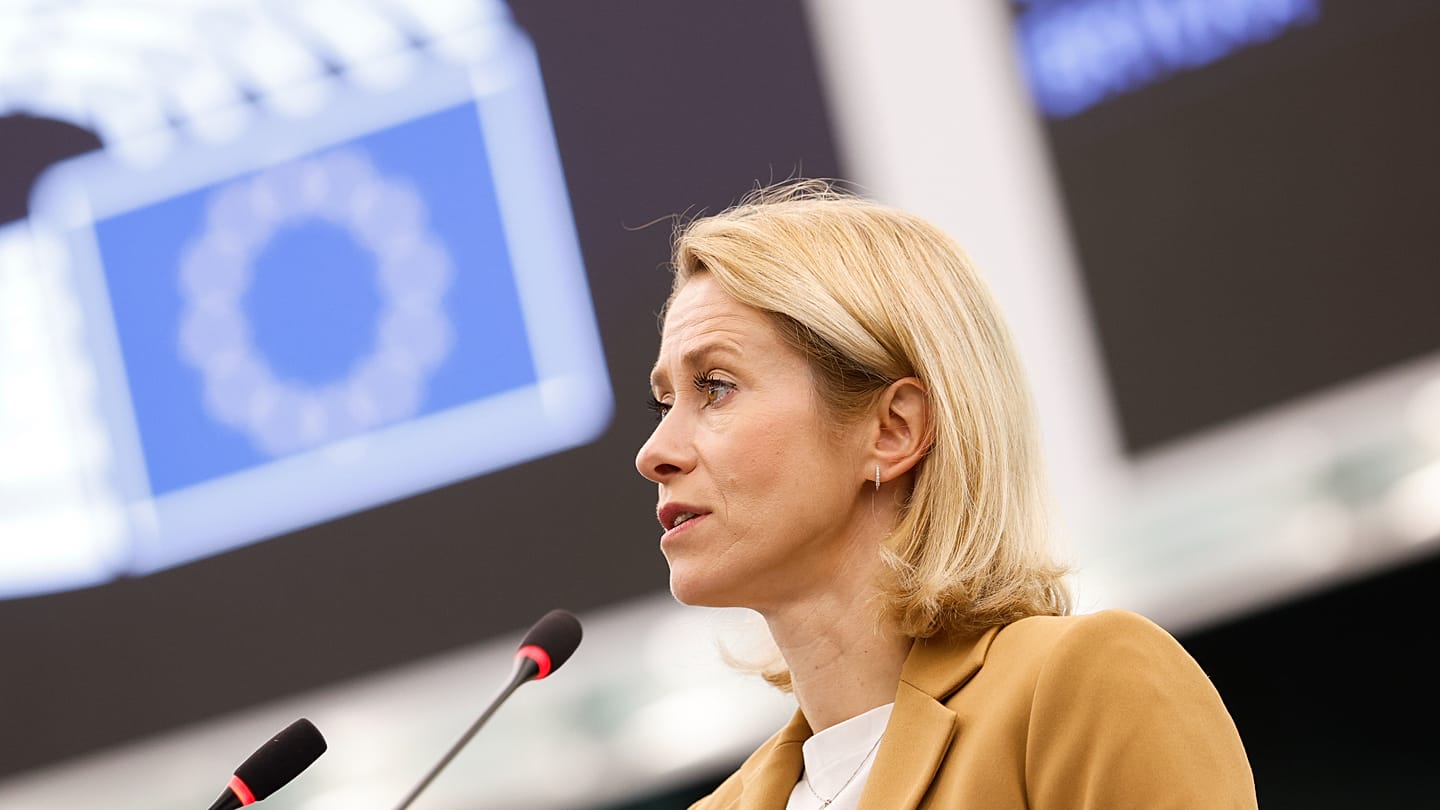
Italy's government has announced a tough response to the weekend's violent protests in Milan and other cities, with Foreign Minister Antonio Tajani pledging to act “with great firmness” and confirming the deployment of 500 troops to the streets of the Lombard capital.
Speaking on the sidelines of the Welfare Italia Forum in Rome on Tuesday, Tajani said the soldiers would be granted judicial police powers, allowing them to carry out arrests and preventive measures. “Five hundred military personnel, who will also be granted judicial police powers, will be deployed to help ensure security and carry out robust preventive measures,” he said.
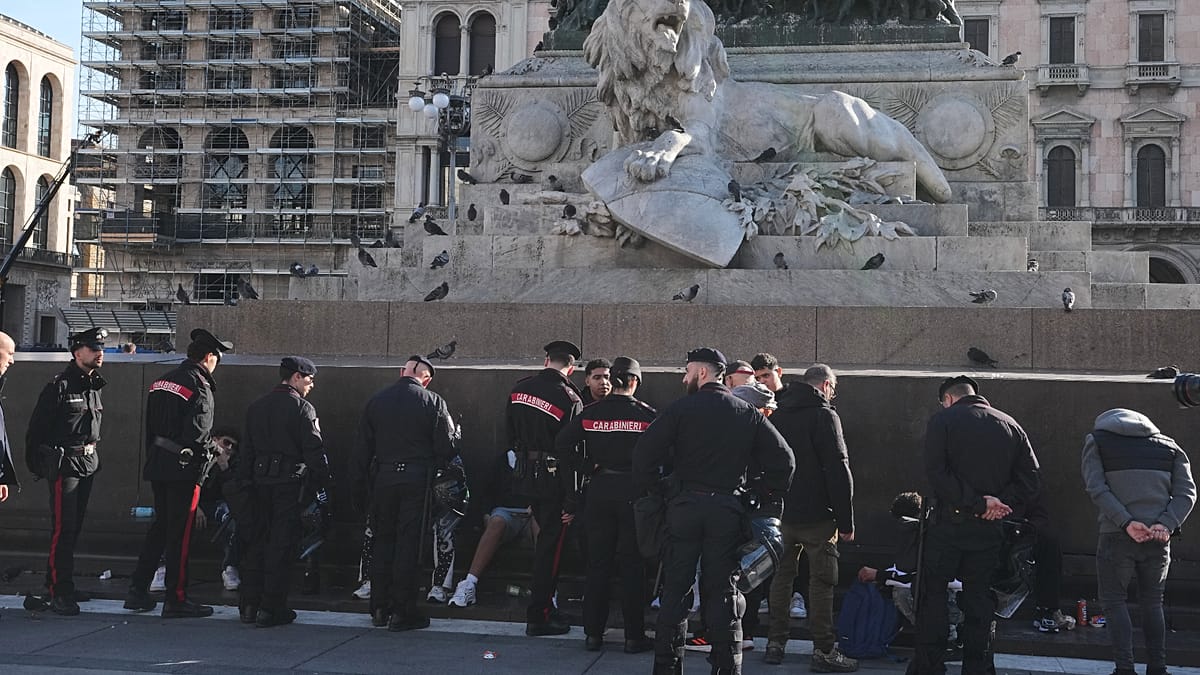
The unrest, which began as cost-of-living demonstrations, escalated into clashes with police and looting in Milan, Turin and Bologna over the weekend. The violence echoed the protests that have gripped France in recent weeks, where shopkeepers have counted the cost of widespread looting. The Italian government is now moving to prevent a similar spiral.
New measures under consideration
Tajani outlined a series of regulatory and legal changes aimed at curbing criminal activity, including measures targeting minors. “Furthermore, a series of regulatory and legal decisions will be introduced to make it more difficult for minors to engage in criminal activity,” he said.
The proposed package includes extending preventive detention from 12 to 24 hours, and applying it to minors where legal conditions are met. Preventive detention is not a conviction but a precautionary measure used when there are concrete grounds to believe someone poses a threat to public order. Its use, especially for minors, must comply with legal safeguards.
Another proposal would create a specific offence of aggravated damage committed by a group, with harsher penalties when several people act together to damage property. A security bill already before the Senate sets out provisions for damage committed by at least five people, with prison sentences of up to five years and fines of up to €15,000. The government could bring forward or revise these provisions in a new decree.
The government is also considering extending deferred arrest – allowing suspects to be arrested later based on evidence such as photographs or video footage – to cases of group damage. The League party is pushing for mandatory arrests for acts of devastation during demonstrations and for deferred arrests to be permitted within 48 hours.
Restrictions on gatherings and juvenile justice
Other measures under consideration include tightening restrictions on gatherings, potentially extending their use beyond political demonstrations to prevent group violence. The measures could target individuals already known to authorities for violence, assaults or property damage, including incidents linked to brawls and the so-called mala movida (rowdy nightlife).
The government is also looking to strengthen the questore's formal warning – a preventive tool issued by public security authorities to people deemed a threat – and to introduce tougher rules on roadblocks and assaults on public officials. Reports suggest the package could include a specific offence relating to criminal association for those who organise or participate in organised violence during protests.
On juvenile justice, coalition members have called for more staff at juvenile courts and additional places in detention facilities to speed up proceedings. Another proposal would tighten administrative penalties for parents whose children are involved in violent incidents, and make it harder for young foreign nationals convicted of serious crimes to obtain Italian citizenship.
The troop deployment will reinforce an existing security operation in Milan, with soldiers guarding key locations and helping maintain order in public areas. The city has already seen over 200 arrests in connection with the unrest.
The government's firm stance comes as Italy grapples with the economic fallout of the cost-of-living crisis, which has also hit other sectors across Europe. The measures are expected to be formalised in a decree in the coming days, with details still to be finalised.