France was shaken over the weekend by some of the most severe civil unrest in recent memory, just six months before voters choose a successor to President Emmanuel Macron. Scenes of burning public buildings and clashes with police were broadcast worldwide, prompting the United States, China, and Germany to issue travel advisories for their citizens in France.
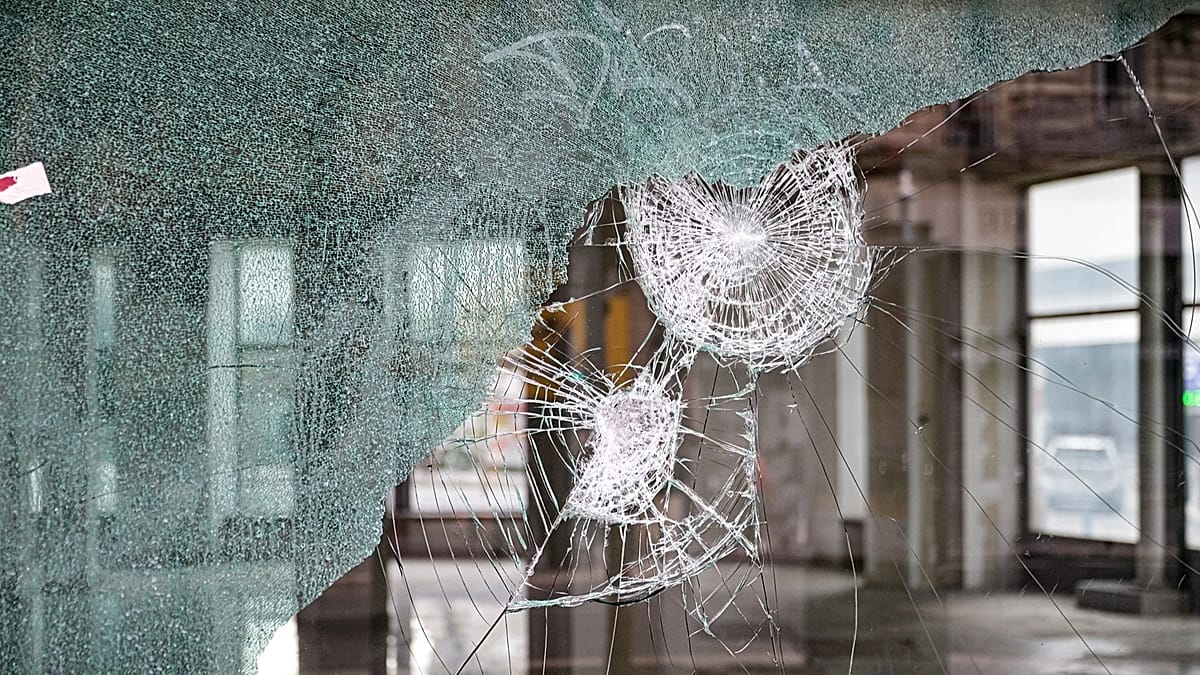
The damage on the ground has been staggering. At least 3,000 shops across the country were vandalised or looted, according to official estimates. In Paris, small business owners are counting the cost of a night of chaos that left many premises gutted.
‘Everything is destroyed’
Odelia, a pharmacist in the French capital, described the scene at her shop in stark terms. “The scale of the damage is immense. Everything is destroyed, everything. I have no stock left, they burned it all,” she told Euronews. “I don't even understand how someone could set on fire the building when there are homes above it.”
Her anger was palpable as she recounted the destruction. “They behaved like animals. They ripped out my water heater. They tore down my light fixtures. Is this how you protest the high cost of living?”
The unrest has drawn comparisons to the wreckage left by earlier protests over pension reform and the yellow vest movement, but the trigger this time appears to be a mix of economic frustration and anger over education policy. Protests have also spread to other European cities, with Milan seeing over 200 arrests in cost-of-living demonstrations, and Tirana experiencing violent clashes as part of a broader regional wave of discontent.
In response, Prime Minister Sébastien Lecornu announced on Tuesday that new curfews would be imposed in areas where needed, adding that measures introduced in several cities the previous day had “helped keep the night calm.” The government has scheduled another series of emergency meetings, including talks with representatives of major social media platforms, to address the spread of calls for violence.
The economic toll is mounting. Beyond the immediate destruction, businesses face lost revenue and insurance claims that could take months to process. For many shopkeepers like Odelia, the future is uncertain. “I don't know how I will reopen,” she said. “I have nothing left.”
The unrest also carries political weight. With presidential elections approaching, Macron’s government is under pressure to restore order while addressing the underlying grievances. Critics argue that the protests reflect a deeper malaise over inequality and the cost of living, a theme that has resonated across Europe. As inflation protests spread across the continent, the EU is weighing its limited role in addressing social unrest.
For now, Parisians are left to survey the damage and wonder what comes next. The government’s curfews may calm the streets temporarily, but the anger that fueled the riots shows no sign of abating.