Albanian Prime Minister Edi Rama on Tuesday attributed the wave of violent protests sweeping the country to a "hybrid war" waged by foreign actors, even as he acknowledged that the unrest is rooted in real public discontent. The demonstrations, which have convulsed the capital Tirana for over a week, have brought tens of thousands onto the streets, with clashes between protesters and police leaving hundreds injured.
Speaking during a live broadcast from the education ministry, Rama reiterated his earlier accusations that external forces are fuelling the violence, pointing to what he described as coordinated disinformation campaigns. "This has now been recognised and is becoming a major issue across Europe," he said. "It is a hybrid war that gains traction precisely because it is rooted in genuine grievances, not mere fantasy."
The protests, which began over a controversial resort development in an ecologically protected area linked to US President Donald Trump's family, have since expanded into a broader movement demanding Rama's resignation. Demonstrators have also voiced anger over corruption, rising living costs, and housing affordability, as well as concerns about the future for young Albanians.
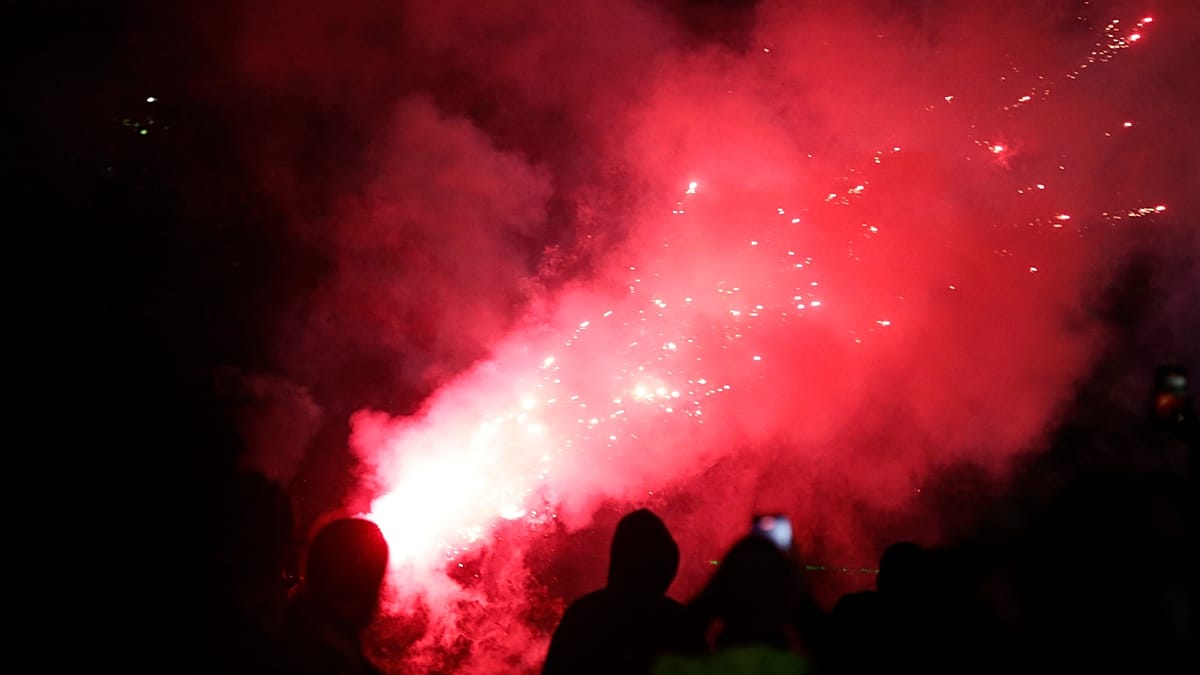
Over the past week, police have repeatedly used water cannon, tear gas, and rubber bullets to disperse crowds that have targeted government buildings and smashed shops across the capital. Protesters have responded with stones, petrol bombs, and fireworks. According to authorities, around 300 people have been injured, more than half of them police officers.
The education ministry has become a focal point of the unrest, with its building sustaining significant damage. On Tuesday morning, hundreds of university professors marched in solidarity with the students, carrying a banner reading "Stop violence against students" and calling for Rama to step down. High school students have also joined the demonstrations, prompting criticism from police and officials over the involvement of minors.
Rama hinted at potential new measures to address the crisis, including a possible ban on social media for children under 16 and changes to the age of criminal responsibility. These proposals come as the government seeks to respond to the protests while maintaining order.
A regional pattern of unrest
The situation in Albania echoes broader tensions across Europe, where inflation protests have spread in recent months, testing governments from Paris to Milan. In France, President Emmanuel Macron has faced violent unrest, while Milan saw over 200 arrests during cost-of-living demonstrations. The European Union has been weighing its limited role in addressing these social pressures, which often stem from economic inequality and political disillusionment.
Rama's reference to a "hybrid war" aligns with a growing narrative among some European leaders who see foreign interference in domestic affairs. However, critics argue that blaming external actors risks deflecting from the government's own record. The prime minister has previously accused both Russia and Iran of driving online misinformation, though he has not provided concrete evidence.
As the protests enter their second week, the situation remains tense. The government has vowed to restore order, while opposition leaders and civil society groups are calling for dialogue. Rama, however, has defied calls to resign, insisting that he will not bow to what he terms "violent pressure."
The coming days will be crucial in determining whether Albania can navigate this crisis without further escalation. For many in the region, the unrest is a stark reminder of the fragility of democratic institutions when public trust erodes and economic anxieties mount.