Euro-area inflation climbed to 3.8% in September, up from 3.2% in August, according to Eurostat's flash estimate. The main driver is energy, with prices soaring 18.8% year on year. The highest national rates were recorded in Lithuania (6.1%), Bulgaria (5.6%), and Spain (5%).
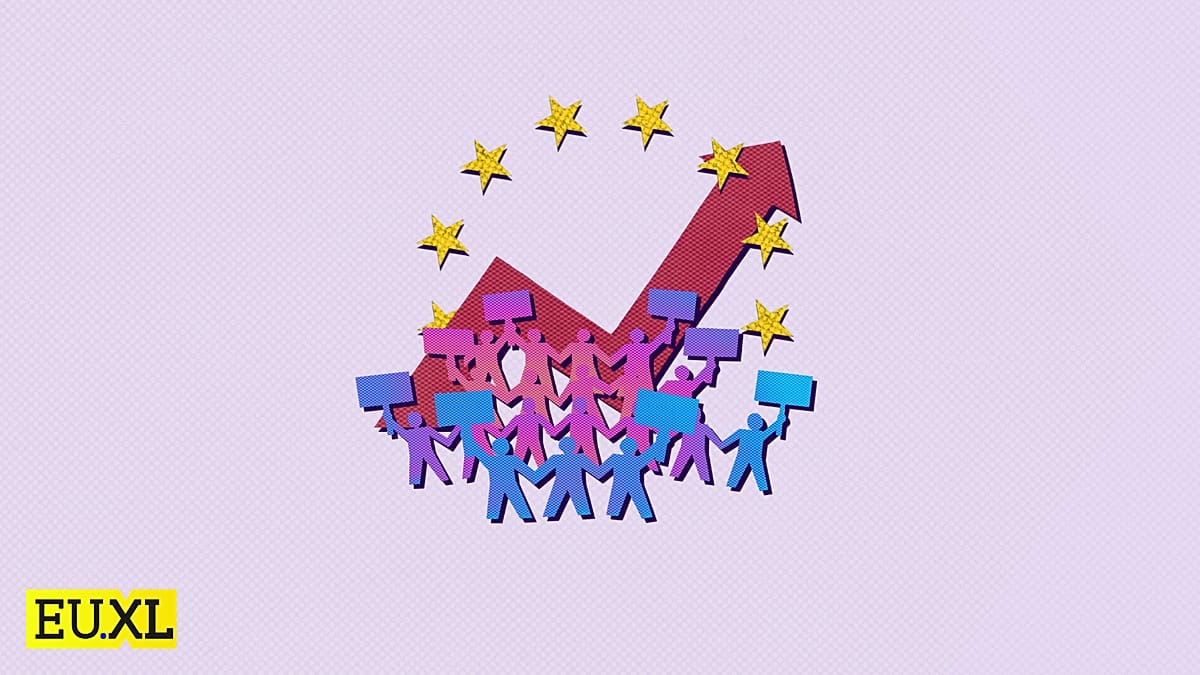
The squeeze is being felt acutely across the continent. In Brussels and Paris, trade unions have taken to the streets, while students have camped outside Greece's parliament in Athens. In Portugal, thousands rallied in Lisbon and Porto over rising rents. In Spain, Prime Minister Pedro Sánchez called a snap election for November 29 after Congress rejected two housing decrees, reflecting the political fallout.
Brussels is trying to present a coordinated response. The European Commission is urging member states to use targeted aid rather than blanket subsidies, and it is coordinating the release of oil stocks to ease pressure on prices. This comes after governments collectively spent €17.9 billion this year cushioning energy bills for households and businesses.
What can the EU actually do?
The EU's toolbox is limited. It does not set prices, rents, or tuition fees—those are national competences. The bloc can issue recommendations, coordinate energy policy, and use its competition rules to prevent market abuse, but the real levers of fiscal and social policy remain in the hands of national governments.
That reality is creating a growing gap between public expectations and what Brussels can deliver. As autumn protests spread, the pressure on national leaders is mounting. In France, President Emmanuel Macron has faced repeated demonstrations over fuel costs, while in Germany, the coalition government is struggling to agree on a relief package that satisfies both fiscal hawks and social advocates.
The European Central Bank (ECB) has responded by raising interest rates, but that is a blunt instrument. Higher rates may cool demand, but they also increase borrowing costs for households and governments, potentially deepening the pain. The ECB's mandate is price stability, not social welfare, and its tools cannot directly address the structural issues driving energy costs.
Some analysts argue that the EU could do more by accelerating the transition to renewable energy. Solar installations on driveways and patios are already gaining ground as Europeans seek energy independence, but the pace is slow. A more aggressive push could reduce reliance on imported fossil fuels and insulate consumers from global price shocks.
Yet the immediate crisis is about relief, not long-term strategy. The EU's recommendation to target aid to the most vulnerable is sensible, but it is up to national governments to design and implement such measures. In many countries, the administrative capacity to deliver targeted support is limited, and there is a risk that aid will be slow to reach those who need it most.
The protests are a reminder that inflation is not just an economic statistic; it is a political challenge. The wage-price squeeze is fueling anger across the bloc, and governments are being held accountable. In Spain, the snap election is a direct consequence of the housing crisis, while in Portugal, the rent protests have forced the government to consider new measures.
Can the EU help? The honest answer is: only indirectly. By coordinating energy policy, pushing for renewable investment, and urging fiscal responsibility, Brussels can create the conditions for stability. But the direct levers of relief—subsidies, rent controls, tax cuts—are in the hands of national capitals. The EU can advise, but it cannot deliver.
As the protests continue, the pressure on national governments will only intensify. The EU's role may be to remind them that they are not alone, but that they must act. The question is whether they will listen.