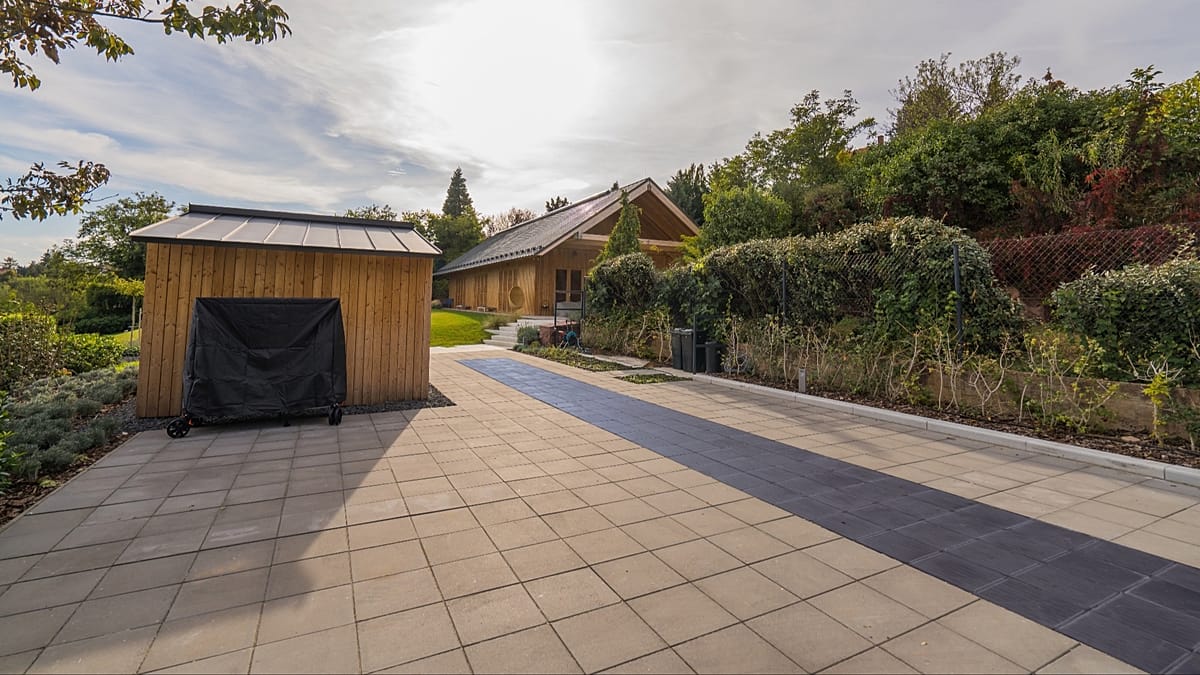
Across Europe, homeowners are turning their driveways, patios, and even balconies into miniature power stations. This shift is part of a broader movement to harness every available sunny surface, reducing reliance on fossil fuels and cushioning the impact of volatile energy prices.
The recent conflict in the Middle East, particularly the war on Iran and the subsequent disruption of shipping through the Strait of Hormuz, has sent oil and gas prices soaring. According to Solar Power Europe, solar energy has saved the EU an estimated €40 billion in avoided gas imports since the conflict began. Yet, electricity and gas bills remain high across the continent, prompting households to take matters into their own hands.
In Germany, renewable energy firm Enpal BV saw a 30% increase in solar panel inquiries in the weeks following the start of the US-Israel war against Iran. Similarly, UK energy company EON reported a 23% spike in solar interest between 23 February and 1 March, followed by a further 63% surge in the subsequent week.
From rooftops to driveways
While rooftop solar panels remain the backbone of home-grown energy, not every home has a suitable roof. Shaded roofs or those made from materials like thatch can make traditional installations impractical. This has opened the door to innovative alternatives that integrate solar technology into other parts of the home.
PLATIO, a start-up that first unveiled prototypes in 2016, now sells solar panels designed specifically for decking and patios. The company operates in 13 European countries and aims to replace paving stones and asphalt in urban spaces, parks, and homes with solar technology. In 2018, PLATIO installed a nine-square-metre system on a driveway in Kecsmét, Hungary. The 1.7 kWp system can theoretically power base loads such as a fridge, LED lighting, and small kitchen appliances. In 2021, the company fitted a larger 6.64 kWp system in the courtyard of a six-flat apartment building near Frankfurt, Germany, which can cover the annual electricity needs of a typical three-bedroom home under optimal conditions.
UK-based SolarPave also specialises in transforming outdoor spaces. The company has completed three projects in Yorkshire, including a residential solar driveway and a balcony floor.
How solar driveways work
These systems use toughened, anti-slip glass to protect the solar panels, allowing people to walk or even park on them. While dirt can reduce efficiency, PLATIO says performance loss from dusty panels is as little as three percent, depending on the installation.
However, solar panels placed horizontally on the ground generate less electricity than those angled on rooftops, as they miss the sun's direct rays for much of the day. Despite this, they can still produce enough energy to help lower bills, though the payback period varies.
“People are choosing solar because it puts them back in control,” says Sonia Dunlop, CEO of the Global Solar Council. “After years of volatile energy bills, households in Europe and across the world want to take energy into their own hands and solar is one of the most affordable ways to do that.”
Dunlop adds that as prices have fallen and designs have become more versatile, driveways, patios, fences, and car parks are becoming part of the picture. This trend is not limited to private homes; public spaces are also being considered. For instance, a public pathway in the Netherlands has been made out of solar panels.
The movement aligns with broader efforts to integrate solar into everyday infrastructure, such as agrivoltaics, which combines farming and solar generation. While solar driveways may not be the most efficient use of panels, they offer a practical solution for those with unsuitable roofs.
As Europe continues to grapple with energy security and climate goals, the drive to put every sunny surface to work is likely to accelerate. The continent's energy system is becoming more decentralised, with citizens playing an active role in the transition.