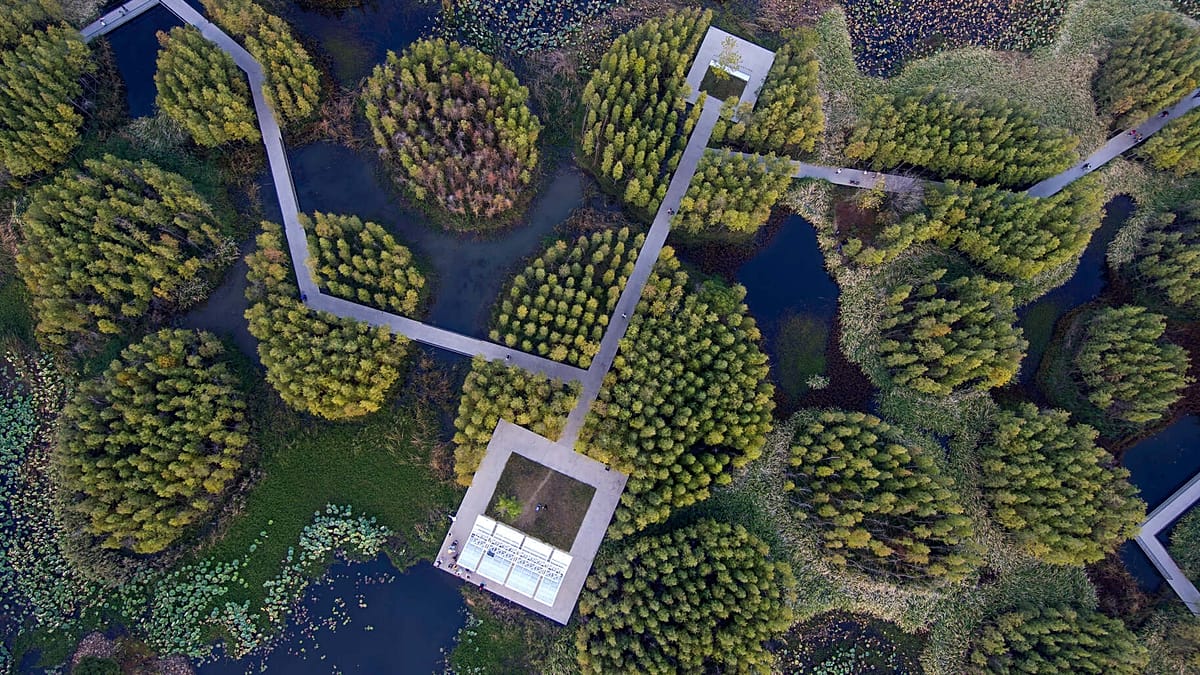
Europe's cities are caught between two extremes: torrential downpours that overwhelm drainage systems and prolonged dry spells that strain water supplies. In response, a growing number of urban planners are turning to the 'sponge city' concept—a nature-based approach that treats rain not as waste to be flushed away, but as a resource to be captured and used.
The idea, first developed in China two decades ago, involves retrofitting urban areas with green spaces, permeable pavements, and storage basins. These features slow down runoff, reduce flood peaks, and allow water to seep into the ground or be stored for later use. The result is a city that acts like a sponge—soaking up excess water when it rains and releasing it during dry periods.
"One of the most impactful ways cities can adapt is by reversing a century of urban design that treated rainfall as waste rather than as a valuable resource," says Justin Abbott, Europe water leader at engineering consultancy Arup.
From Beijing to the Baltic
The sponge city model was pioneered by Chinese landscape architect Kongjian Yu in the early 2000s. He proposed using ponds, wetlands, and planted drainage channels to intercept rainfall before it rushed into sewers and rivers. His ideas gained traction after catastrophic floods killed 79 people in Beijing in 2012, leading to national guidelines and a pilot programme covering 30 cities by 2016. China now aims for 80 per cent of its urban areas to function as sponge cities by 2030.
Europe has been experimenting with similar ideas for decades. In Malmö, Sweden, the Augustenborg neighbourhood was transformed between 1998 and 2002 with green roofs, wetlands, and retention ponds. During major storms in 2007 and 2014, it suffered far less flood damage than surrounding areas.
Rotterdam's Benthemplein water square, opened in 2013, doubles as a basketball court in dry weather but can hold up to 1.7 million litres of stormwater in its three basins. Copenhagen's Tåsinge Plads, completed a year later, collects rooftop runoff using underground storage and rain gardens.
The European Commission wants to scale up such projects. Its 2025 Water Resilience Strategy called for more sponge cities and wetland restoration, and the bloc is now developing a 'Sponge Facility' to help finance and implement them.
Challenges and limits
Retrofitting historic city centres is not easy. Protected buildings, narrow streets, and buried utilities make it difficult to dig up pavements or install large-scale water features. But Abbott argues that these obstacles should not lead to inaction. "These challenges should encourage better targeting, not inaction," he says, pointing to smaller interventions like removing courtyard paving, planting trees, and installing green roofs.
Even the greenest city can only absorb so much rain. During extreme storms, soil becomes saturated and storage systems fill up, leaving excess water nowhere to go. The catastrophic floods around Valencia in 2024 showed what happens when rainfall overwhelms defences.
"Sponge measures are powerful, but they cannot address every challenge independently," Abbott explains. Cities still need conventional drainage, larger reservoirs, and designated flood routes to carry water away when nature-based systems reach capacity.
Managing rainfall is not just an engineering problem. Abbott stresses that city authorities, water utilities, developers, and landowners all share responsibility. Decisions made by one entity can affect entire neighbourhoods, so coordinated action is essential.
As Europe's climate becomes more volatile, sponge cities offer a practical way to build resilience. They won't solve every problem, but they turn a recurring threat into a valuable asset—one rainy day at a time.