From the cobbled streets of Lyon to the avenues of Brussels, a wave of demonstrations swept across Europe this weekend, driven by a common grievance: the gap between what people earn and what they must spend. While each country's protesters carried their own specific demands, the underlying frustration was strikingly similar—wages that lag behind the cost of essentials, housing that eats up ever larger shares of income, and public services that feel increasingly stretched.
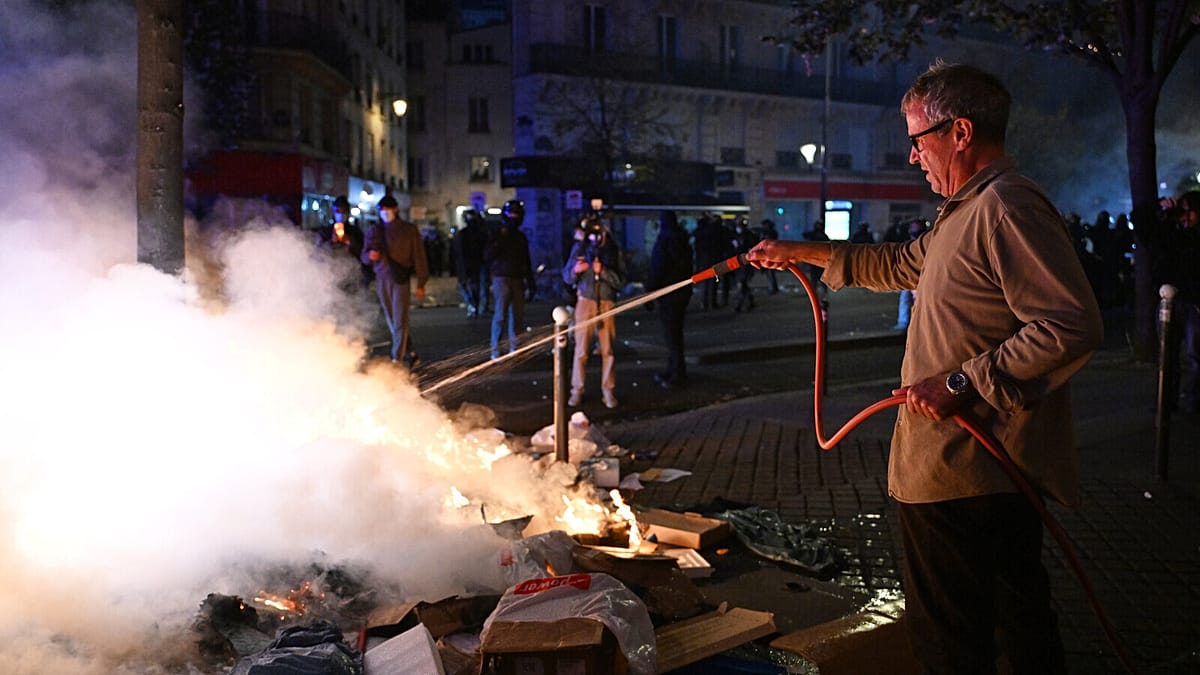
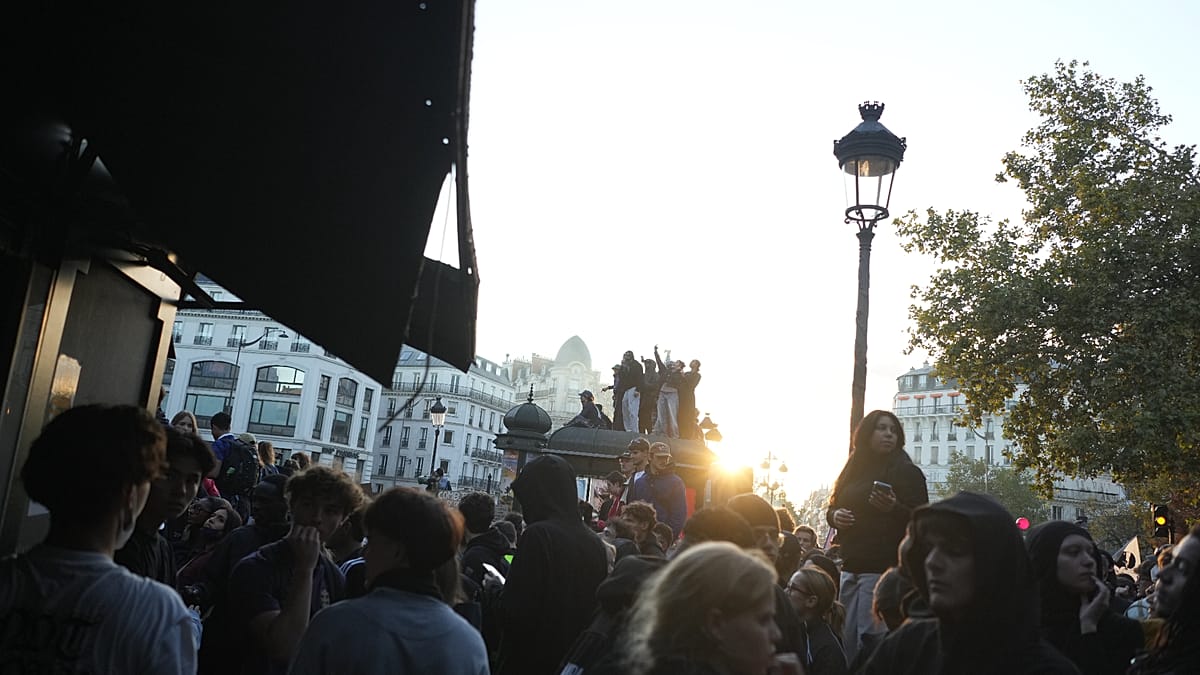
In France, the scale of the protests was massive. Estimates from Euronews put the number of marchers between 550,000 and 800,000 nationwide. Students, trade unionists, and civil society groups joined forces to voice anger over living costs and the state of public services. Most demonstrations remained peaceful, but in several cities, the day descended into chaos. In Limoges, the city hall was set ablaze, and in Lyon, the iconic tourist office on Place Bellecour was torched. Vandals forced their way into municipal buildings in Marseille, Lille, and Angers, while in Bordeaux, the prefect's residence was ransacked.
The violence drew sharp rebukes from political leaders. Guillaume Guérin, the mayor of Limoges, said: "Protesting is a right, and anger deserves to be heard. Yet, no disagreement or grievance can ever justify the destruction of public property." He called the violence "unacceptable." The sentiment was echoed in Belgium, where Interior Minister Bernard Quintin described the clashes in Brussels and Liège as "pure and simple violence," adding that the situation was "no longer simply a protest."
Belgium saw its own confrontations between police and demonstrators during cost-of-living protests. High-school students had also taken to the streets in recent weeks, protesting the rising cost of education—a theme that resonated with French students demonstrating over school conditions and teacher shortages.
In Portugal, trade unions and housing-rights groups organized rallies demanding higher wages, better pensions, improved public services, and concrete action on housing affordability. Organizers pointed to soaring rents, climbing mortgage costs, and the rising price of everyday goods as mounting pressures on household budgets. Italy also witnessed significant unrest, with clashes in Milan, Turin, and Bologna leaving several people injured and dozens detained in Milan.
Why are Europeans angry?
The roots of this discontent are economic. Over the past few years, food, housing, and energy costs have risen sharply, leaving many households struggling to make their incomes stretch further. Even as inflation rates moderate, prices remain at elevated levels, meaning consumers continue to feel the pinch. The cumulative effect is a persistent erosion of purchasing power.
Housing is a particularly acute problem in many cities, especially for renters and younger people. Low-paid workers face the dual pressure of high rents and essential expenses, while concerns over education and other public services add to the sense of insecurity. Eurostat data analyzed by Euronews Business shows that EU food and non-alcoholic beverage prices rose by 34% between August 2021 and August 2026. The amount of food a gross monthly minimum wage could buy fell by 6% in Malta, 5% in Spain, and 4% in France, while it increased in most other countries studied. However, this comparison excludes taxes, rent, and other household expenses, so it does not capture the full cost-of-living squeeze.
The protests do not represent a single Europe-wide movement, and their demands differ from country to country. But they underscore a shared challenge: ensuring that wages keep pace with the cost of essentials. As the affordability crisis deepens across the EU, the pressure on household finances is becoming a defining political issue.
In France, the aftermath of the weekend's violence is being assessed. Damage assessments are underway in Paris, Lyon, and Marseille, with authorities counting the cost of burned buildings and looted shops. The destruction of the historic Limoges town hall has become a symbol of the unrest, prompting questions about how to balance the right to protest with the need to protect public property.
Belgium is also grappling with the fallout. Clashes in Brussels and Liège have raised concerns about the escalation of protest tactics. Meanwhile, in Italy, the violence in Milan and other cities has led to arrests and injuries, adding to the sense of unease.
As European leaders ponder their response, the underlying economic grievances remain unresolved. The challenge is not merely to restore order but to address the structural issues that fuel such anger—stagnant wages, unaffordable housing, and underfunded public services. Until those are tackled, the streets of Europe may continue to see protests, peaceful or otherwise.