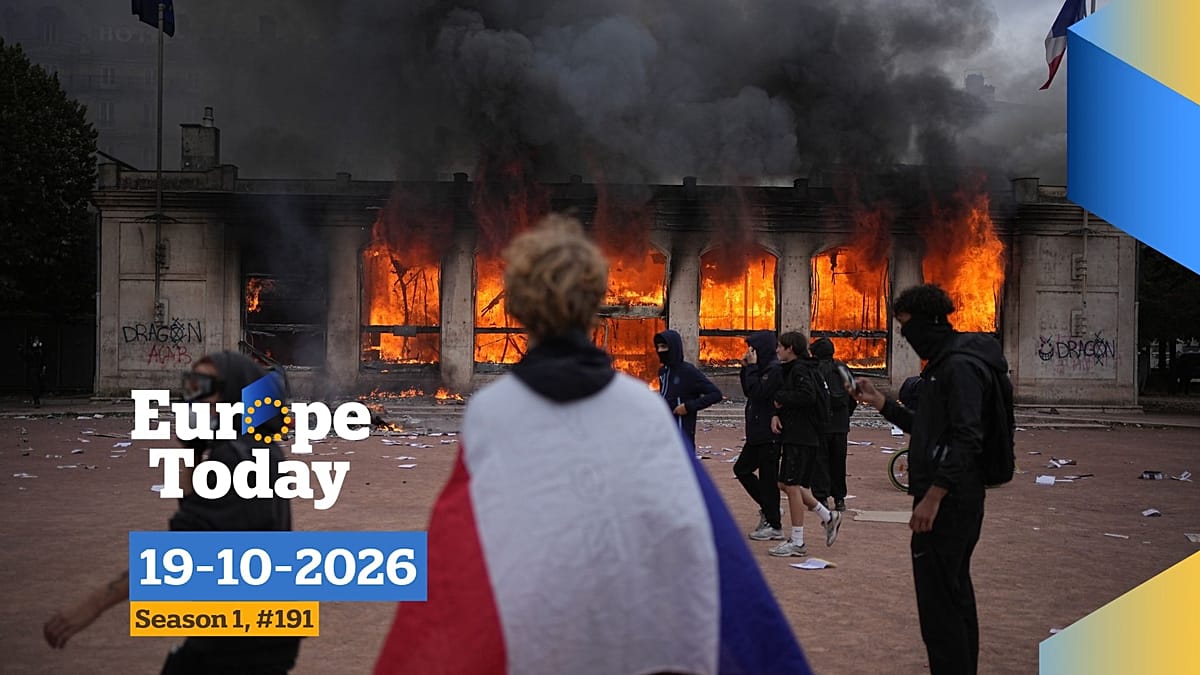
France is counting the cost of a weekend of violence that left cities from Paris to Marseille scarred by arson, looting, and clashes with police. What began as protests over the rising cost of living was hijacked by radical elements, turning demonstrations into scenes more reminiscent of a conflict zone than a European capital.
Valerie Gauriat, reporting from Paris for European Pulse, described the destruction as comparable to the war zones she usually covers. Shop fronts smashed, cars torched, and barricades burning — the images were stark. President Emmanuel Macron, in a televised address, vowed that all those responsible would be caught and brought to justice. The government insists it has regained control, but the question of the final financial toll remains open, with estimates already running into hundreds of millions of euros.
Europe's cost-of-living unrest spreads
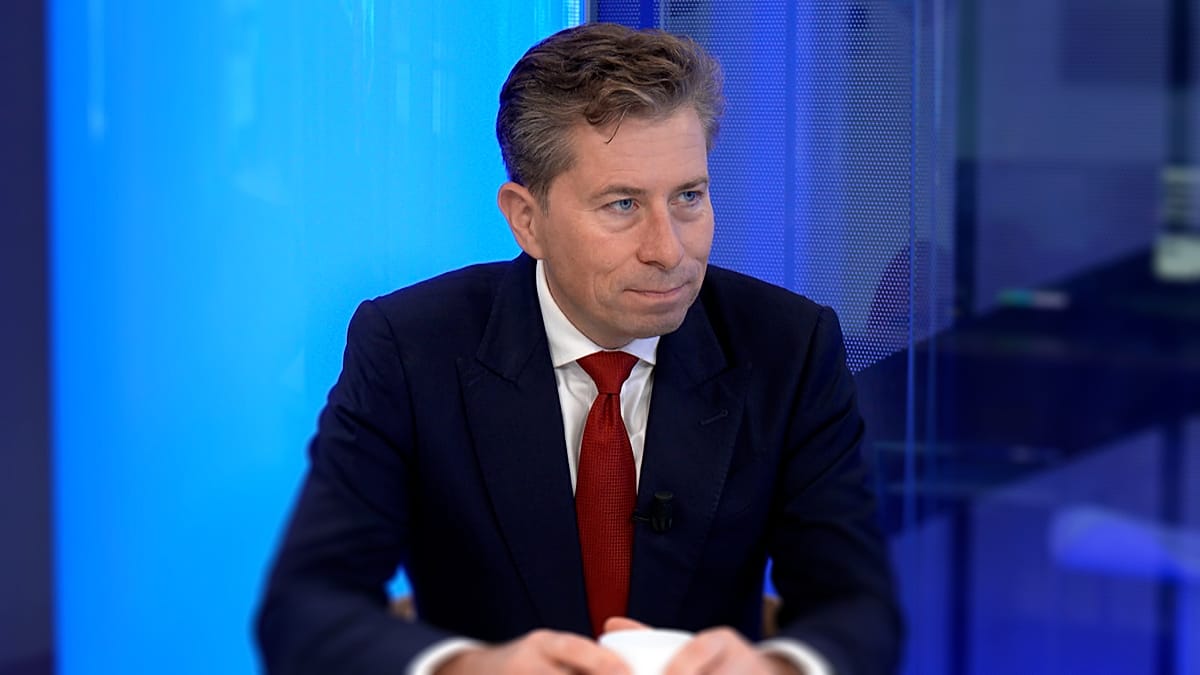
The unrest in France is not an isolated phenomenon. Alberto Alemanno, professor of EU law at HEC Paris, points to a wave of cost-of-living and housing protests sweeping across the continent, from Albania to Portugal and Italy. In Portugal, housing costs have sparked demonstrations in Lisbon and Porto; in Italy, inflation is fueling anger in cities like Naples and Milan. The common thread is a squeeze on household budgets that shows no sign of easing, and Alemanno warns these movements could persist as long as the underlying economic pressures remain.
In France, the government faces a delicate balancing act: restoring order while addressing the legitimate grievances that brought people to the streets. The damage tally is still being compiled, but the political fallout may be even more significant.
Ukraine strikes deep into Russia
Meanwhile, the war in Ukraine took another dramatic turn. Ukrainian drones struck St Petersburg and the surrounding Leningrad region in a large-scale attack, hitting an oil terminal and a data centre, according to Russian officials. Reports also suggest a bridge was targeted. The strike, which ignited fires across the city, marks one of the deepest penetrations of Russian territory since the war began.
The attack comes as former President Donald Trump pushes for an energy ceasefire, a proposal that Kyiv views with skepticism. Sasha Vakulina, reporting for European Pulse, spoke exclusively to Katarina Mathernova, the EU's Ambassador to Ukraine. Mathernova stressed that Ukraine's strikes are a legitimate response to Russia's ongoing bombardment of Ukrainian cities and infrastructure. She called for continued European support, warning that any pause in aid would only prolong the conflict.
The EU's role is under scrutiny, particularly as debates over the bloc's 2028–2034 budget intensify. The question of how to finance development, humanitarian aid, and geopolitical priorities is already causing friction among member states, as budget deadlock and migration rifts threaten to overshadow the bloc's commitments.
UN warns on aid worker deaths
In Brussels, UN aid chief Tom Fletcher delivered a sobering message: more than 1,000 aid workers have been killed in the past three years, and the number is rising. Speaking at an EU conference on the protection of humanitarian aid workers, Fletcher warned that the international community is failing to keep those who risk their lives to help others safe. He called for greater accountability and for the EU to prioritize humanitarian principles in its budget negotiations.
The conference highlighted a growing tension: as geopolitical pressures mount, some member states are pushing to link aid funding to migration control and security interests, a move that humanitarian organizations argue undermines the neutrality of aid. The outcome of these budget talks will shape Europe's role in global crises for years to come.
For now, France's immediate challenge is to heal the wounds of a violent weekend. But the deeper issues — inequality, housing affordability, and the cost of living — remain unresolved, not just in France but across Europe. As the continent watches, the question is whether governments can address these grievances before they explode again.