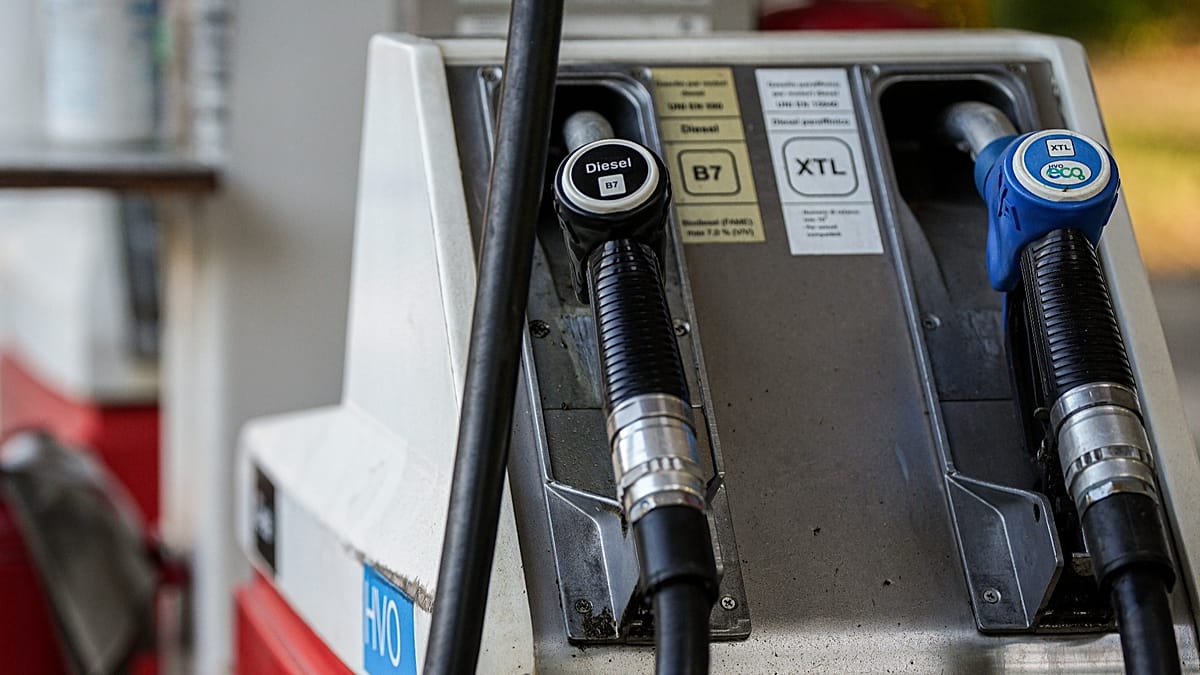
Inflation across the euro area accelerated to 3.8% in September, according to fresh estimates from the European Central Bank (ECB), up from 3.2% in August. The rise is largely attributed to a sharp increase in energy prices, which jumped 18.8% year-on-year, as the conflict in the Middle East disrupted liquefied natural gas production and sent global energy markets into turmoil.
The figures vary significantly across the 20-nation currency bloc. Lithuania recorded the highest annual inflation at 6.1%, followed by Bulgaria at 5.6%, while Luxembourg and Cyprus both saw 5.2%. At the other end of the scale, Malta registered the lowest increase at 2.4%. These disparities highlight the uneven impact of the cost-of-living crisis on different European economies.
Energy shock ripples through the economy
The energy shock is not confined to household bills. Energy-intensive industries, including manufacturing, chemicals, and agriculture, are facing soaring production costs. Even sectors less directly tied to energy, such as food processing and pharmaceuticals, are feeling the pinch through higher operational and supply-chain expenses. Companies are passing these increases on to consumers, pushing up the overall price of goods and deepening the continent's cost-of-living crisis.
In response, the European Union has proposed a package of measures, including the AccelerateEU initiative, aimed at bolstering energy resilience. Individual member states have also introduced targeted relief, such as electricity price caps, energy vouchers, and reduced fuel excise duties. However, these measures have not been enough to quell public discontent.
Daily essentials—food, alcohol, and tobacco—saw inflation of 1.4% in September. Service inflation, covering healthcare, education, and transport, rose to 3.2%, while industrial goods inflation reached 1.1%, according to the ECB. These figures may seem modest compared to energy, but they add to the cumulative pressure on household budgets.
Housing costs fuel protests
The housing market is also feeling the heat. Eurostat reports that house prices rose by 5.1% and rents by 3% in the first quarter of 2026 compared with the same period a year earlier. This has sparked protests across Europe, from Portugal's housing protests to France's cost-of-living demonstrations, which have at times turned violent.
In Italy and Greece, governments have appealed to Brussels for more fiscal flexibility to help families and businesses cope with surging prices, but the European Commission has so far rebuffed these requests. The tension between national relief efforts and EU fiscal rules is likely to remain a flashpoint in the coming months.
As the bloc grapples with these challenges, some are looking to longer-term solutions. Solar driveways and patios are gaining popularity as Europeans seek greater energy independence, while EU leaders are pushing for a joint response to the energy price surge. Yet the immediate pain is being felt in every corner of the economy, from the factory floor to the family kitchen.
The ECB's next policy meeting will be closely watched for any signals on interest rates, as policymakers weigh the need to curb inflation against the risk of stifling growth. For now, Europeans are left to navigate a landscape where the cost of living keeps climbing, and relief seems a distant prospect.