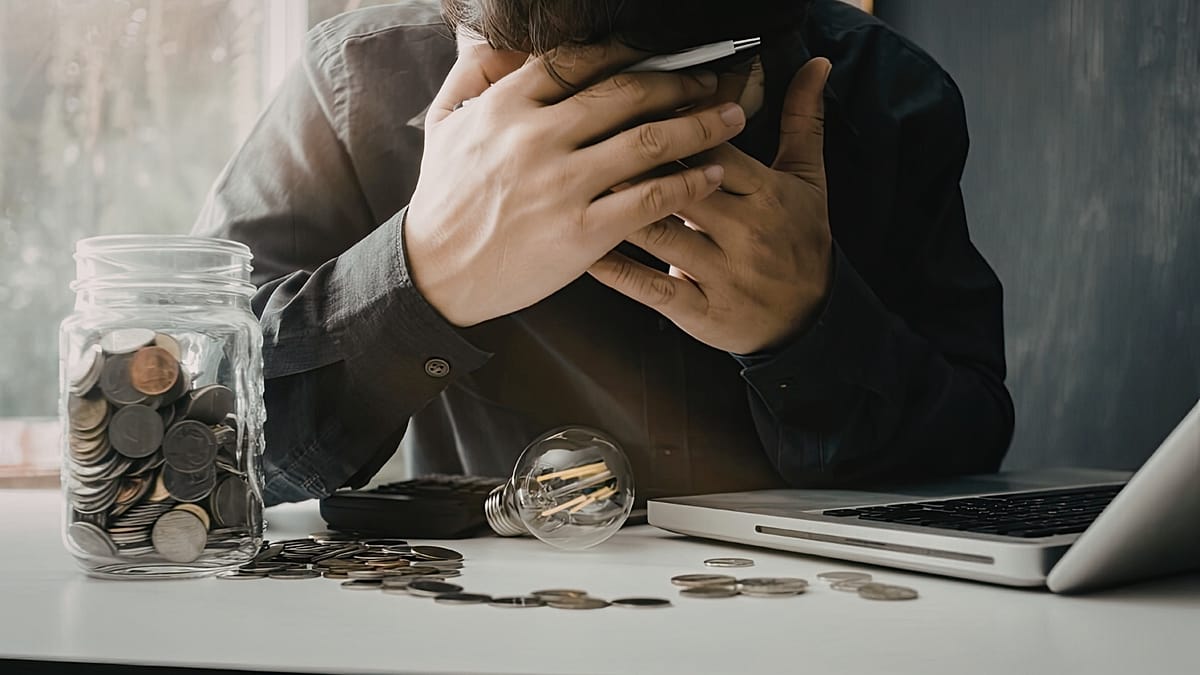
From Lisbon to Leipzig, the cost of living has become the defining economic issue of the year. Eurostat figures show eurozone inflation hit 3.8% in September, nearly double the European Central Bank's 2% target. Energy prices have been the main driver, jumping 18.8% in the twelve months to September.
The squeeze is visible across every major spending category. At supermarket checkouts, a European Central Bank analysis found that 35% of EU consumers worry about affording food, while 74% have noticed products shrinking in size without a corresponding drop in price—a phenomenon often dubbed 'shrinkflation'.
Housing and energy: the twin pressures
Soaring energy bills are leaving millions of households across the continent struggling to keep their homes warm. In countries like Italy and France, cost-of-living protests have turned violent, reflecting the depth of public anger. Meanwhile, rising construction costs and persistent housing shortages continue to push rents and property prices upward. In Portugal alone, house prices rose 16.5% in a year, pricing many young families out of the market.
The EU has responded with a series of proposals, including the Affordable Energy Action Plan and the Citizens' Energy Package. The €86.7 billion Social Climate Fund is designed to reduce energy costs and support vulnerable households. However, much of this response focuses on long-term structural reforms, while the immediate price shocks are already hitting consumers hard.
Education under strain
Education is another sector feeling the pinch. Schools face rising operating costs, and families must cover books, transport, and supplies. According to Eurostat, education's share of EU public spending fell to 9.7% in 2024, down from 10% in 2019. This decline comes at a time when many households are cutting back on non-essential spending, and some are even skipping meals to make ends meet.
The European Commission has also presented its European Affordable Housing Plan and proposed an Affordable Housing Act in September, alongside its first Anti-Poverty Strategy. These initiatives aim to tackle the root causes of housing unaffordability and social exclusion, but their impact will take years to materialise.
In the meantime, the human cost is visible in cities like Milan and Paris, where protests have led to arrests and property damage. The wage-price squeeze is a central grievance: while inflation erodes purchasing power, nominal wages have not kept pace in many sectors.
Some Europeans are seeking individual solutions. Solar driveways and patios are gaining ground as households try to reduce their dependence on volatile energy markets. But such investments require upfront capital, which many families simply do not have.
The question remains: can the EU act quickly enough to ease the burden on consumers? The bloc's toolbox is expanding, but the gap between policy announcements and tangible relief is widening. As the winter months approach, pressure on governments in Berlin, Paris, and Rome will only intensify.
For now, the European project faces a test of its ability to deliver concrete improvements to everyday life. The next few months will show whether the Union's long-term vision can translate into short-term relief for the millions of Europeans who are struggling to pay their bills.