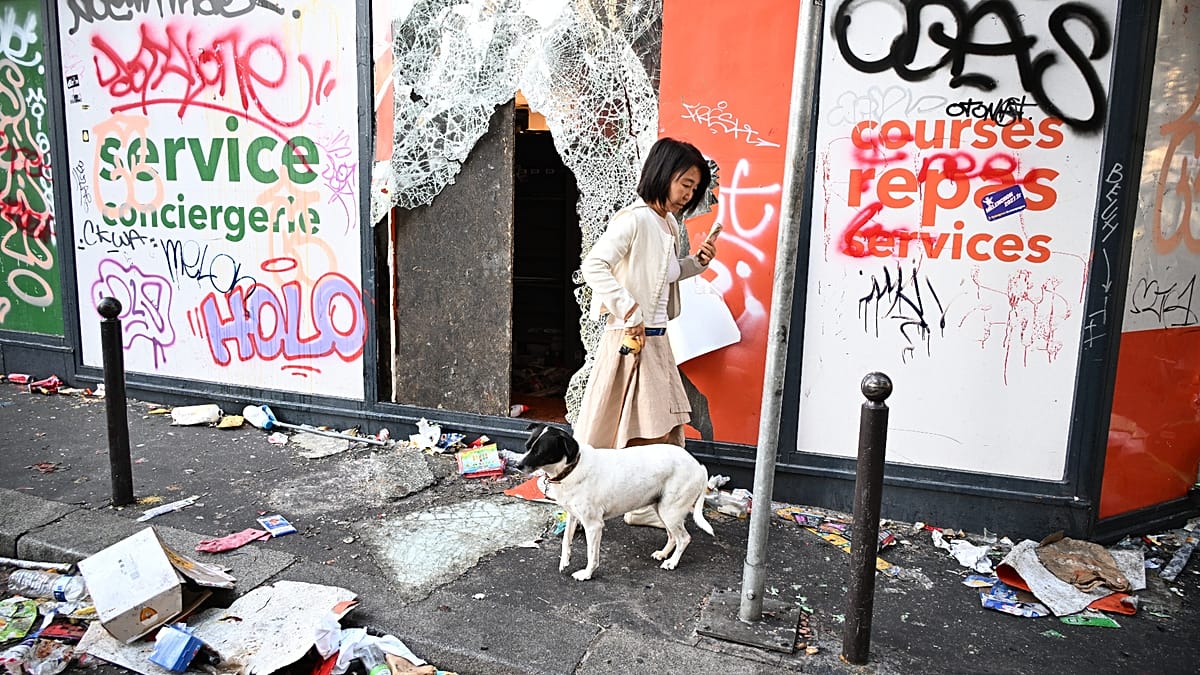
Parisians woke on Monday to a cityscape of shattered glass and boarded-up storefronts after weekend protests over rising living costs and poor school conditions descended into clashes and looting. Around the Place de la République, the damage was unmistakable: broken shop windows, debris-strewn pavements, and bus shelters left mangled. Similar scenes were reported in other shopping and tourist districts across the capital.
A city in shock
For many long-time residents, the sight was deeply unsettling. A 74-year-old Parisian, who gave only his first name, Jean, stood near the square and described his reaction. “I was really scared. I’ve been a Parisian since I was born, so when I got here, it almost made me want to cry because I find it so bad, it hurts me,” he said. He acknowledged that the young people had been demonstrating joyfully, but the violence had frightened him.
A woman who had tried to join the protest recounted her experience: “I tried to access the protest, but I was immediately tear-gassed.” Her account underscores the tense atmosphere that enveloped parts of the city over the weekend.
The unrest was not confined to Paris. Similar cost-of-living protests turned violent in other French cities, including Lyon and Marseille, leaving authorities to tally the cost of the damage. The government now faces a political blame game, with opposition parties accusing the executive of failing to address the underlying grievances.
Legitimate grievances, violent fringe
Several residents were careful to distinguish between the protesters’ demands and the actions of a violent minority. A young Parisian told reporters that troublemakers had undermined a legitimate protest movement through vandalism and looting. This sentiment was echoed by others who expressed sympathy for the cause but condemned the destruction.
The protests were sparked by a combination of factors: soaring inflation, stagnant wages, and chronic underfunding of the education system. Teachers and parents had joined the demonstrations to demand better school conditions, but the presence of more radical elements turned the marches into confrontations with police.
Across Europe, similar cost-of-living protests have erupted, from Milan to Tirana, reflecting a broader wage-price squeeze that is testing governments from the Baltics to the Iberian Peninsula. The wage-price squeeze has become a defining challenge for the continent, with unions and civil society groups warning that inaction could fuel further unrest.
Clean-up begins
Municipal workers began the clean-up operation early Monday, sweeping broken glass and boarding up damaged properties. Shopkeepers assessed the losses, many expressing frustration at the disruption to their livelihoods. The economic impact of the weekend’s violence is likely to be significant, adding to the strain on small businesses already grappling with inflation.
Political reactions have been swift. Government officials condemned the violence while defending the right to protest. Meanwhile, opposition leaders have called for a more robust response to the cost-of-living crisis, with some demanding emergency measures to support households and schools.
As Paris recovers, the underlying tensions remain unresolved. The protests have laid bare a deep sense of insecurity among many citizens, who feel squeezed by rising prices and neglected by policymakers. Whether the government can address these grievances without further confrontation is an open question, one that will shape the coming weeks.
For now, the city’s residents are left to reflect on the damage—both physical and political. As Jean put it, “It hurts me to see my city like this.” The scars may fade, but the memory of this weekend will linger.