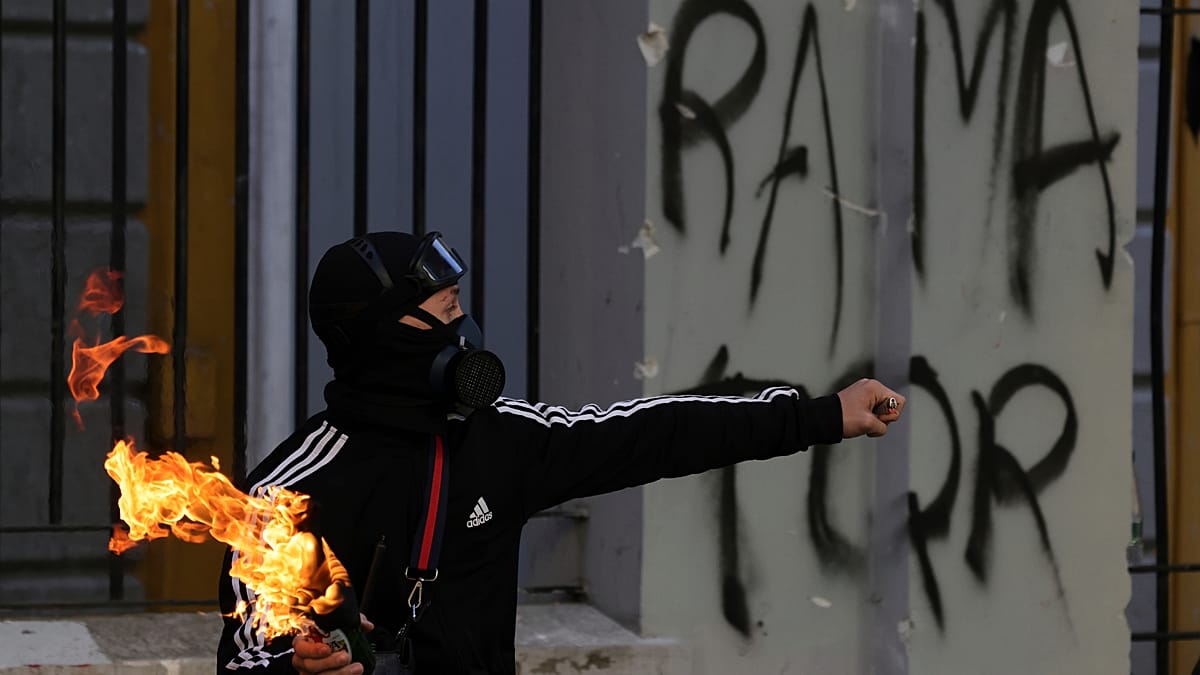
Police in Tirana used water cannon and tear gas on Tuesday as anti-government demonstrations over university conditions and corruption entered their sixth day. The clashes mark an escalation in the largest wave of unrest Albania has seen in years, with thousands of students and opposition supporters filling the streets of the capital.
The protests began as a student-led movement demanding improvements to dormitories, higher education funding, and an end to perceived cronyism in university administration. They have since broadened into a wider challenge to Prime Minister Edi Rama's government, with many demonstrators calling for his resignation.
Footage from the scene showed riot police in full gear advancing on crowds near the main university campus, while water cannons dispersed groups that had blocked a central boulevard. Tear gas canisters were also fired, sending protesters scattering into side streets. Several people were reported injured, though official figures have not yet been released.
The unrest has drawn comparisons to recent protests elsewhere in Europe over living costs and housing, including clashes in Milan and tensions in Paris. However, the Tirana demonstrations have a distinctly political character, with opposition parties actively supporting the student movement.
Government accuses foreign actors
Prime Minister Rama has dismissed the protests as being manipulated from abroad. In a televised address on Monday, he claimed that "foreign actors" were seeking to destabilise the country, without providing evidence. His remarks were echoed by the interior minister, who said police were acting to prevent "violence and vandalism".
Opposition leaders have rejected these accusations, insisting that the protests are a spontaneous expression of public anger. "The students are not puppets," said one opposition MP in Tirana. "They are demanding dignity and transparency, and the government should listen instead of using force."
The European Union has called for restraint on both sides. A spokesperson for the European Commission said that "peaceful protest is a fundamental right" and urged the Albanian authorities to engage in dialogue with demonstrators. Albania is a candidate country for EU membership, and the bloc has repeatedly stressed the importance of rule of law and democratic standards.
Analysts note that the protests come at a delicate time for the region. With inflation still high and public trust in institutions low, similar grievances have erupted in other Balkan countries. The situation in Tirana is being closely watched in Brussels, where officials are wary of any backsliding on reforms.
For now, the streets of Tirana remain tense. Student leaders have vowed to continue their action until their demands are met, while the government shows no sign of backing down. The coming days will test whether Albania can navigate this crisis without further violence.