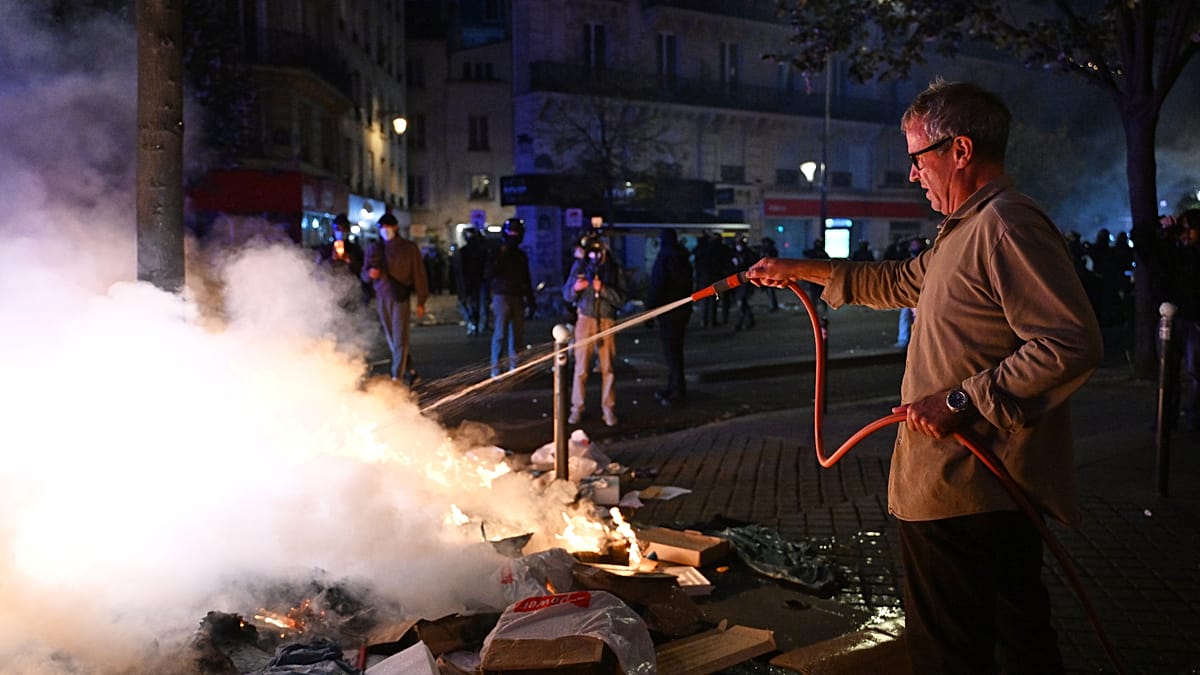
Paris's Place de la République saw fresh tension on Sunday afternoon as groups of young people returned to the square under the watchful eye of riot police. "Be careful, it's about to blow up again," one officer warned as the crowd swelled.
Small police squads stood among apparently peaceful groups of youths when sudden scuffles ignited a new wave of defiance. Chants of "ACAB" rang out as officers isolated a boy who appeared to be in his early teens and led him away, with youths shouting for his release. A handful of tear gas grenades were fired as the two sides edged warily around each other. Police then withdrew from the square, clearing people from their path as they went.
The skirmishes followed a night of some of the worst urban violence France has seen in years, as demonstrations over the cost of living gave way to clashes with police, mass looting, and fires across the country. Nearly 2,400 people were arrested on Saturday and almost 1,000 police and gendarmes were injured, according to the interior ministry. Late on Saturday, Prime Minister Sébastien Lecornu had condemned "violence of extreme intensity," putting the figures at the time at 1,200 arrests and 150 officers hurt.
Macron refuses minister's resignation
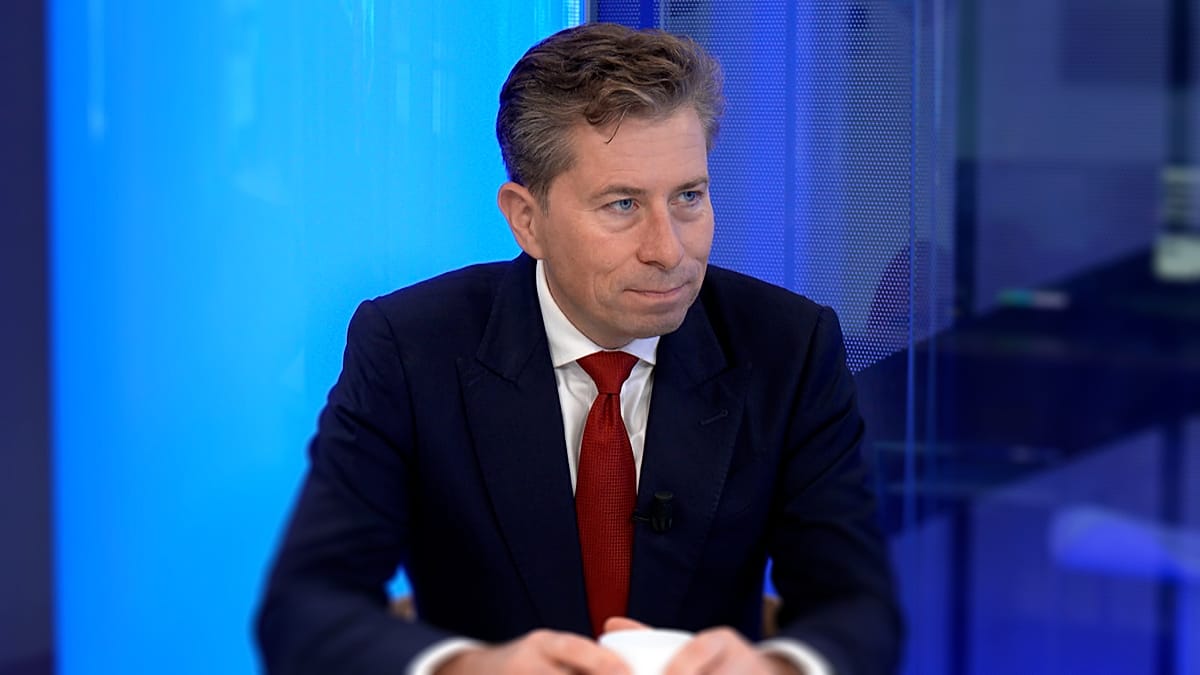
On Monday, President Emmanuel Macron acknowledged "failures in anticipation and intelligence" but refused the resignation of Interior Minister Laurent Nuñez, the Élysée Palace said. "The interior minister submitted his resignation to the president on Sunday," the palace said in a statement. "Given the necessity for continued leadership of law enforcement at this time, the president refused."
Some opposition politicians had called for Nuñez to be sacked. Macron instead asked him to "take all necessary steps to ensure transparency over the failures in planning and intelligence that led to the violence," and to "put in place new operational methods for security forces" to handle the crisis. The president's response echoes his earlier vow to punish those who tried to bring down the Republic.
Back on Place de la République, people trickled in once the police had gone. The square soon filled with curious passers-by who had come to see the damage from the night before, stopping in the surrounding streets to photograph burned cars, heaps of wrecked bicycles, and shattered glass. "It's like a museum," one woman said. "Well, now we've seen it, we can go home."
'People are desperate'
Paris mayor Emmanuel Grégoire said whole streets in the capital "have been devastated." He drew a line between the "fundamental" right to protest and "unacceptable" violence. On a nearby street, Ilan, 21, was sweeping debris from the front of his small delicatessen. Its window, smashed by looters, had been patched with cardboard, and he had opened for only a few hours. "I was lucky, but just next door they lost everything," he said. "How are they going to cope? Some people are really desperate."
He did not plan to stay open long. "They're going to come back tonight," he said. "I'm not staying much longer." Across the road stood a restaurant that looters had burned out and ransacked. Shortly afterwards, panic swept the street as rumours of new clashes spread and tear gas grenades could be heard exploding, sending groups running from the square.
Nearby, tear gas fumes drifted past Le Carillon, one of the bars targeted in the November 2015 Paris attacks. Hooded youths ran past its windows with riot police in pursuit, and staff hurried to shut them. The unrest comes as France grapples with broader social tensions, and Macron has previously said student anger is being exploited as the country braces for further protests.