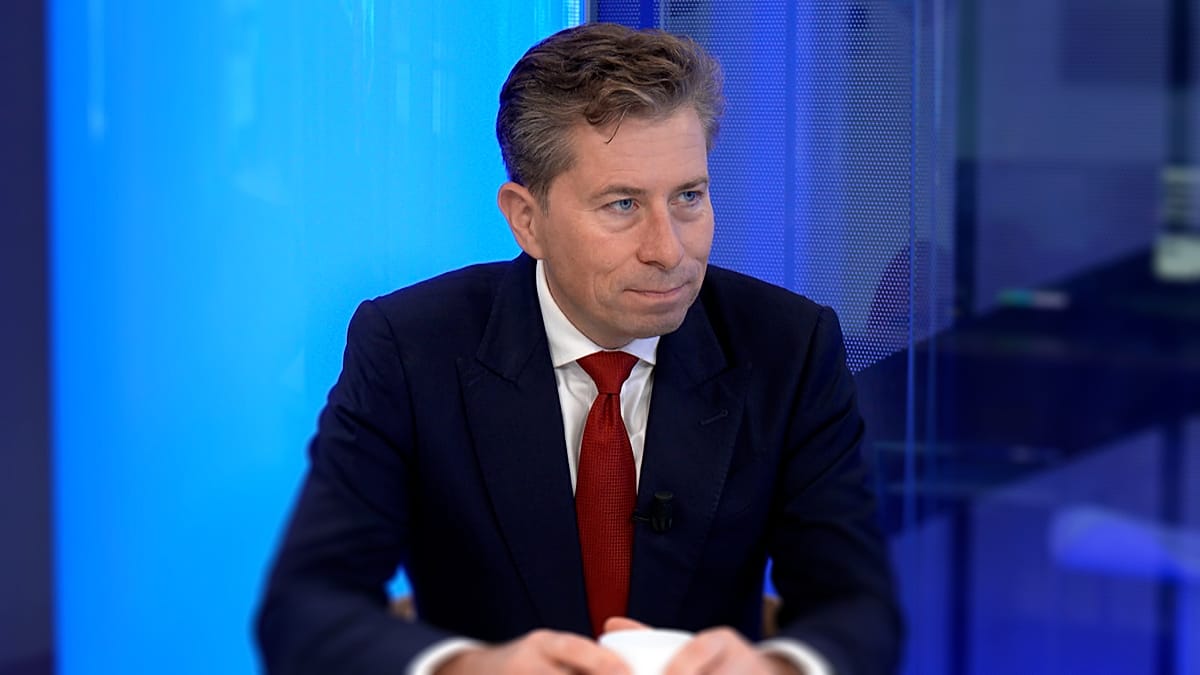
The United Nations' top humanitarian official has issued a stark warning: children in conflict zones will die because of budget cuts the organisation is being forced to make. Tom Fletcher, the UN Under-Secretary-General for Humanitarian Affairs, described the situation as a direct consequence of funding shortfalls, saying, "I hold children who will probably not survive because of the cuts I'm forced to make."
Speaking to reporters, Fletcher painted a grim picture of the humanitarian landscape, calling places like Sudan and Gaza an "atrocities lab" where new weapons are being developed and tested amid devastating human suffering. His comments come as the UN grapples with a widening gap between donor contributions and the needs of millions of civilians caught in protracted crises.
A crisis of impunity
Fletcher also highlighted the alarming toll on aid workers themselves. Over the past three years, nearly 1,000 humanitarian personnel have been killed, yet there has been almost no accountability. "No accountability, never investigations," he lamented, describing the situation as "terrifying." The lack of consequences, he argued, emboldens armed groups and erodes the safety of those trying to deliver assistance.
The warning arrives as European Union member states remain deadlocked over the bloc's long-term budget, with EU leaders struggling to close funding gaps for both internal priorities and external commitments. The UN's humanitarian budget relies heavily on contributions from EU countries, and any reduction in their pledges would have immediate consequences for operations in the world's most dangerous regions.
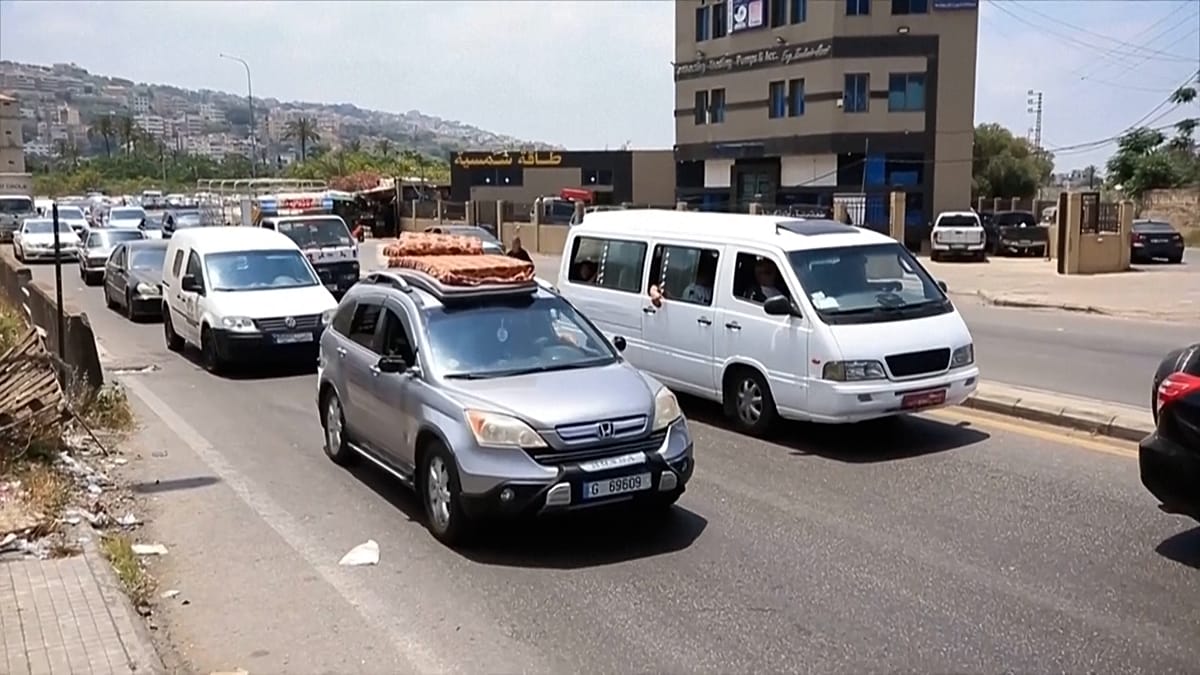
Fletcher's remarks echo concerns raised by other UN officials about the shrinking space for humanitarian action. In Sudan, where a brutal civil war has displaced millions, and in Gaza, where Israeli military operations have caused widespread destruction, aid agencies are already rationing supplies and scaling back programmes. The proposed cuts would force even more difficult choices, such as which children to prioritise for therapeutic feeding or which clinics to keep open.
The UN's emergency appeal for 2025 is facing a shortfall of billions of dollars, and Fletcher warned that without urgent replenishment, the organisation would have to suspend or reduce life-saving services. He called on donor governments, including those in Europe, to honour their commitments and resist the temptation to slash aid budgets in times of domestic fiscal pressure.
European capitals are currently negotiating the next multi-annual financial framework, and some member states, such as Ireland, have defended proposed cuts as a realistic compromise amid competing demands. But humanitarian organisations argue that such compromises come at a lethal cost. The EU's budget framework is meant to balance competitiveness and cohesion, yet the human impact of reduced external aid is often overlooked in the technical debates in Brussels.
Fletcher's message is a reminder that budget decisions in European capitals have direct consequences for vulnerable populations far beyond the continent's borders. As he put it, the world is witnessing a "terrifying" erosion of the rules of war, and the international community's response—or lack thereof—will be measured in lives lost.