Greek authorities confirmed on Monday that twelve migrants lost their lives in two separate incidents in the Aegean Sea, underscoring the persistent dangers of irregular crossings between Turkey and the Greek islands.
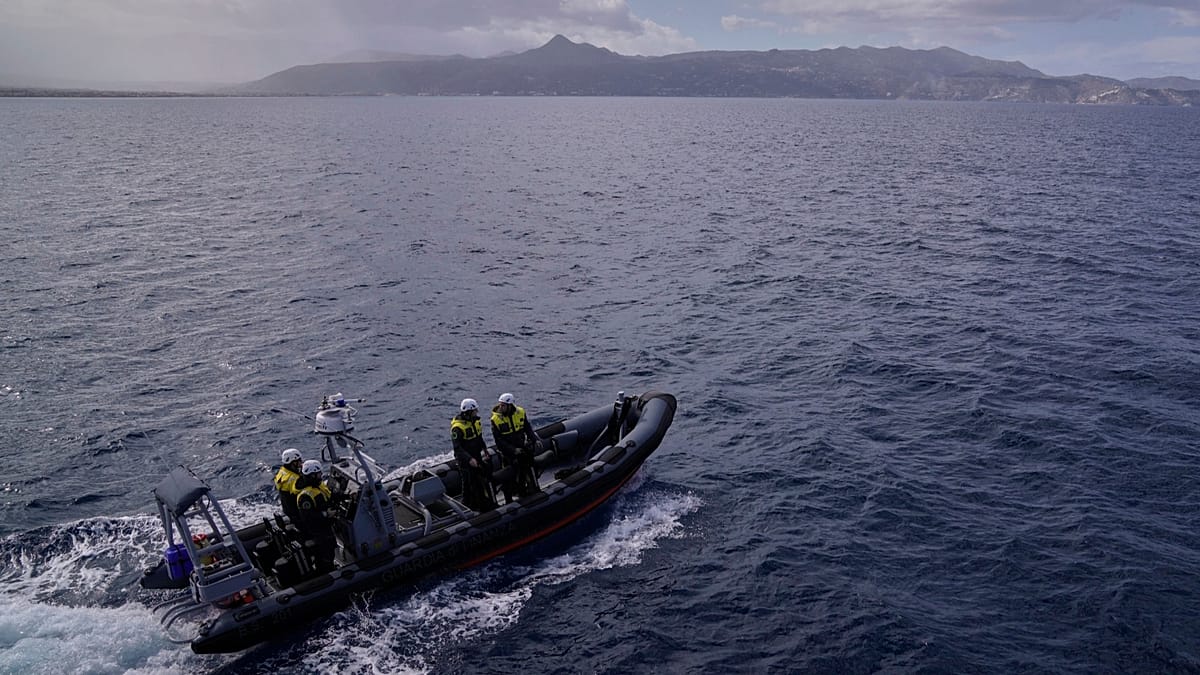
The coast guard reported that six people, including a baby and four women, died after their vessel collided with a police patrol boat near the island of Lesbos. The circumstances of the collision are under investigation, and it remains unclear whether the patrol boat was involved in a rescue operation or an interception at the time.
In a second incident, six more migrants perished when their small boat capsized off the island of Samos, a frequent departure point for those attempting to reach the European Union from the Turkish coast. The coast guard did not provide further details on the victims' nationalities or ages.
Rising toll across the Mediterranean
The latest deaths add to a grim tally for 2025. According to the International Organisation for Migration (IOM), at least 1,209 migrants have died or gone missing in the Mediterranean since the beginning of the year. The central Mediterranean route, often used by people departing from Libya and Tunisia, remains the deadliest, but the eastern route through the Aegean continues to claim lives as well.
Greek authorities have repeatedly faced criticism over their handling of migrant boats, with human rights groups alleging that pushbacks and aggressive patrol tactics endanger lives. The Greek coast guard maintains that it acts within the law and prioritises saving lives, but Monday's collision off Lesbos is likely to reignite scrutiny.
The European Union has been grappling with how to balance border enforcement with humanitarian obligations. While Denmark has asked the EU to review Spain's plan to regularise 600,000 migrants, the bloc's broader migration policy remains fragmented. The Aegean islands, once the epicentre of the 2015-2016 refugee crisis, still receive a steady flow of arrivals, though numbers are lower than in previous peaks.
Local residents and aid workers on Lesbos and Samos have long called for more support from Athens and Brussels, arguing that the islands bear a disproportionate burden. The Greek government has pledged to strengthen asylum procedures and improve reception conditions, but progress has been slow.
The IOM's figures highlight the global scale of the crisis. In a separate tragedy, a shipwreck off Djibouti killed at least 139 migrants bound for Yemen, and a boat disaster off Gambia killed at least 12, illustrating that migration routes are shifting and expanding. The Mediterranean, however, remains a focal point for European policy.
Efforts to identify the dead and missing have been a recurring challenge. At a recent conference in Baku, experts stressed that political will, not technology, is key to identifying missing migrants. Without coordinated action, many families will never learn the fate of their loved ones.
As the EU continues to debate its migration pact, the human cost of inaction is evident. Each death in the Aegean is a stark reminder that the continent's borders are not just administrative lines but places where lives are at stake.