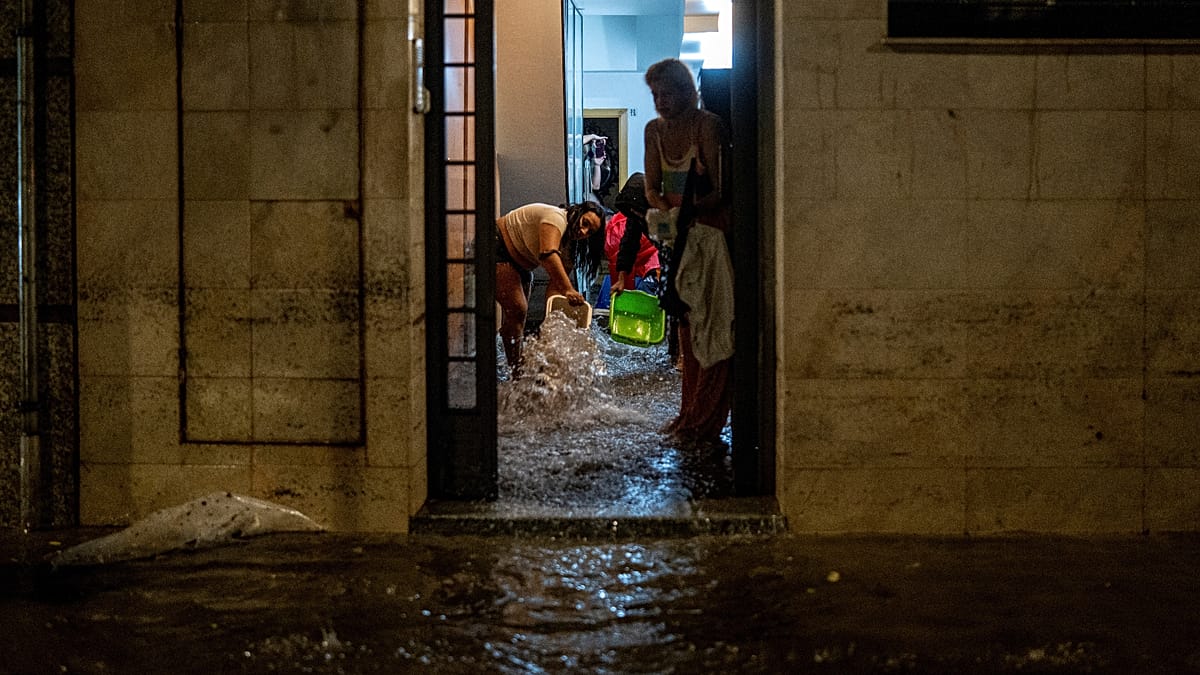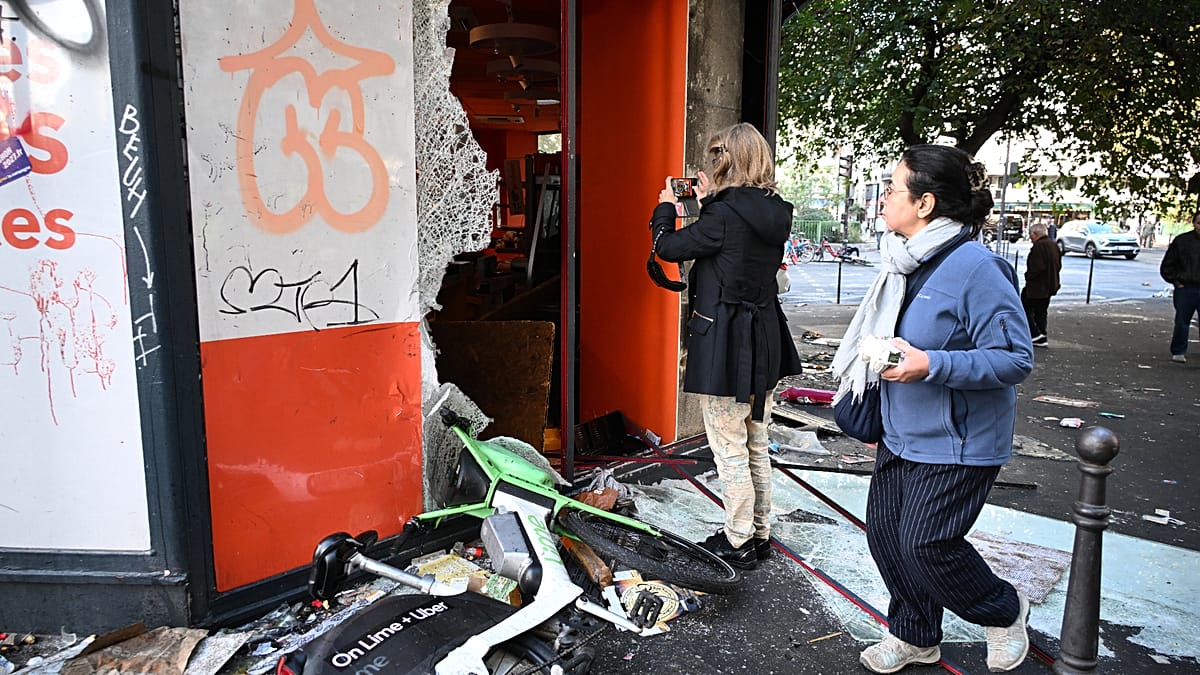
Residents across France woke on Sunday 18 October to a familiar but unwelcome sight: streets strewn with shattered glass, charred bicycles, and piles of debris. The aftermath followed a day of demonstrations that spiraled into violence in Paris, Lyon, and Marseille, leaving city authorities to count the cost of another wave of social unrest.
The protests, driven by mounting frustration over the rising cost of living, drew thousands onto the streets. While most marchers remained peaceful, small groups broke away to attack shop fronts, set fire to vehicles, and clash with police. In the capital, the Champs-Élysées and surrounding districts bore the brunt, with luxury boutiques and cafés boarded up after windows were smashed. In Lyon, the historic Presqu'île district saw significant damage, while Marseille's bustling Vieux-Port area also reported vandalism and looting.
Economic toll mounts
Local chambers of commerce estimate the damage in the millions of euros, but the true cost extends beyond broken glass and burnt property. Shopkeepers, many already struggling with inflation and energy bills, now face lost revenue during the cleanup. In Lyon, the president of the local merchants' association told Le Progrès that some businesses may not reopen, calling the destruction "a blow to the heart of our city."
Marseille's mayor, Benoît Payan, condemned the violence, saying it "betrays the legitimate anger of those who march peacefully." He pledged that the city would seek compensation from the state, a sentiment echoed by Paris's deputy mayor, who described the damage as "unacceptable" and vowed to hold those responsible to account.
The unrest is not confined to France. Similar cost-of-living protests have erupted across Europe, from clashes in Brussels and Liège to violent demonstrations in Italian cities. The pattern reflects a continent-wide squeeze on household budgets, driven by soaring energy prices and food costs, which has fueled social tensions from the Mediterranean to the Baltic.
In France, the government has faced criticism for its response. Interior Minister Gérald Darmanin defended the police tactics, noting that hundreds of officers were deployed to prevent worse damage. But opposition leaders, including those from the far-left La France Insoumise, accused the government of ignoring the root causes of the anger, pointing to stagnant wages and inequality.
For many ordinary citizens, the violence is a double-edged sword. "I understand the frustration, but this doesn't help us," said Karim, a shopkeeper in Lyon's 7th arrondissement, whose storefront was damaged. "We're all struggling, but now we have to rebuild." His sentiment was echoed in Marseille, where residents began sweeping up broken glass outside their homes on Sunday morning.
The cleanup operation is underway, with municipal workers in all three cities working overtime to remove debris and repair public infrastructure. In Paris, the city hall announced that it would fast-track repairs to street furniture and lighting, while Lyon's mayor, Grégory Doucet, called for a "citizen dialogue" to address the underlying grievances.
This is not the first time French cities have faced such scenes. Previous protests over living costs have left scars, and the looting wave that hit cities nationwide earlier this year is still fresh in the memory of many retailers. The recurrence raises questions about the effectiveness of government measures, which have included fuel subsidies and targeted payments for low-income households.
As the clean-up continues, the political fallout is likely to intensify. President Emmanuel Macron's government faces a delicate balancing act: addressing the cost-of-living crisis while maintaining public order. With winter approaching and energy bills set to rise further, the pressure shows no sign of abating.
For now, the immediate priority is restoration. But the deeper challenge—how to ease the financial strain on millions of Europeans—remains unresolved, and the risk of further unrest looms large across the continent.