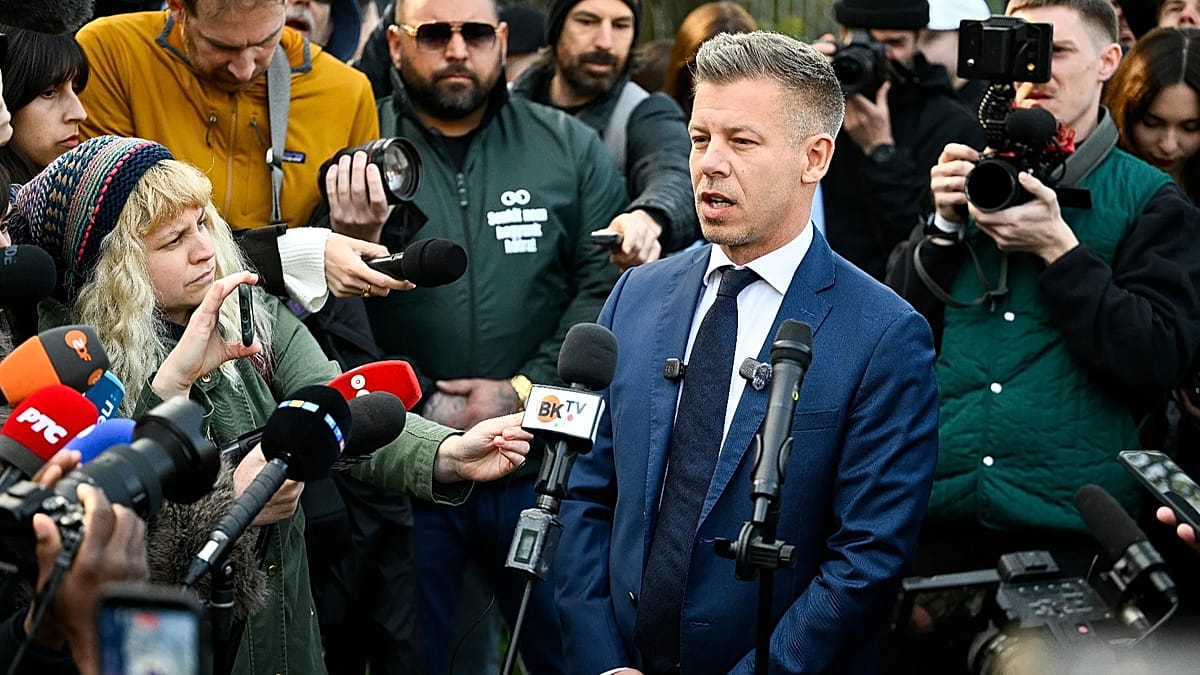
Hungarian Prime Minister Péter Magyar has linked the recent riots in France to migration, arguing that the "shocking scenes" of violence and destruction vindicate his government's uncompromising approach to border control and asylum. In a social media post on Sunday, Magyar shared footage of burning buildings and wrote that the unrest should serve as a wake-up call for Europe.
"Seeing this senseless destruction and unjustified violence, perhaps it is now clear to everyone why Hungary takes the toughest possible stance on migration," Magyar said. He added that Budapest would not relax its efforts to protect external borders or alter its immigration policy.
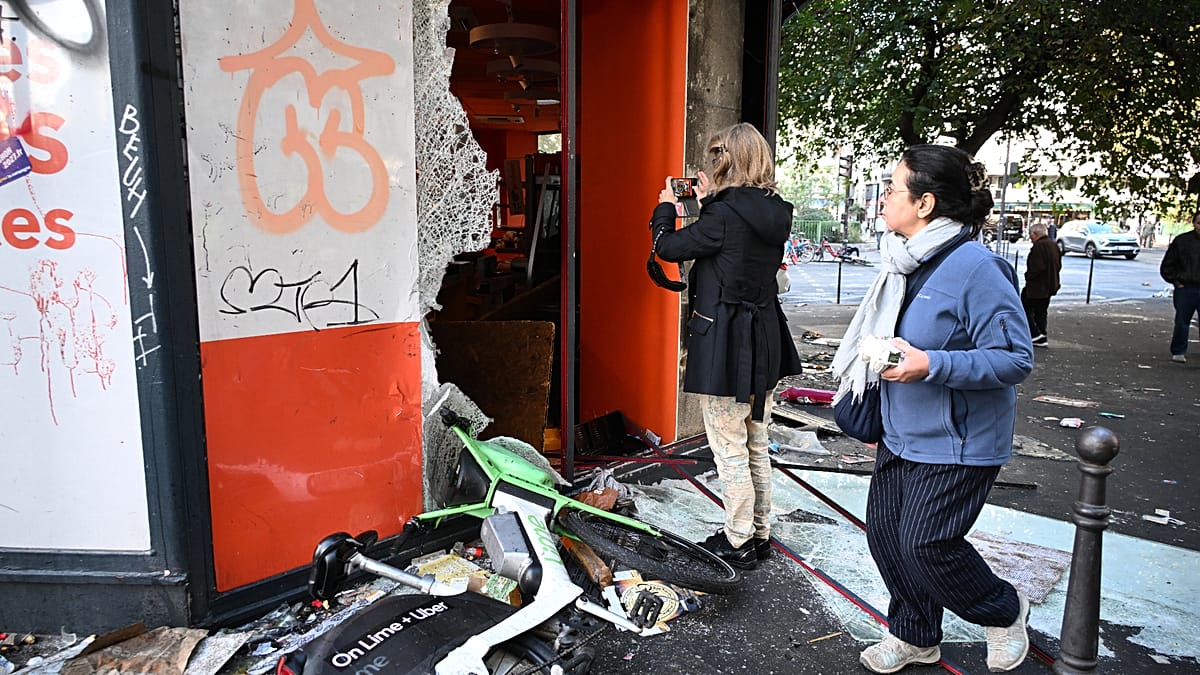
The riots, which erupted on Saturday during anti-austerity protests, saw looting in Paris, Lyon, and Marseille, and the gutting of Limoges' historic town hall. The violence has reignited a continent-wide debate over migration, with several EU leaders, including Denmark's Mette Frederiksen and Italy's Giorgia Meloni, pushing for tougher language in summit conclusions.
European leaders weigh in
Magyar's remarks were echoed by Polish Prime Minister Donald Tusk, who, without directly referencing France, declared that Poland would "neither repeat nor pay for" the mistakes of others. Tusk reaffirmed Warsaw's strict asylum policy, stating, "We are firmly defending the border against illegal migration; we have our own asylum policy (we do not accept applications); we deport those who break Polish law." He also stressed that on security issues, Poland would be "relentless."
French President Emmanuel Macron, however, cautioned against "the stigmatisation" of immigrants, while Spanish Prime Minister Pedro Sánchez highlighted their positive contributions to society. Sánchez has previously defended Spain's migration record against EU critics.
The divergent responses underscore a deepening rift within the European Union over how to handle migration, a topic that has long divided member states. At a recent summit in Brussels, leaders failed to reach a consensus on a unified approach, leaving the bloc's migration policy in a state of flux.
Criticism at home
Magyar's comments drew sharp rebuke from left-wing activists in Hungary. András Jámbor, a Budapest councillor, accused the prime minister of exploiting the French riots for political gain. "It is deeply disturbing that the Hungarian Prime Minister chose not to address the people's legitimate demands and the unjustified violence, but instead to label them migrants," Jámbor said. He noted that while some protesters may have immigrant backgrounds, the demonstrations were about broader issues.
The unrest in France has also raised concerns about the economic fallout, with shopkeepers counting losses after the looting wave. The destruction of public buildings, including the Limoges town hall, has been widely condemned.
Magyar's stance is part of a broader trend among some Central European leaders who advocate for stricter border controls and a more skeptical view of immigration. This position has gained traction in recent years, particularly in Hungary and Poland, where nationalist governments have made migration a central political issue.
However, critics argue that linking migration to social unrest oversimplifies complex problems and risks fueling xenophobia. The European Union's attempts to reform its asylum system have been stalled by these disagreements, leaving the bloc vulnerable to future crises.
As Europe grapples with these challenges, the debate over migration is likely to intensify, with leaders like Magyar and Tusk pushing for a harder line while others, such as Macron and Sánchez, advocate for a more inclusive approach. The outcome will shape the continent's future and its identity as a union of diverse nations.