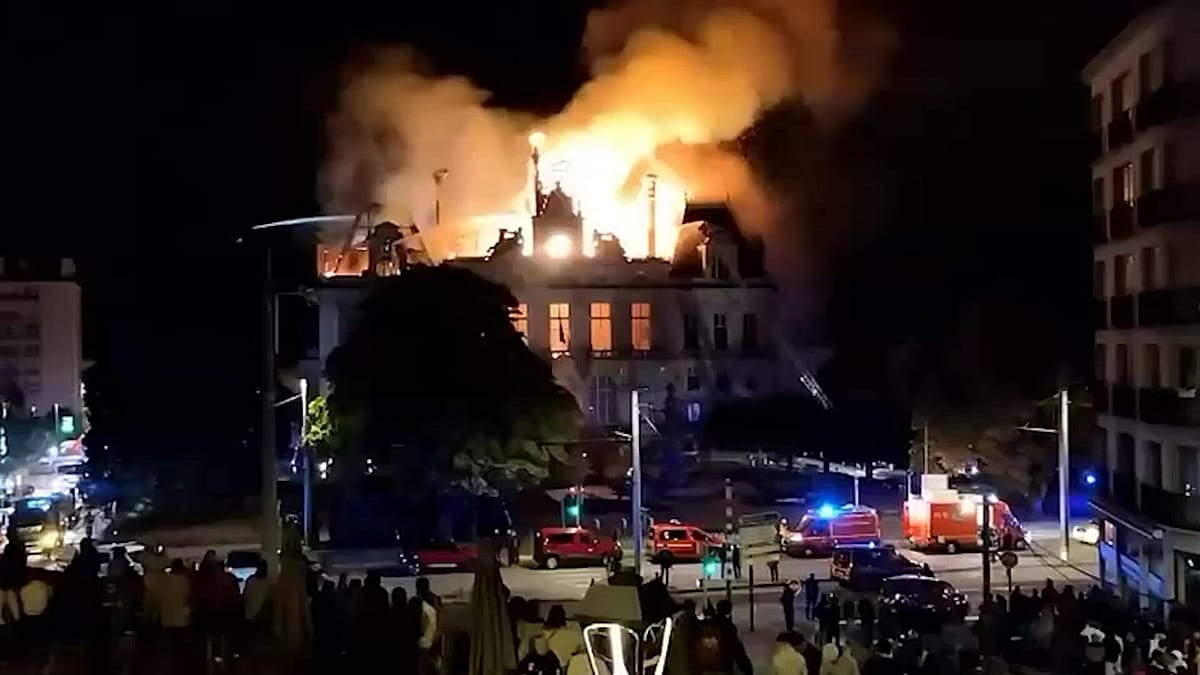
In the heart of Limoges, a city known for its porcelain and medieval streets, the town hall — a symbol of civic pride since 1883 — was engulfed in flames on Saturday night. The fire, which broke out amid nationwide protests over the soaring cost of living, has left the historic structure severely damaged, with the roof collapsing onto the lower floors and large sections of the facade reduced to rubble.
Maurice Barate, the prefect of the Haute-Vienne department, confirmed that the blaze had consumed roughly two-thirds of the building's exterior, sparing only the west wing. Speaking to reporters at the scene, he described the damage as "considerable" and said that firefighters had worked through the night to prevent the flames from spreading to adjacent buildings. The cause of the fire is believed to be arson, as witnesses reported seeing a group of individuals setting the building alight during the protests.
Violence erupts across French cities
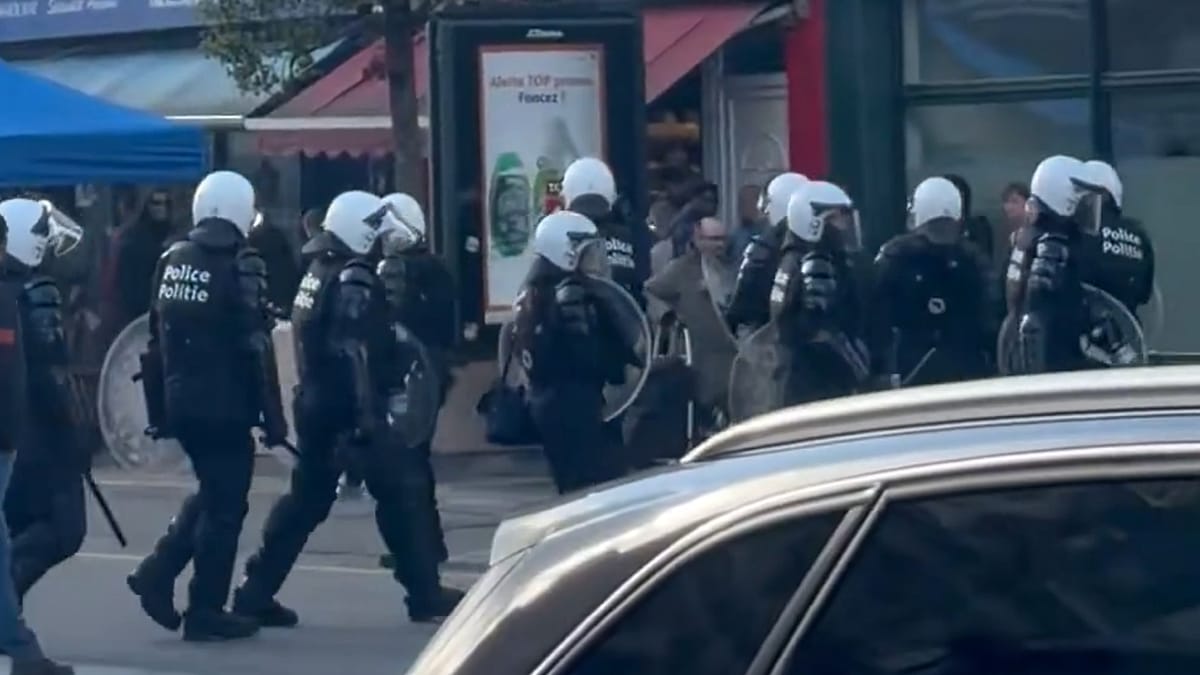
The Limoges fire was the most dramatic incident in a weekend of unrest that saw demonstrations in Paris, Lyon, Marseille, and other urban centres turn violent. In the capital, journalists were attacked by masked looters while covering the protests, raising concerns about press freedom and the safety of those documenting the unrest. Meanwhile, in Lyon, a tourist office was torched, and in Brussels and Liège, clashes with police escalated as the cost-of-living crisis continues to fuel anger across Europe.
The protests, which began as a response to rising food and energy prices, have increasingly become a broader expression of discontent with the French government's economic policies. In Limoges, demonstrators marched through the city centre before a group broke away and targeted the town hall, a building that many see as a symbol of the state's perceived indifference to their struggles.
Local resident Marie Dupont, who watched the fire from her apartment window, told European Pulse: "This is our history burning. I understand the anger, but this is not the way. The town hall has been here for generations, and now it's gone." Her sentiments were echoed by many in the city, where the building was not only an administrative hub but also a venue for weddings, civic ceremonies, and community gatherings.
Government response and broader context
French Interior Minister Gérald Darmanin condemned the violence, calling it "unacceptable" and vowing that those responsible would be brought to justice. In a statement, he said: "The right to protest is fundamental, but it does not include the right to destroy public property or endanger lives." Police have launched an investigation, and several arrests have been made in connection with the Limoges fire.
The unrest in France is part of a wider European wave of protests over the rising cost of living. In Portugal, housing protests have joined the movement, while in Albania, Prime Minister Edi Rama has accused foreign actors of fuelling demonstrations in Tirana. The common thread is a growing frustration among citizens who feel squeezed by inflation and stagnant wages, and who see their governments as either unwilling or unable to provide relief.
In France, the government has announced a series of measures aimed at easing the burden on households, including fuel subsidies and price caps on essential goods. However, critics argue that these steps are insufficient and that the government has been slow to respond to the severity of the crisis. The tensions had been building for weeks, and Saturday's events suggest that the situation is far from resolved.
As the smoke cleared over Limoges on Sunday morning, the full extent of the damage became apparent. The town hall's iconic clock tower, which had overlooked the Place de la Mairie for over a century, was gone. The building's archives, which contained centuries of municipal records, are feared lost. For a city that prides itself on its heritage, the loss is immeasurable.
Mayor Émile Roger Lombertie has promised that the town hall will be rebuilt, but he acknowledged that the process would take years. "We will not let this act of vandalism define our city," he said. "Limoges has survived wars and fires before, and we will rebuild, but we must also ask ourselves how we got here and what we can do to address the anger that led to this destruction."
The coming days will likely see further protests, as the cost-of-living crisis shows no signs of abating. For now, the charred remains of the Limoges town hall stand as a stark reminder of the deep divisions within French society and the urgent need for a political response that goes beyond short-term measures.