Marseille saw some of the most intense scenes of France's nationwide cost-of-living protests on Saturday, as demonstrators stormed the city's town hall and clashed with police. The violence in the southern port city underscored the depth of public anger over inflation and stagnant wages that has gripped the country in recent weeks.
According to AFP journalists at the scene, protesters forced their way through the building's doors, overturned a bust of Marianne—the enduring symbol of the French Republic—and damaged furniture in the entrance hall. Police later intervened to clear the building, but not before the images had spread across social media, adding to the sense of a government struggling to contain the unrest.
Earlier in the day, masked protesters had attacked the façade of a municipal police station, setting fire to rubbish bins and throwing smoke devices inside. The attacks on public buildings mark a sharp escalation from the largely peaceful demonstrations that have taken place in other French cities.
Nationwide discontent
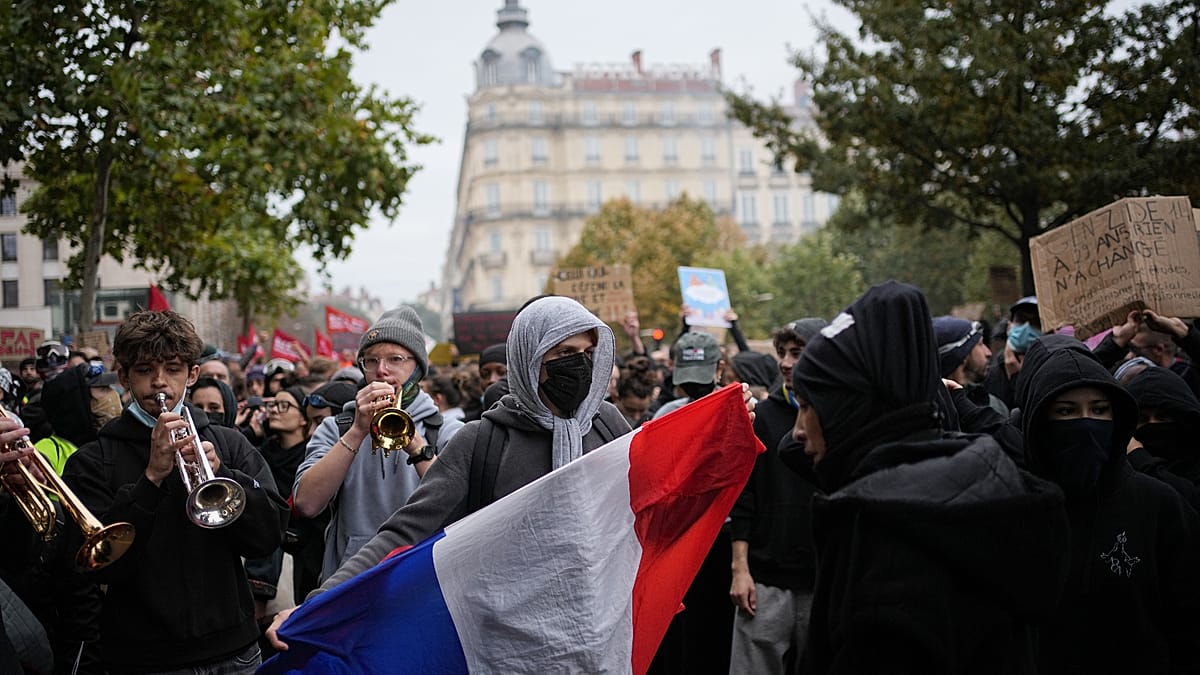
Saturday's protests were part of a broader wave of demonstrations across France, driven by the sharp rise in the cost of food, energy, and housing. In Paris, Lyon, and Bordeaux, tens of thousands took to the streets, but it was Marseille that saw the most serious clashes. The city has long been a flashpoint for social tensions, with high unemployment and a deep sense of neglect among working-class communities.
The unrest comes as President Emmanuel Macron faces mounting pressure over his economic policies. His government has already announced a series of measures to cushion the impact of inflation, including fuel rebates and price caps on essential goods, but many protesters argue these are insufficient. The president's recent comments suggesting that student anger was being exploited have further inflamed tensions.
In Marseille, the choice of targets was symbolic. The town hall, a grand 19th-century building overlooking the Old Port, represents the local authority that many residents feel has failed to address their daily struggles. The bust of Marianne, a fixture in every French town hall, was toppled as a direct challenge to the Republic's values of liberty, equality, and fraternity.
Police response and political fallout
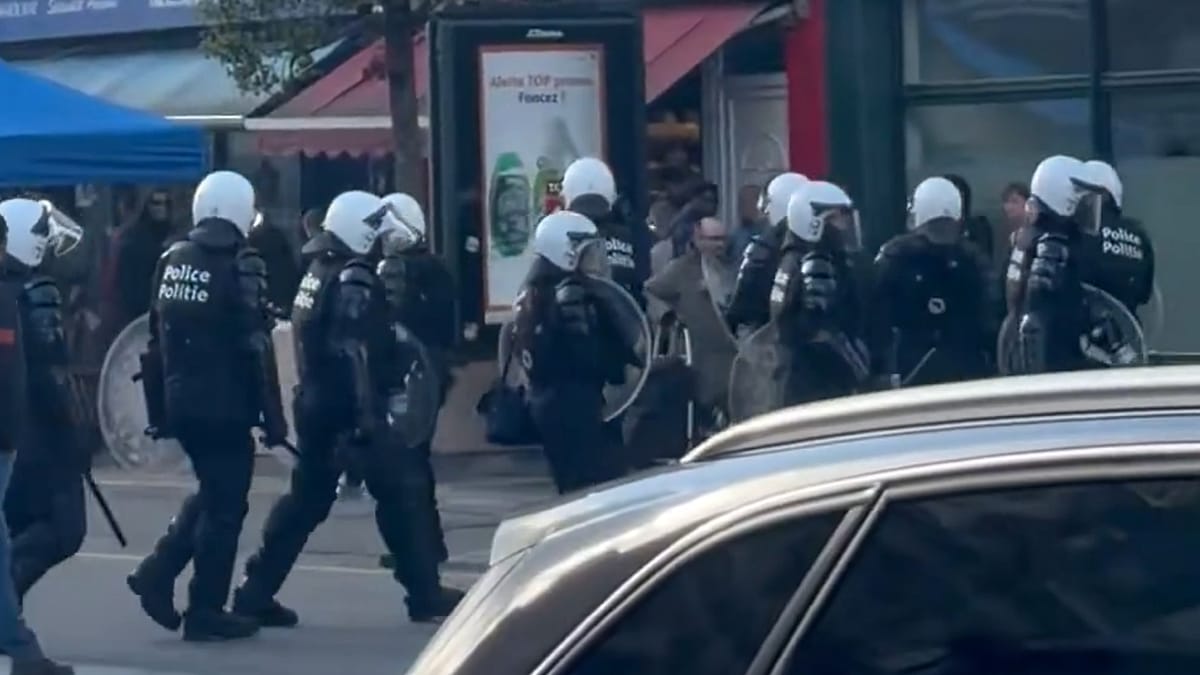
Police in riot gear eventually cleared the town hall, making several arrests. The interior ministry said that 11 people had been detained in Marseille by late evening, though the figure could rise. The clashes left several officers injured, according to local police sources.
The violence drew swift condemnation from political leaders. The mayor of Marseille, Benoît Payan, called the storming of the town hall "an unacceptable attack on our democratic institutions." He added that while he understood the anger over prices, "nothing justifies such violence."
Opposition parties, however, were quick to blame the government. Marine Le Pen's National Rally accused Macron of "ignoring the suffering of the French people," while the far-left France Unbowed called for a "general strike" to force the government to act. The protests come at a delicate time for the president, who is already grappling with France's worsening debt position and a fragmented parliament.
The unrest in Marseille is not an isolated incident. Similar scenes have played out in other European countries as the cost-of-living crisis bites. In Portugal, police recently cleared a housing protest camp in Porto, leaving dozens injured. The Porto clashes highlighted the regional dimension of a problem that transcends national borders.
For now, the French government is treading carefully. Interior Minister Gérald Darmanin has promised a "firm response" to any further violence, but also acknowledged that "the anger is real." Whether that mix of toughness and empathy can defuse the situation remains to be seen.
As night fell over Marseille, the streets were quiet, but the smell of smoke lingered. The town hall's doors, hastily repaired, bore the scars of the day's events. For many residents, the question is not whether the protests will continue, but how long they will last—and what it will take to restore trust in a system that many feel has left them behind.