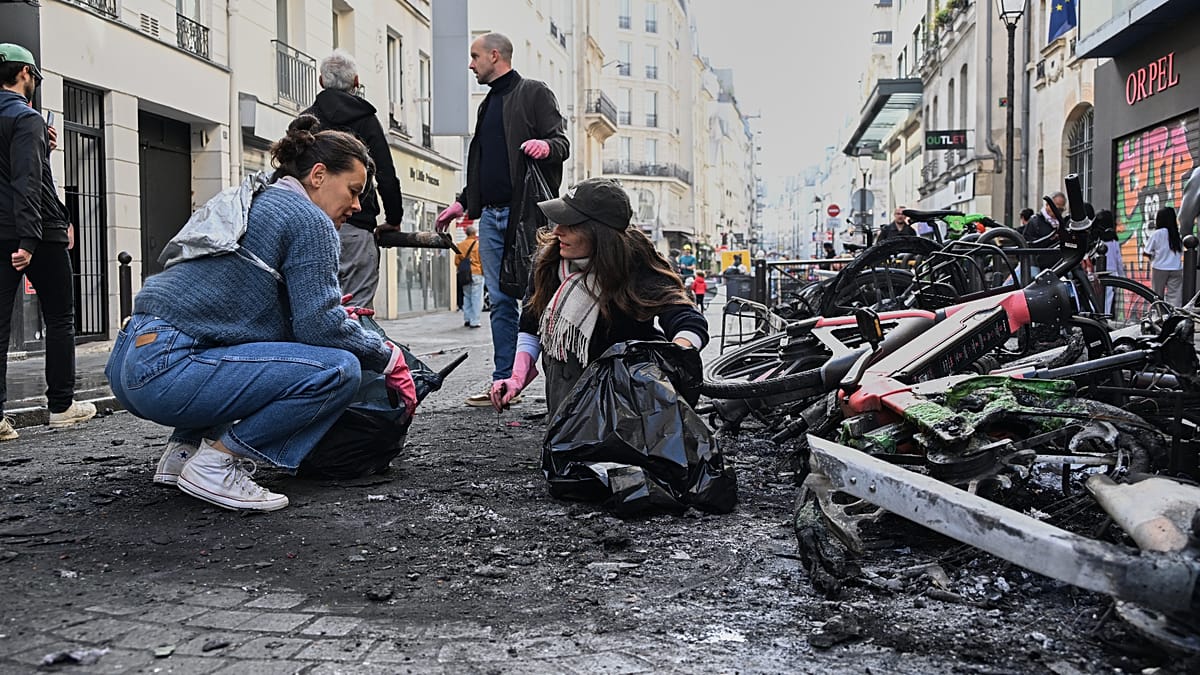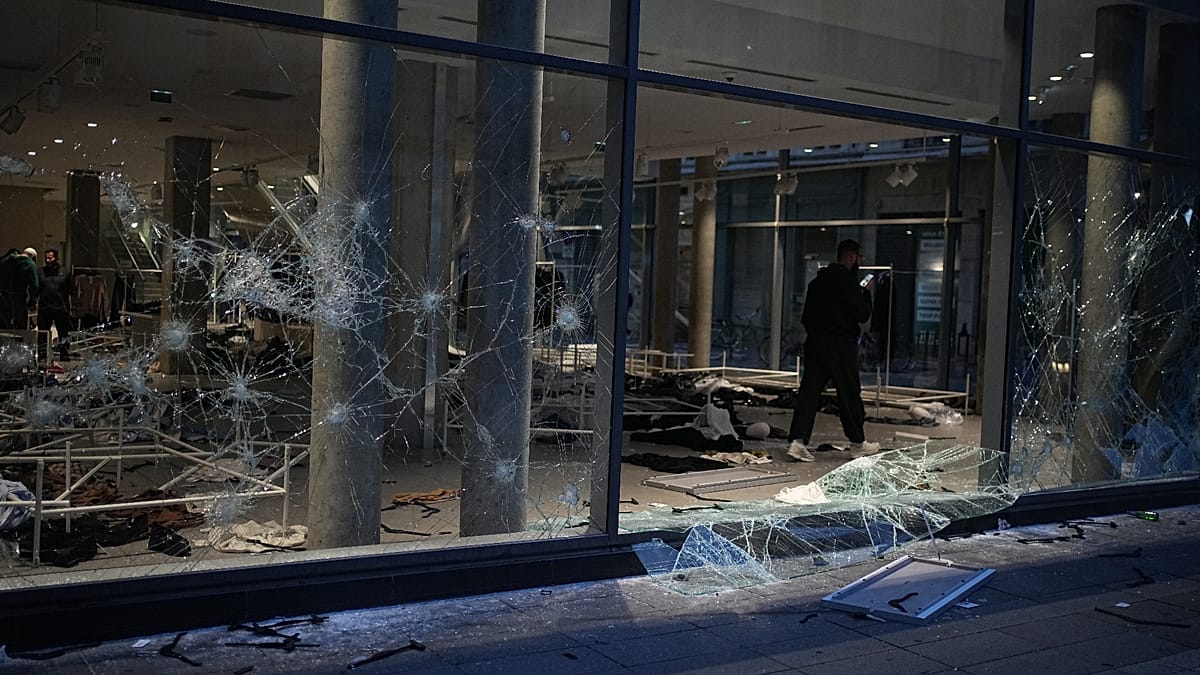
Residents of Lyon woke on Sunday to a scene of devastation in the city's historic heart. Debris, shattered glass, and the charred remains of the tourist office on Place Bellecour marked the aftermath of a night of violence that erupted during Saturday's demonstrations over rising living costs.
The unrest, which also saw shop windows smashed along the bustling Rue de la République and graffiti scrawled on nearby facades, has heightened concerns about the social tensions simmering across France as the presidential election looms next year.
A night of anger in the Rhône capital
What began as a protest against inflation and stagnant wages spiraled into confrontation late Saturday. Witnesses reported masked individuals breaking into stores, setting fire to street furniture, and clashing with police. By dawn, cleaning crews were sweeping up debris while workers boarded up damaged storefronts, their plywood panels a stark reminder of the violence.
The tourist office, a key gateway for visitors to the Auvergne-Rhône-Alpes region, was left gutted by fire. Its loss is both symbolic and practical, striking at a city that prides itself on its UNESCO-listed architecture and gastronomic reputation.
Lyon is not alone in facing this turmoil. Similar scenes have played out in cities across France in recent weeks, as cost-of-living protests have turned violent in Paris, Bordeaux, and elsewhere. In Limoges, the historic town hall was destroyed by fire, a blow to local heritage that shocked the nation.
The violence has also spread beyond France's borders. In Belgium, Brussels and Liège saw clashes as similar grievances over purchasing power ignited. This wave of discontent is part of a broader European phenomenon, with Portugal's housing protests joining the chorus of anger over affordability.
For Lyon's mayor, Grégory Doucet, the priority is restoring order and supporting affected businesses. In a statement, he condemned the violence, calling it "unacceptable" and emphasizing that the city's social dialogue must continue. "We cannot let a minority of agitators tarnish the legitimate expression of distress," he said.
Local shopkeepers, many of whom had already been struggling with the economic fallout of the pandemic and energy crisis, now face the additional burden of repairing damage and lost stock. "We are devastated," said one boutique owner on Rue de la République, who asked not to be named. "This is our livelihood, and it will take months to recover."
The national government, already under pressure over its handling of the cost-of-living crisis, is walking a tightrope. Interior Minister Gérald Darmanin has promised firm action against those responsible, while President Emmanuel Macron's administration faces the challenge of addressing the root causes of public anger before the election campaign intensifies.
As Lyon begins the slow process of cleaning up, the images of shattered windows and burned buildings serve as a stark warning. The cost-of-living crisis is not merely an economic statistic; it is a force that can reshape the streets of Europe's most beloved cities. The question now is whether the political response will match the scale of the discontent.