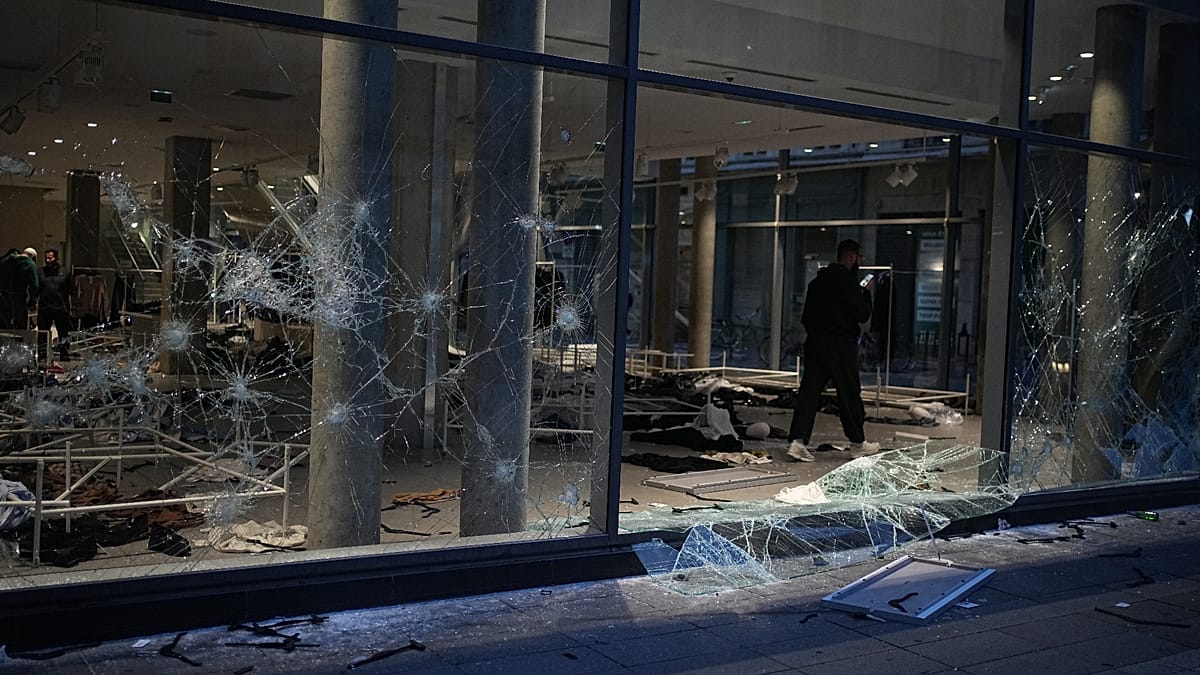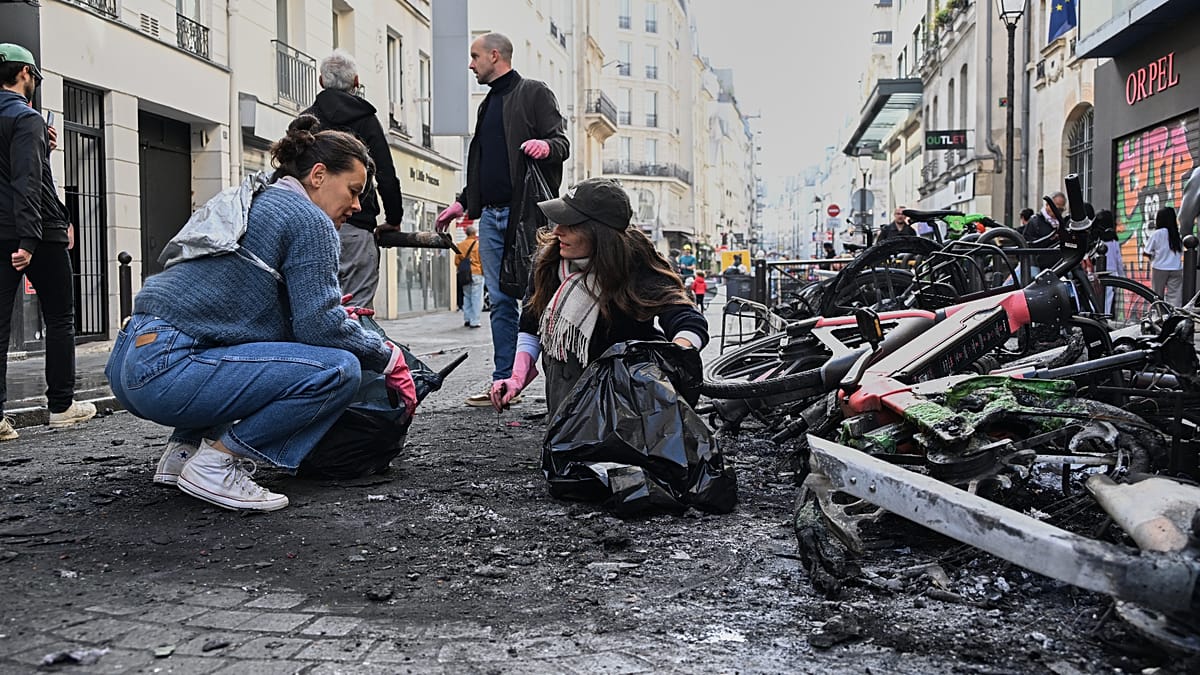
Parisians woke on Sunday to a city scarred by the previous day's unrest, as what began as a protest against the rising cost of living spiraled into scenes of destruction. Streets across the capital were littered with burnt bicycles, shattered glass, and damaged vehicles, while storefronts bore the marks of vandalism and looting.
Among the businesses affected were well-known international chains such as Nike, Sephora, and Burger King, alongside local shops and the ticket office of the Paris Opera. The damage was concentrated in central districts, where demonstrators clashed with police and left a trail of debris that stretched for blocks.
By Sunday morning, municipal cleaning crews were out in force, sweeping up broken glass and removing charred bicycle frames. Carpenters and glaziers were already at work, boarding up windows and assessing the cost of repairs. The swift response underscored the city's determination to return to normal after a night of chaos.
Nationwide demonstrations against inflation
The violence in Paris was part of a broader wave of demonstrations across France, driven by public anger over soaring prices for food, energy, and housing. Similar protests took place in Lyon, Marseille, and Lille, though the capital saw the most severe damage. The demonstrations reflect a growing frustration among French citizens, who are struggling to make ends meet as inflation erodes purchasing power.
Saturday's protest had been organized by left-wing groups and unions, who accuse the government of failing to address the economic pressures facing ordinary households. While the majority of demonstrators were peaceful, a minority broke away and engaged in acts of vandalism, prompting criticism from political leaders and calls for those responsible to be held to account.
Interior Minister Gérald Darmanin condemned the violence, stating that "the destruction of public and private property is unacceptable and will not be tolerated." He confirmed that police had made several arrests overnight and that investigations were underway. The government has also faced scrutiny over its handling of the protests, with opposition figures arguing that the unrest highlights a deeper social crisis.
The cost-of-living issue is not unique to France; it has become a defining challenge across Europe. In recent months, similar protests have erupted in other member states, from Spain to Germany, as households grapple with energy bills and food prices. The situation has put pressure on the European Union to coordinate responses, though national governments remain primarily responsible for social policy.
For Paris, the immediate priority is repair and recovery. Shop owners surveyed the damage with a mix of resignation and resolve. "We've been through this before," said one café owner in the Marais, referring to the Yellow Vest protests of 2018 and the recent pension reform demonstrations. "It's frustrating, but we will rebuild."
The city's mayor, Anne Hidalgo, visited several affected areas on Sunday morning, expressing solidarity with business owners and promising municipal support. She also called for calm, urging protesters to channel their grievances through democratic means. "Violence only undermines the cause," she said.
As the cleanup continues, questions remain about the long-term implications for social cohesion and political stability. The protests have reignited debates about inequality and the effectiveness of government measures to cushion the impact of inflation. With no immediate end to the economic pressures in sight, the potential for further unrest looms large.
In the meantime, Parisians are left to pick up the pieces, a familiar ritual in a city that has seen its share of turmoil. The resilience of its people and businesses, however, remains a constant. As one resident put it, "Paris always bounces back, but we shouldn't have to keep proving that."