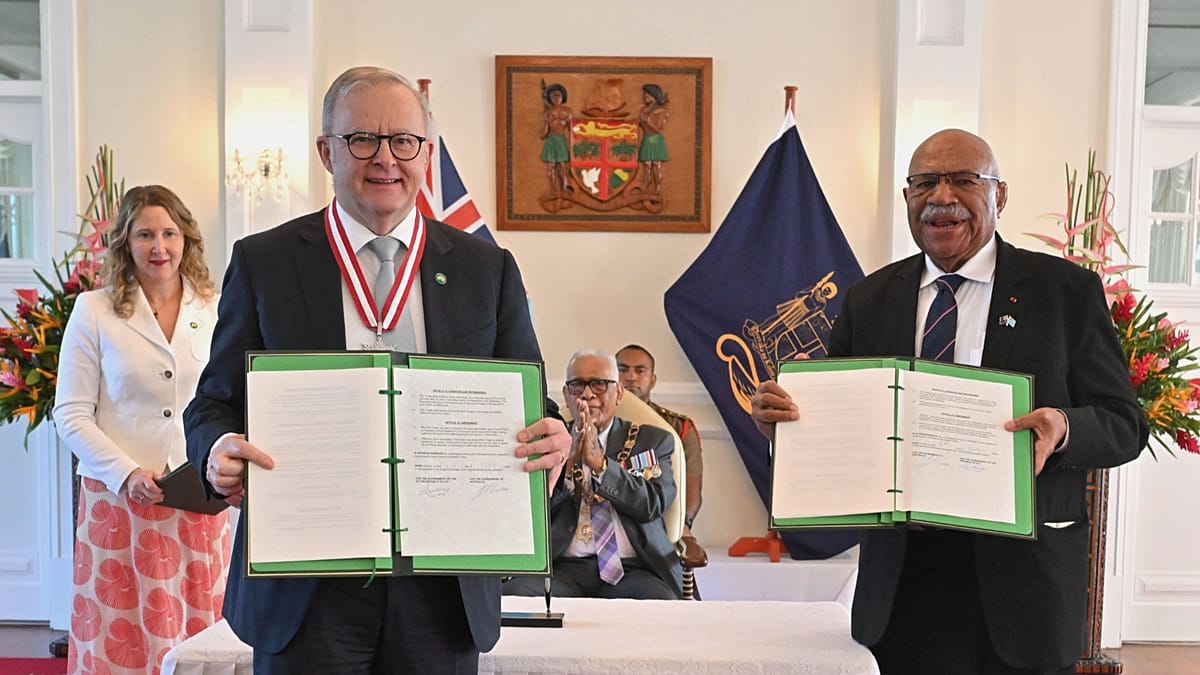
Australia and Fiji formalised a new bilateral defence alliance on Monday, marking a significant step in Canberra's efforts to bolster its security partnerships in the South Pacific. The Ocean of Peace Alliance, signed in Suva by Prime Ministers Anthony Albanese and Sitiveni Rabuka, introduces a mutual defence obligation between the two nations. This is Fiji's first such treaty and Australia's fourth, following pacts with the United States, New Zealand, and Papua New Guinea.
Alongside the defence agreement, the two leaders signed the Vuvale Union, an economic treaty under which Australia will invest over 1 billion Australian dollars (€606 million) in Fiji over the next decade. Albanese described the alliance as the highest form of commitment, stating, "There's no higher obligation than to come to each other's aid at a time of need."
China's Missile Test Raises Tensions
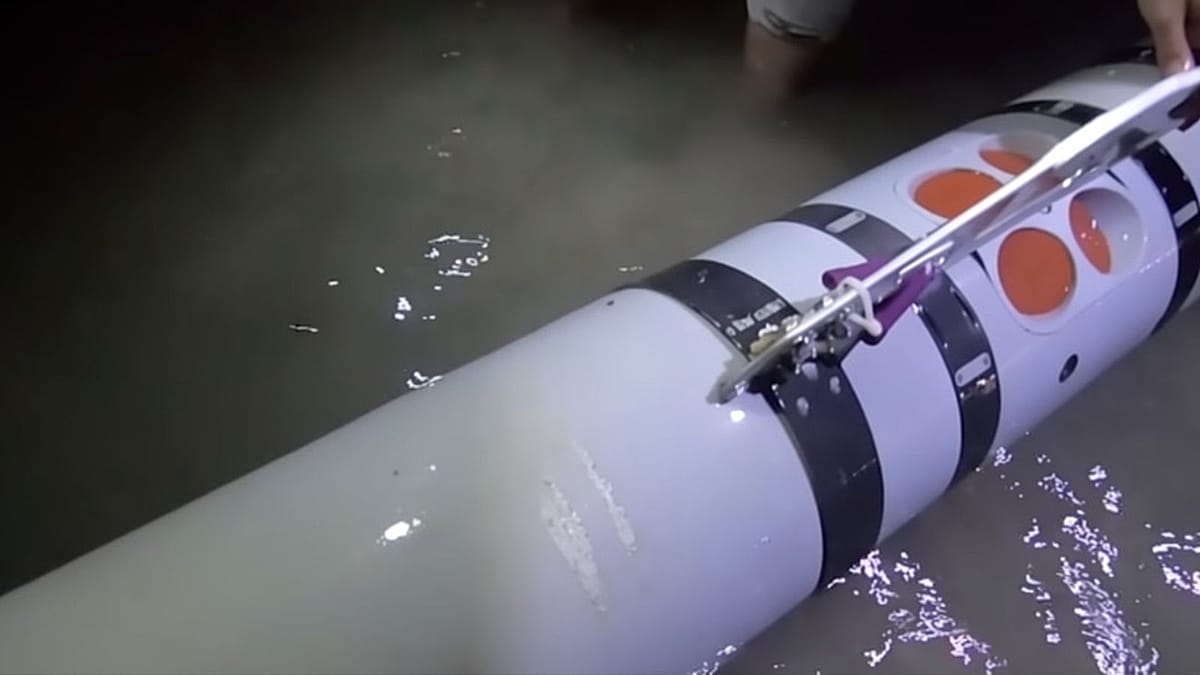
The signing occurred on the same day Chinese state media reported that a submarine had test-launched a long-range ballistic missile in the South Pacific, a move Australia criticised as destabilising. The missile, carrying a dummy warhead, was part of routine training, according to Xinhua News Agency. China last conducted a similar test in the region two years ago.
Australian Foreign Minister Penny Wong, present in Suva for the signing, declined to speculate on China's intentions but noted that Beijing had informed Canberra in advance. "Australia has been clear with China that we regard this as destabilising to the region," Wong said, adding that the test occurs amid a rapid military buildup by China lacking transparency.
Rabuka, meanwhile, downplayed the likelihood of a negative reaction from Beijing. "I do not expect China to have any severe pushback on either government," he said, emphasising that the new treaties do not threaten Fiji's or Australia's relationships with China.
Broader Pacific Strategy
Australia has been actively reinforcing its role as the region's preferred security partner since 2022, when China signed a secretive security pact with the Solomon Islands, sparking fears of a Chinese naval base in the South Pacific. Albanese is scheduled to travel to the Solomons on Tuesday to meet Prime Minister Matthew Wale, following an agreement to further discuss a security pact. Wale had indicated last month that his government would review the deal with Beijing.
On Wednesday, Albanese will host Papua New Guinea's Prime Minister James Marape and Tongan Prime Minister Fatafehi Fakafānua in Brisbane. The Australian defence treaty with Papua New Guinea, its nearest neighbour, takes effect that day.
Last week, Australia and Vanuatu finalised the Nakamal Agreement, a bilateral security and economic treaty that prevents China from establishing a military base in Vanuatu. Albanese signed the pact with his Vanuatuan counterpart, Jotham Napat, nine months after an earlier draft was rejected by Port Vila over concerns it would limit infrastructure investment.
These developments reflect a broader European interest in Pacific stability, as the EU has launched joint defence projects to boost cooperation and is preparing potential retaliation if China fails to meet an October trade deadline, as warned by Commission President Ursula von der Leyen. The EU's defence chief has also cautioned that budget cuts undermine security ambitions, highlighting the interconnected nature of global security challenges.
For Europe, the Pacific's strategic importance is growing, with implications for trade routes, maritime security, and the balance of power. As Australia deepens its alliances, the EU's own defence initiatives, such as those discussed in EU Commission Launches Five Joint Defence Projects to Boost Cooperation, underscore a shared need for coordinated responses to assertive actors like China.