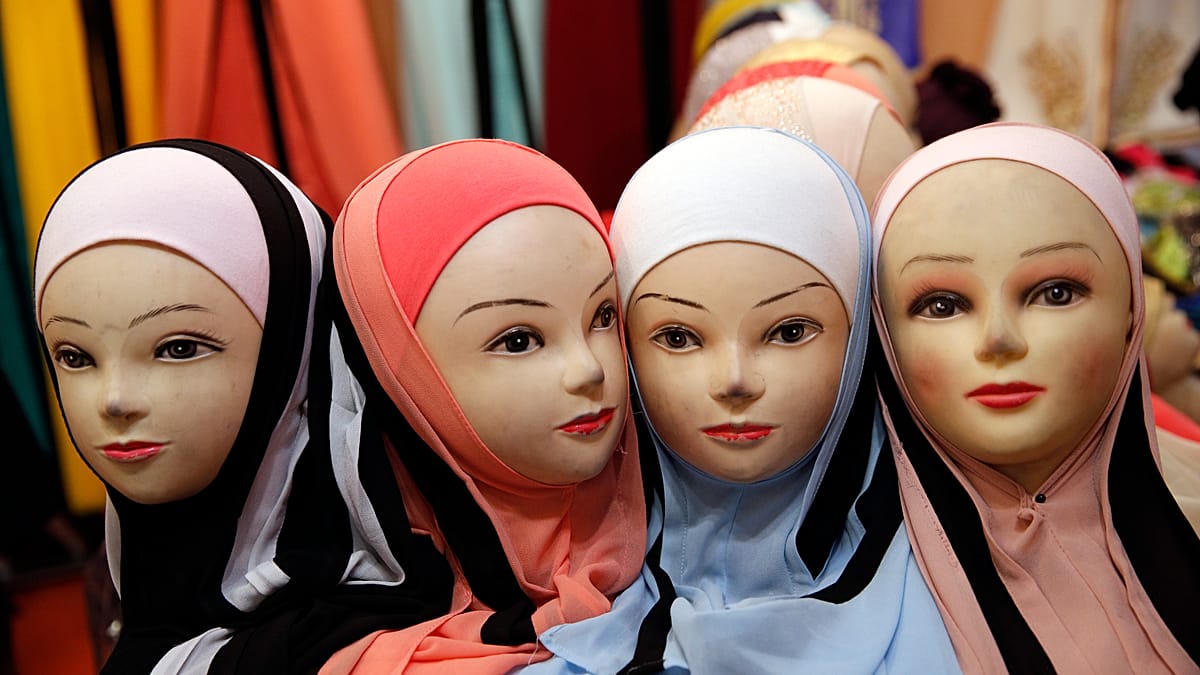
Since the start of the 2026/27 school year on 1 September, Austria has enforced a ban on headscarves for female pupils under the age of 14 in both state and private schools. The measure, which targets head coverings worn "in line with Islamic traditions," has reignited a fierce debate over religious freedom, child protection, and the role of the state in family matters.
Teachers' representatives report that the new rule has generally been implemented calmly and respectfully, but some schools have encountered conflicts and, in isolated cases, aggressive reactions. The law was controversial even before it came into force, with critics questioning its compatibility with freedom of religion and the principle of equality.
A legal history of headscarf bans
This is not Austria's first attempt to restrict headscarves in schools. In 2020, the Constitutional Court (VfGH) struck down an earlier ban that applied to primary school pupils up to the age of 10. That law prohibited religious or ideologically motivated clothing that covered the head, but the court found it violated the principle of equality and freedom of religion, noting that in practice it was primarily aimed at the "Islamic" headscarf.
The new law differs in its higher age limit, extending the ban to all pupils under 14. The government argues that the measure is necessary to protect children's development and their freedom to develop as individuals, shielding girls from potential family or social pressure to wear a headscarf. Integration Minister Claudia Plakolm has pointed to cases of threats within families, both to wear and to remove the headscarf.
The VfGH has not yet ruled on whether this revised justification and the new design of the ban address the constitutional concerns raised previously. A new application to strike down the law has been filed, and the court is expected to examine the balance between religious freedom and equality.
Enforcement and penalties
Schools and teachers are responsible for enforcing the ban. If a teacher notices a pupil wearing a headscarf, they must first ask the pupil to remove it. If the pupil refuses, further discussions take place, and the education authority may be involved. Only at later stages can administrative penalty proceedings be initiated.
Parents or guardians who repeatedly allow their children to wear headscarves despite the ban could face fines ranging from €150 to €800. Teachers' union representatives have criticised this obligation, warning that it places teachers in a monitoring role that goes beyond their educational duties.
Reports of threats and refusal to attend school have also emerged. There are indications of isolated cases of pupils not attending lessons or doing so irregularly because of the ban, though no official statistics are yet available.
Supporters and critics weigh in
Supporters of the new rules argue that girls at this age are particularly dependent on their families and could be exposed to considerable social or religious pressure. They contend that the ban helps protect children from being forced into religious practices before they can make their own informed choices.
Critics, however, question whether a state ban truly strengthens the self-determination of the pupils concerned. A girl who wishes to wear a headscarf "of her own conviction" can no longer follow through with that decision at school because of the ban. Education experts have also raised concerns about potential loyalty conflicts for children if parents insist on wearing a headscarf while the school demands its removal.
Psychologist Christiane Spiel warned on ORF that such conflicts could place children in a difficult emotional position, torn between family expectations and school rules.
The debate in Austria is part of a broader European conversation about religious symbols in public spaces. Similar restrictions exist in France, where headscarves are banned in schools, and in other countries, the issue remains contentious. As the VfGH prepares to consider the new challenge, the outcome will be closely watched across the continent.
For now, the law remains in force, and schools are navigating the practical challenges of implementation. The coming months will likely see further legal and social fallout, as Austria grapples with the delicate balance between protecting children and respecting religious freedom.