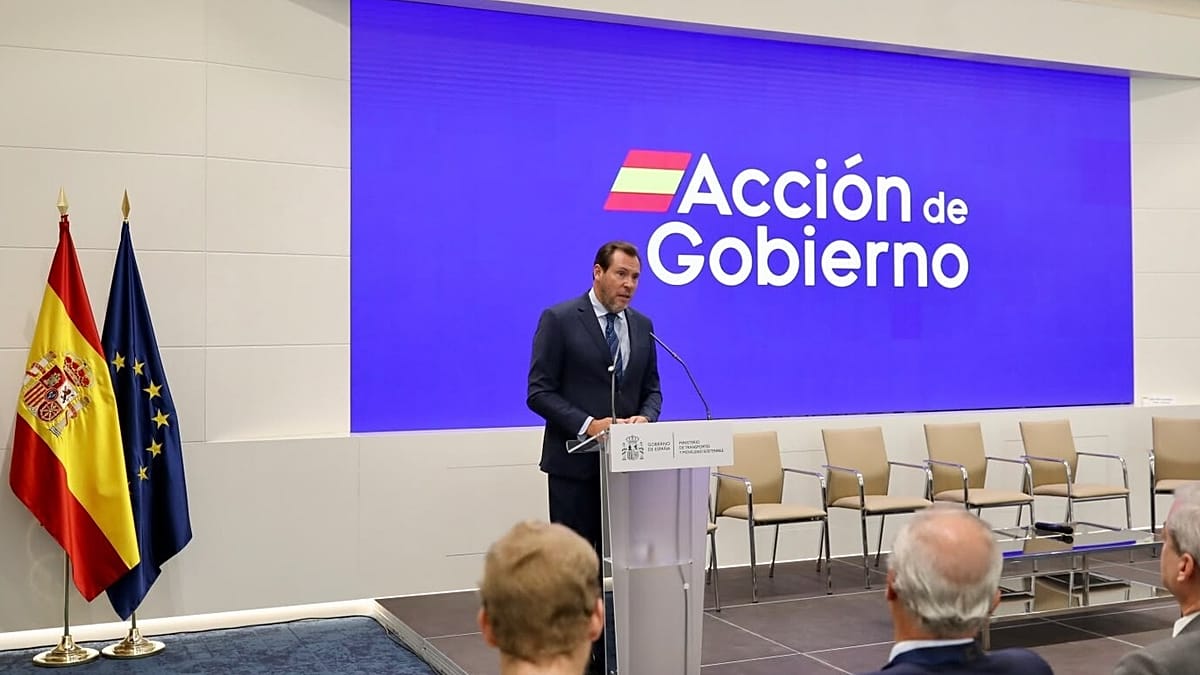
Spain's transport minister, Óscar Puente, has said that an “inexplicable” decision by a central control centre in Madrid is at the heart of the investigation into Wednesday's high-speed train crash in Castilla-La Mancha, rather than the actions of the train drivers. At least 68 people died and 58 remain in hospital, according to regional authorities.
Puente told reporters that an order from the control centre allowed the Renfe-operated AVE train to resume normal running after a safety system failed. He stressed that the drivers were not to blame and that the investigation is now examining how that decision was made.
Sequence of events
According to the minister, at around 8:30 am the LZB safety system failed along a 63-kilometre stretch of track due to a computer malfunction, automatically bringing around six trains to a halt. The control centre then took over management of traffic on the line.
At 8:36 am, the AVE high-speed train was authorised to resume normal running despite a red signal remaining active. It travelled about 25 kilometres before colliding with a stationary Iryo train at around 8:53 am.
Puente said the AVE should instead have been operating under the “marcha a la vista” procedure, a railway safety measure used when automated control systems fail. Under that procedure, trains must travel at reduced speed so drivers can stop if they encounter an obstacle or another train on the line.
Authorities are still examining data to establish the train's exact speed before the collision, although Puente said it could have reached up to 200 kilometres per hour on that section of track.
National mourning
Prime Minister Pedro Sánchez said that “the whole of Spain is in mourning” following the accident and expressed his solidarity with the victims, their families and the injured. He announced three days of national mourning.
Sánchez said the government's immediate priority was to care for victims and their relatives, locate survivors and ensure those affected received material and psychological support. He also praised the work of emergency and Civil Protection services and the coordination between authorities involved in the response.
The prime minister warned that if failures in the safety systems were confirmed, the government would respond firmly.
The crash has renewed scrutiny of Spain's high-speed rail network, which is among the most extensive in Europe. Rescuers combed mangled wreckage near Toledo for hours, and aerial footage revealed the scale of the disaster. The incident also echoes a deadly train collision south of Madrid that killed at least ten people, raising questions about oversight and safety protocols.
As the investigation continues, the focus remains on the control centre in Madrid and the decision that allowed the AVE to proceed under a red signal. Puente described the incident as “one of the toughest moments anyone can face” and expressed his solidarity with the victims.