The European Commission has given the green light to Hungary's €5.4 billion loan application under the Security Action For Europe (SAFE) programme, marking the official conclusion of the first round of the bloc's flagship defence financing initiative. The decision, announced on Tuesday, brings the total allocated in this round to €129 billion across 19 member states, drawn from a €150 billion envelope.
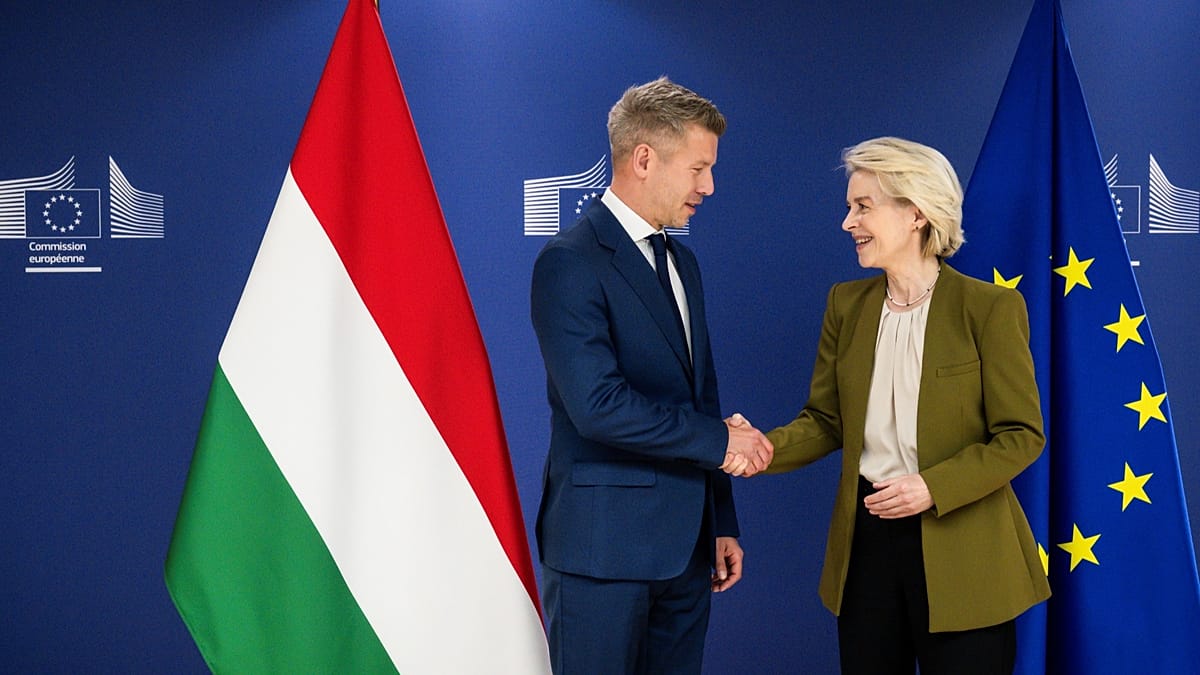
Hungarian Prime Minister Péter Magyar had trimmed the original request from €16.4 billion to €5.4 billion after taking office in April, with the revised application submitted in late September. The reduction was reportedly driven by concerns over corruption risks linked to the previous government, a topic that has been a recurring theme in Budapest's political discourse. Magyar's administration has sought to distance itself from the practices of its predecessor, and the smaller loan request reflects that shift.
Before the funds can be disbursed, the loan agreement must still be approved by EU governments, after which representatives from Brussels and Budapest will sign the final contract. The Commission's spokesperson, Thomas Reginer, confirmed that more than €21 billion remains in the SAFE funding pool, which will be opened for a second round of applications.
Next steps and member state interest
Member states will be invited to express interest in taking on additional loans or entirely new ones by December. The Commission will then assess the proposals and allocate funds based on strategic priorities. Ireland, which did not participate in the first round, has already signalled its intention to join the second. Defence Minister Helen McEntee said in October that Dublin is keen to take part, stating: “I’ve made that ambition very clear.”
The SAFE programme is a cornerstone of the European Commission's ReArm Europe 2030 plan, which aims to accelerate defence orders, secure supply chains, and boost manufacturing capacity. It encourages joint procurement and greater industrial cooperation across the continent, with a focus on capabilities such as ammunition, drone and anti-drone systems, air defence, military mobility, and electronic warfare. The 2030 deadline is significant, as intelligence agencies across Europe have identified that year as a potential window for Russian aggression against NATO territory.
To qualify for SAFE funding, at least 65% of the component costs must originate from the EU, Ukraine, or countries in the European Economic Area and the European Free Trade Association. The remaining 35% can come from any third country, allowing for some flexibility in sourcing.
The approval of Hungary's loan comes amid a broader reset in EU-Hungary relations, as Brussels and Budapest seek to mend ties after years of friction over rule-of-law issues and foreign policy. The Budapest reset has been a key theme in recent diplomatic exchanges, and the defence loan is seen as a tangible step in that process. However, challenges remain, as highlighted by the sparse EU leadership at Hungary's 1956 commemoration earlier this year.
The first round of SAFE allocations has been widely praised as a success, but the programme's long-term impact will depend on the second round and the ability of member states to deliver on their commitments. With over €21 billion still available, the Commission is expected to push for more ambitious projects, particularly in areas where Europe's defence industrial base remains fragmented. The EU defence chief's warning about fuel shortages in a potential conflict underscores the urgency of building resilient supply chains.
As Europe accelerates its defence integration, the SAFE programme represents a significant shift towards collective security. The coming months will reveal which countries step forward for the second round and how effectively the funds are translated into tangible military capabilities. For now, the completion of the first round marks a milestone in Europe's efforts to bolster its defence readiness in the face of evolving threats.