The French Senate has approved a controversial bill that would require protesters to compensate the state for damage caused during demonstrations, with fines reaching up to €10,000. The measure, passed by 229 votes to 105, was backed by the right-wing and centrist alliance that holds a majority in the upper house.
The legislation now moves to the National Assembly, where the political landscape is more fragmented. Its fate there remains uncertain, as lawmakers from across the spectrum have expressed reservations about the bill's scope and potential consequences.
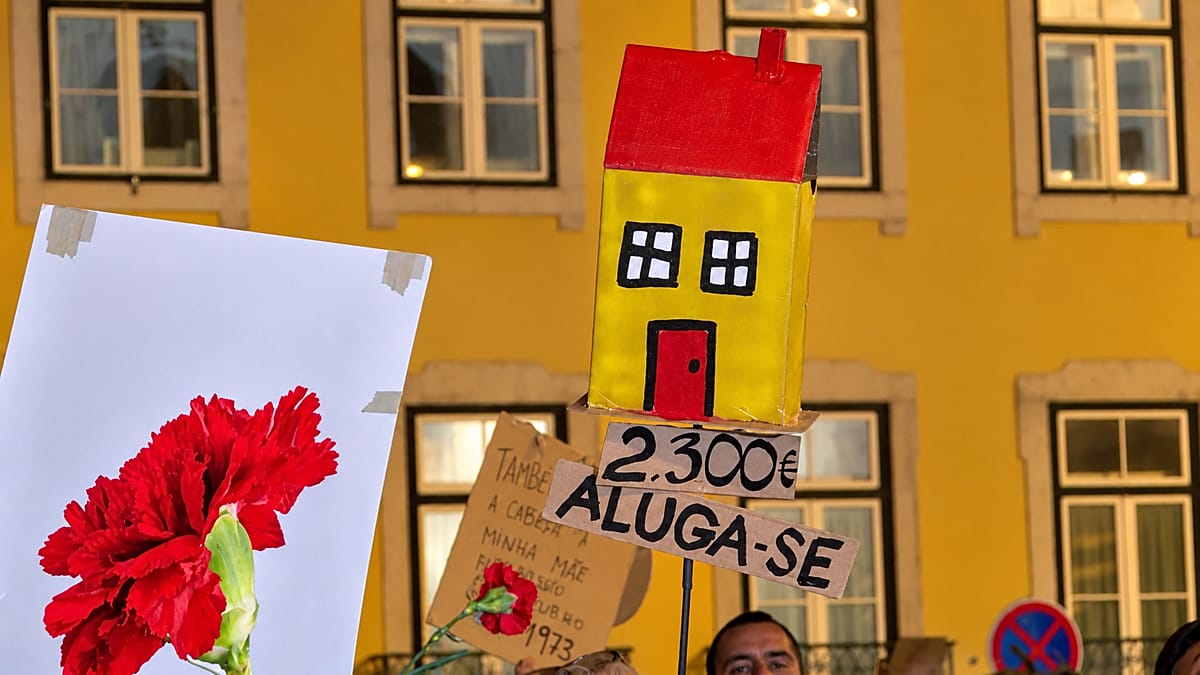
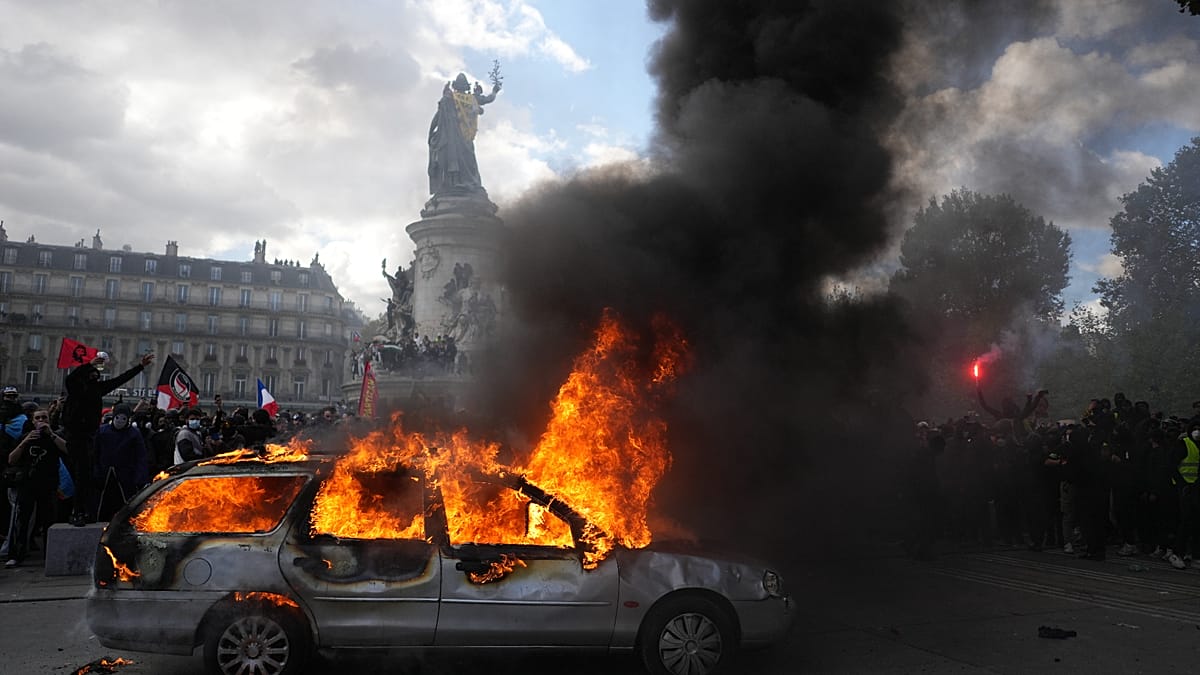
The bill was initially introduced in response to the riots that erupted in Paris after Paris Saint-Germain's victory over Arsenal in the UEFA Champions League final in May. However, it has gained renewed urgency following the violent protests on 17 October, when demonstrations over inequality and rising prices spiraled into chaos, leaving thousands of businesses damaged or looted.
Speaking in the Senate, Interior Minister Laurent Nuñez stressed the need for swift action. "We can no longer allow the vast majority of our fellow citizens to pay for a minority of vandals," he said, referring to the widespread destruction seen during the October unrest.
Critics warn of unintended consequences
Opponents of the bill argue that it could unfairly penalize individuals who did not personally commit acts of vandalism. Under the proposed law, anyone found to have knowingly participated in a group formed to cause damage could be held financially liable, even if they did not directly engage in destructive behavior.
Left-wing lawmakers and human rights organizations have also raised alarms about a provision that would allow welfare benefits and housing assistance to be seized to cover the fines. Amnesty International warned that the measures could push "already marginalised families further into poverty."
The bill's critics point out that many protesters are already struggling to make ends meet, and that imposing such heavy financial penalties could deter legitimate forms of protest. They argue that the law risks silencing dissent and disproportionately affecting vulnerable communities.
France is not alone in tightening its response to protest-related violence. In Italy, a new security decree has introduced tougher penalties for violent demonstrations, including prison sentences of four to twelve years for those who organize groups involved in violent protests. The trend reflects a broader European debate about how to balance public order with the right to protest.
As the bill heads to the National Assembly, its future is far from certain. The government will need to navigate a deeply divided chamber, where some lawmakers are pushing for amendments to narrow the bill's scope, while others are calling for even stricter measures. The outcome will be closely watched by civil liberties groups and protest organizers across Europe.