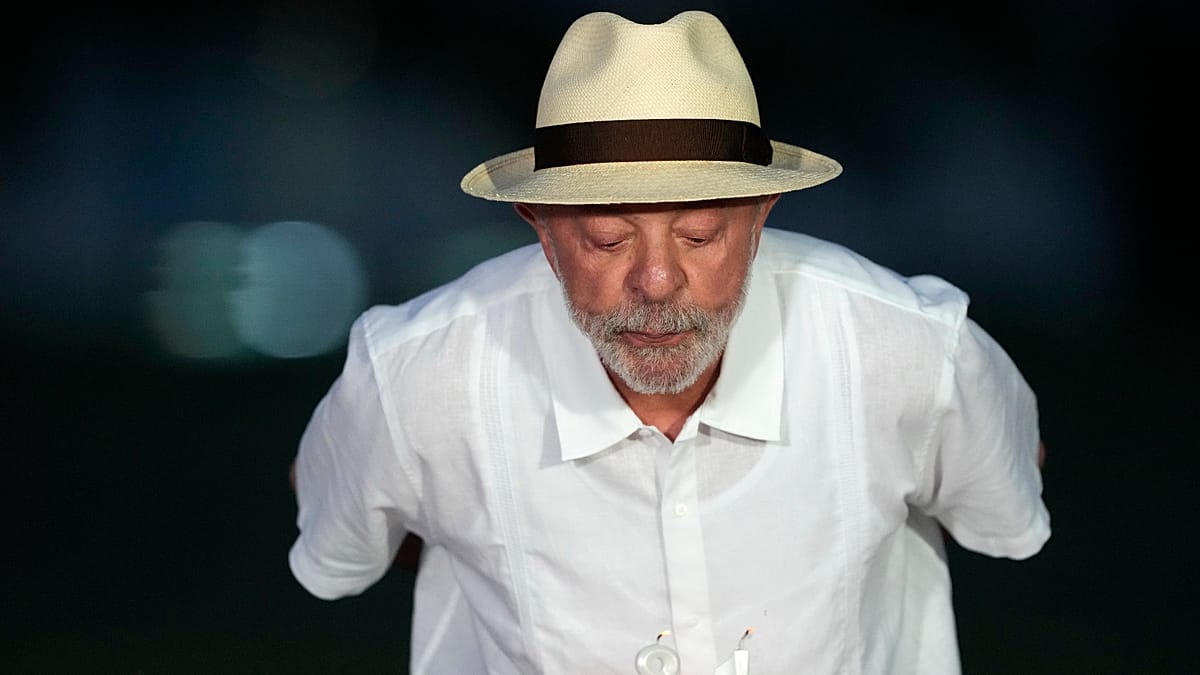
Brazil's re-elected President Luiz Inácio Lula da Silva marked his 81st birthday on Tuesday, 27 October, with dozens of supporters gathered outside the Alvorada presidential palace in Brasília. The celebration came just two days after he secured a narrow victory in a fiercely contested election, a result that has drawn attention across the Atlantic.
Lula, a towering figure in Latin American politics, waved to the crowd and briefly addressed them, thanking Brazilians for their support. The scene outside the palace was festive, with birthday cakes, banners, and chants of "Lula, Lula" echoing through the esplanade. For many of his followers, the moment symbolized resilience: a leader who has weathered political storms and health challenges, returning to the presidency after a turbulent period.
A victory with global resonance
The election outcome has implications far beyond Brazil's borders. As the largest economy in Latin America and a key player in global climate and trade negotiations, Brazil's direction matters to European capitals. Brussels, Berlin, and Paris have all watched the campaign closely, particularly given Lula's pledge to reinvigorate the Amazon protection agenda and re-engage with the European Union on trade deals.
European leaders were quick to congratulate Lula on his victory. Ursula von der Leyen, President of the European Commission, called for a renewed partnership, emphasizing shared goals on climate action and sustainable development. The German government, through a spokesperson, expressed hope for closer cooperation on environmental issues, while France's Élysée Palace noted the importance of the EU-Mercosur agreement, which has stalled in recent years.
Lula's return also raises questions about geopolitical alignments. His previous tenure (2003–2010) was marked by strong South-South diplomacy, but also by pragmatic relations with both Washington and Beijing. European policymakers will be watching to see whether his new term brings a more assertive Brazilian voice in global forums, from the G20 to the UN climate summits.
Domestic challenges ahead
At home, Lula faces a deeply polarized society. The election results revealed a country split almost evenly, with his opponent, Jair Bolsonaro, still commanding significant support. The narrow margin means Lula will need to govern with an eye toward unity, yet his base expects swift action on social programs, economic recovery, and environmental enforcement.
Economic analysts in São Paulo and Rio de Janeiro note that the new government must tackle inflation, fiscal deficits, and a sluggish growth outlook. Lula has promised to expand social welfare and invest in infrastructure, but financing these plans will require tough negotiations with a fragmented Congress. European investors, who have significant stakes in Brazilian agribusiness and energy, are watching these fiscal signals closely.
The birthday celebration, while personal, also served as a political statement. By appearing before supporters just days after the vote, Lula signaled energy and determination, countering narratives of his age being a liability. At 81, he is among the oldest heads of state in the Americas, but his political stamina remains formidable.
International observers, including those in European think tanks, have noted that Lula's victory could reshape regional dynamics. His relationships with leaders in Argentina, Chile, and Colombia may revive the kind of regional integration that was less prominent under Bolsonaro. For Europe, a more engaged Brazil could mean stronger cooperation on issues like migration, trade, and the fight against disinformation.
As the birthday festivities wound down, Lula's team signaled that the transition process would begin in earnest. The president-elect is expected to name key cabinet members in the coming weeks, with a focus on balancing political factions and technical expertise. European diplomats in Brasília are already scheduling meetings to discuss priorities, from climate finance to digital regulation.
For now, the image of Lula celebrating his 81st birthday outside the Alvorada palace serves as a reminder of his improbable political comeback. Whether he can translate that personal resilience into effective governance remains the central question for Brazil—and for its partners in Europe and beyond.