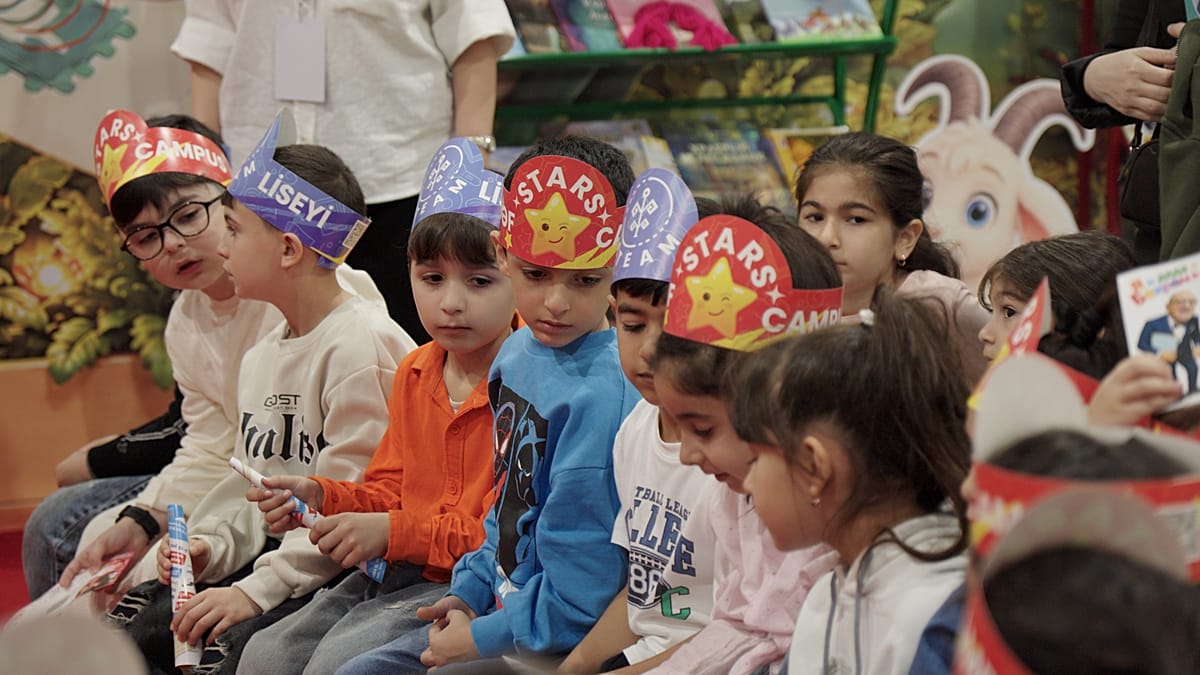
For centuries, Baku has been a meeting point of cultures, and its literary scene reflects that heritage. From the medieval poetry of Nizami Ganjavi to contemporary novels, the Azerbaijani capital has long been a crossroads for storytelling. This October, the 12th Baku International Book Fair once again turned the city into a hub for literary exchange, drawing participants from 32 countries.
The fair was more than a showcase of new titles. It was a space to explore how literature connects people across languages, generations, and geography. In an era when digital media is reshaping how stories are told and consumed, the event also raised questions about the future of the book as a cultural cornerstone.
A legacy of cross-cultural storytelling
Azerbaijan's literary traditions are deeply rooted in its position between Europe and Asia. The 12th-century poet Nizami Ganjavi, born in what is now Azerbaijan, became a towering figure in the Persian-speaking world, with his works traveling far beyond his homeland. Centuries later, writers like Muhammad Fuzuli enriched a tradition that drew from multiple languages and influences.
This heritage provides a backdrop for the country's modern engagement with international literature. Translation, publishing partnerships, and literary festivals help stories reach audiences far beyond their places of origin. For Iranian novelist Parinoush Saniee, literature offers a way to examine the relationship between individuals and the societies they live in.
Her acclaimed novel The Book of Fate follows an Iranian woman through decades of personal and political upheaval, touching on themes of identity, family, and the expectations placed on women. Saniee initially thought her work would only resonate regionally, but the global response surprised her.
“The first translation of my book was into Italian,” Saniee recalled. “When I saw all that reception and various journalists came from different places, I asked them what was interesting about the book for you. They said it was close to us. We also had such experiences. It was very relatable.”
Although rooted in Iranian society, the novel's questions transcend borders. It became a bestseller in Norway, proving that universal themes of suffering and endurance can travel seamlessly. “Human suffering, lifestyles, issues, and problems are overall very impactful for humanity, and we all understand it,” Saniee said. “Therefore, it doesn't matter where it is from.”
Reaching younger minds
British author Darren Simpson approaches storytelling through the imagination of younger readers. Known for novels like Scavengers and The Memory Thieves, he creates unusual worlds that explore friendship, belonging, and the challenges of growing up. Simpson believes that human emotion allows stories to cross borders effortlessly, noting that children everywhere seek the same things from a narrative.
“When I see children from all around different countries connect to my stories in the same way, it speaks to me about the universal nature of a lot of feelings about people's needs and their desire to connect,” Simpson explained.
His work highlights the importance of children's literature at a time when young people have unprecedented access to digital entertainment. Yet he was struck by the passion of young readers in Azerbaijan. “I have been struck in Azerbaijan by how much passion there is here in the young readers,” he added.
Championing local voices
Alongside international guests, the fair celebrated Azerbaijani writers who are shaping the country's contemporary literary identity. Reyhan Yusifgizi, a prominent voice in Azerbaijani children's science fiction, brings a background in computer science to her writing. She argues that cultivating reading habits in a digital age requires a two-step approach.
“First, this depends on the author,” Yusifgizi said. “They must write well, write in a modern way. With simple language, they must interest the child.” She stressed that the second factor is equally important: creating an environment where reading is encouraged and valued.
The Baku fair, which has run for over a decade, is part of a broader effort to position Azerbaijan as a cultural bridge between Europe and Asia. As the country invests in its ancient heritage and modern infrastructure, literary events like this one help sustain a dialogue that spans continents.
For writers like Saniee and Simpson, the fair reinforced a simple truth: stories have the power to make the unfamiliar feel familiar. Whether through the eyes of an Iranian woman or a child in a fantastical world, fiction offers readers a window into lives different from their own. And in a world of increasing division, that connection matters more than ever.