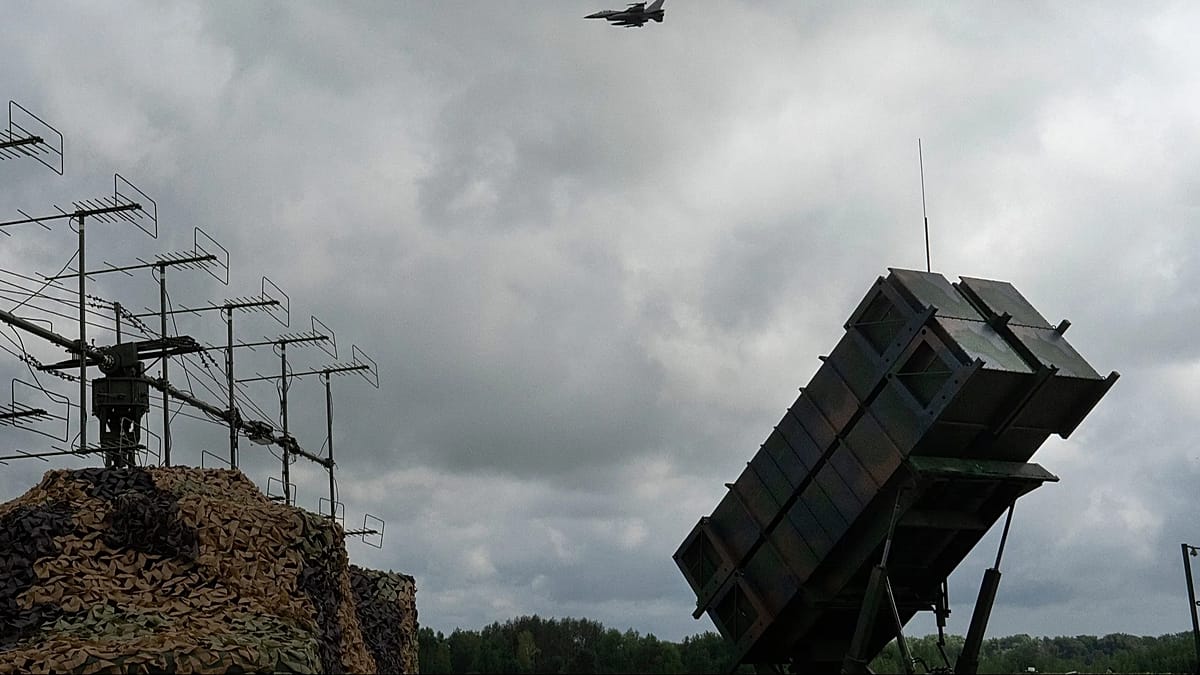
Ukrainian President Volodymyr Zelenskyy has expressed gratitude for Washington's approval of a major air-defence package, but he cautioned that the missiles may not arrive in time to counter Russia's winter campaign. The US State Department on Friday gave the green light to a $2.1 billion sale of 500 Patriot PAC-3 interceptors, a system Kyiv has long sought to protect its cities and critical infrastructure from Russian missile and drone strikes.
In a social media post, Zelenskyy called the decision a "strong step" and noted that the interceptors could form a highly effective shield if delivered promptly. "Five hundred PAC-3 interceptors is a substantial number, and very soon – this winter – they COULD make for a highly effective defence package," he wrote. However, he added that "deliveries may begin ONLY IN A FEW YEARS," and urged American partners to find a way to expedite the process.
A race against winter
The urgency reflects the approaching cold season, when Russia has historically targeted Ukraine's power grid in an attempt to break civilian morale. Kyiv has repeatedly asked for more interceptors, and the recent months have seen an increase in Russian missile attacks as Ukrainian stockpiles dwindle. Analysts warn that without additional supplies, the coming months could be especially harsh for Ukrainians.
Zelenskyy also revealed that he had been waiting for nearly a month for US Defence Secretary Pete Hegseth to sign off on a batch of missiles for both the Patriot and NASAMS systems. The delay has frustrated Ukrainian officials, who argue that every week of waiting costs lives and infrastructure.
In his overnight address, Zelenskyy proposed a pragmatic solution: "The United States, our European partners, and other partners around the world have sufficient stocks of PAC-3 interceptors in their warehouses. Providing them to Ukraine right now – in the winter of 2026–2027 – and replenishing our partners' arsenals LATER, in THE FOLLOWING YEARS, through this production already contracted and paid for by Ukraine and our partners would be the right approach."
The Patriot system is among the most advanced air-defence platforms in existence, capable of intercepting aircraft and ballistic missiles. Ukraine receives most of its Patriots through NATO's Prioritised Ukraine Requirements List (PURL) initiative, which facilitates purchases from the US by allies and partners. This mechanism has been crucial in channelling military aid to Kyiv, but the pace of deliveries has often lagged behind battlefield needs.
The announcement comes amid broader concerns about the reliability of Western support. Some NATO allies have feared that political dynamics in Washington could delay Patriot deliveries, and Zelenskyy's public pressure on Hegseth reflects that anxiety. Earlier this week, he pressed the US defence secretary to approve the missiles after a month of silence.
European leaders have also voiced support for accelerating deliveries, with several countries pledging additional air-defence systems. However, the logistical and production challenges remain significant. The PAC-3 interceptors are manufactured in limited quantities, and global demand has surged since the start of the war.
For now, Kyiv is hoping that the promised missiles will arrive sooner rather than later. As winter sets in, the resilience of Ukraine's energy grid and the safety of its civilians may depend on the speed of Western decision-making. Zelenskyy's message is clear: the weapons are needed now, not in a few years.