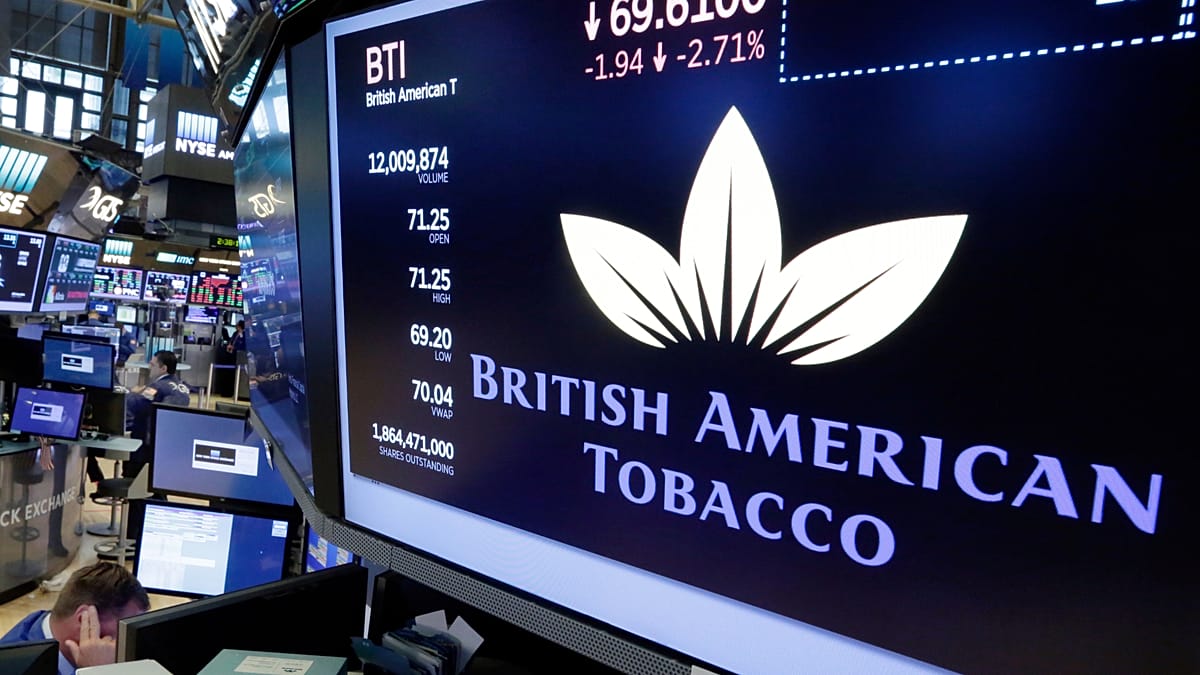
British American Tobacco (BAT), the London-listed owner of Lucky Strike and Dunhill, announced on Monday that it will eliminate 5,500 positions worldwide and outsource approximately 3,500 additional roles to third-party contractors. Combined, the measures touch roughly 9,000 employees—close to a fifth of the company's 47,000-strong workforce.
The restructuring, which BAT says will save £600 million (€695 million) annually by 2028, is part of a broader push to cut costs and refocus the business on next-generation nicotine products. The overhaul spares the United States, BAT's single largest market, which operates through its Reynolds American subsidiary.
Pivot to Smokeless Products
Like its rivals, BAT is confronting a steady decline in traditional cigarette sales across Europe and other mature markets, driven by stricter regulations and growing health awareness. The company has staked its future on what it calls "smokeless" alternatives: the Vuse vaping brand, glo heated-tobacco devices, and Velo nicotine pouches. It has set a target of generating half its revenue from these newer lines by 2035.
However, the transition has been far from smooth. In the United States, a lengthy regulatory approval process has delayed the rollout of new nicotine products, constraining sales in the market that matters most to the group. The company's CEO, Tadeu Marroco, framed the job cuts as part of building a "more agile, cost-disciplined and technology-enabled" company, adding that BAT is committed to supporting affected staff "with care and respect."
The savings target announced on Monday comes on top of £500 million (€580 million) in cuts that BAT had already pencilled in for 2027. Part of the outsourced work is set to go to consulting firm Accenture, which will help streamline operations and accelerate product development.
Market Reaction and Analyst Views
Investors gave the news a muted reception. BAT shares slipped around 2.5% halfway through Monday's trading session in London. Analysts at Barclays noted that while the productivity drive had been signalled earlier in the year, the sheer scale of the reductions could still catch the market off guard.
Russ Mould, investment director at AJ Bell, issued a wider warning, saying BAT is the latest company to lean harder on technology to run its operations and launch products faster. The move echoes broader trends in European industry, where firms are increasingly turning to automation and outsourcing to cut costs amid AI-driven shifts in market dynamics.
BAT's restructuring also reflects the challenges facing the tobacco industry as it navigates a delicate transition. While vaping and nicotine pouches offer a path to growth, they face their own regulatory hurdles and public health scrutiny. In Europe, the European Union's Tobacco Products Directive and national laws in countries like France and Germany impose strict limits on advertising and product composition.
The company's decision to spare its US operations highlights the importance of that market, but also underscores the uneven pace of regulatory approval across jurisdictions. In the UK, where BAT is headquartered, the government has taken a more permissive stance toward vaping as a harm-reduction tool, while other European capitals remain cautious.
For now, BAT is betting that cost-cutting and a sharper focus on smokeless products will restore investor confidence. Whether the strategy pays off depends on how quickly regulators in key markets—especially the US and the EU—clear the way for new products, and whether consumers embrace them as alternatives to traditional cigarettes.