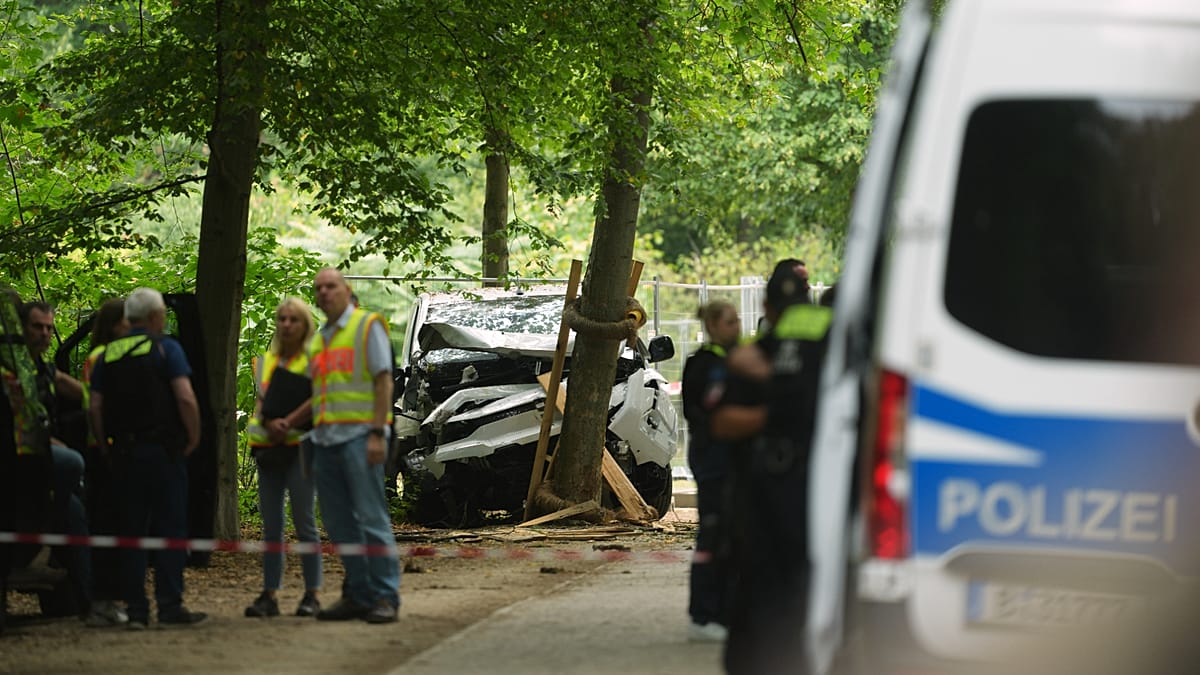
The deadly car attack at Berlin's Pride parade has sharpened scrutiny of Europe's fragmented approach to monitoring individuals with known ties to Islamist extremism. The suspect, 21-year-old Abdul Ballout, was on German police radar for years, yet no EU-wide database exists to track such individuals when they cross internal borders. The incident, which killed one woman and injured 29 others, has prompted renewed calls for a common European watchlist.
Ballout, a German citizen of Lebanese descent, had been convicted in 2022 for assault and robbery, and later sentenced to youth custody for preparing a serious act of violence and attempting to join the Islamic State in Syria. He was released after a Berlin juvenile court found insufficient grounds for pretrial detention, despite prosecutors appealing for a harsher sentence. Authorities had also searched his home earlier this month for weapons, finding only a toy gun. Before the attack, he was ordered into a deradicalisation programme, but the overseeing organisation concluded he had tried to deceive evaluators about his extremist views.
National systems, no European picture
Germany is one of the few EU member states that publishes detailed figures on Islamist extremism. The Federal Office for the Protection of the Constitution (BfV) estimates around 28,000 people are part of the Islamist extremist scene, but only a fraction—about 446 individuals—are classified as Gefährder, a German legal term for people deemed capable of committing a serious politically motivated crime. In Berlin alone, authorities have previously identified around 100 such individuals, though state-level figures are not always public.
Belgium maintains a national watchlist under its Terrorism, Extremism and Radicalisation Strategy (T.E.R.), which contained 529 entities as of July 2026, according to the Coordination Unit for Threat Analysis (OCAD). Of these, 446 are linked to Islamist extremism, with smaller numbers tied to right-wing, left-wing, and other extremist ideologies. An OCAD spokesperson told Euronews that inclusion does not imply a conviction, and each case undergoes an individual risk assessment to determine follow-up, which may include security measures or preventive support.
France operates the FSPRT watchlist, one of Europe's most transparent systems, containing several thousand individuals considered at risk of violent radicalisation. French authorities stress that being on the list does not automatically mean someone has committed a crime. Outside the EU, the UK's MI5 manages around 43,000 subjects of interest across all terrorism investigations, including Islamist and far-right extremism. The Netherlands publishes threat assessments without disclosing the number of individuals under monitoring.
Security experts caution that these figures are not directly comparable because they measure different categories—from broader extremist milieus to active intelligence investigations. Dr Raphael Bossong from the German Institute for International and International Affairs (SWP) noted that Germany's 446 Gefährder represent a narrow subset of potential attackers, while other countries' lists may include a wider range of individuals.
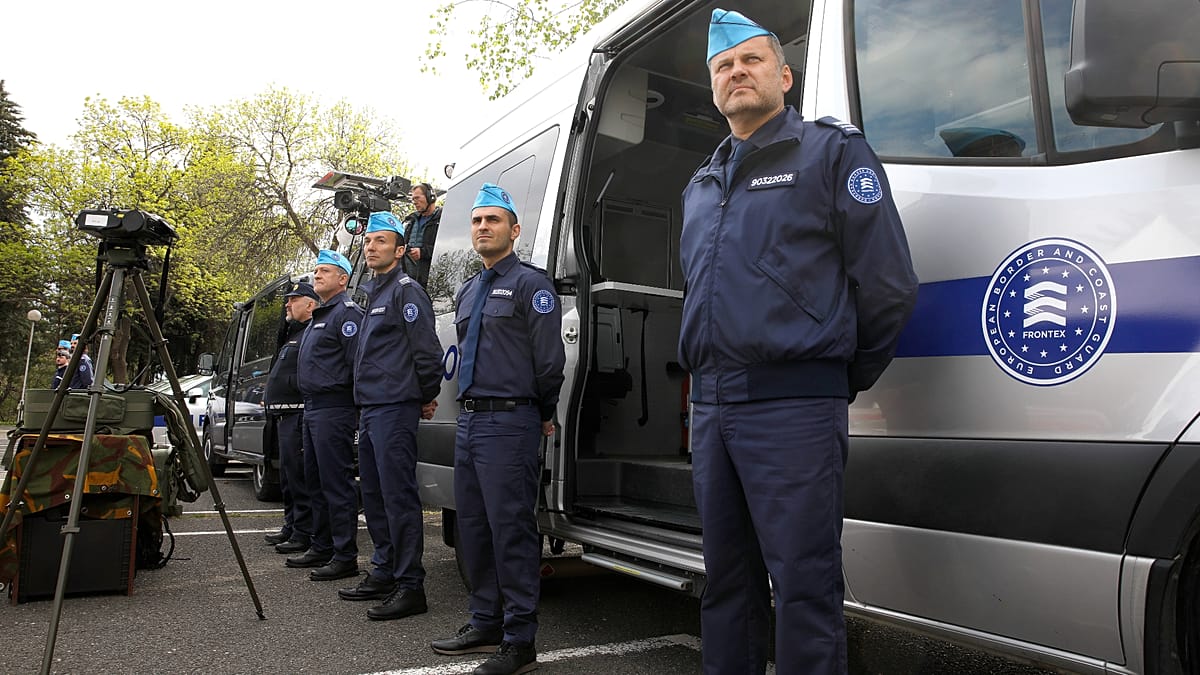
Europol officials told Euronews that intelligence and security services operate at the national level, with each country applying its own legal definitions, surveillance thresholds, and monitoring systems. There is no central EU register or official estimate of how many individuals with established links to terrorism are under surveillance across the bloc. This lack of a common database raises questions about cross-border monitoring, especially as suspects like Ballout can move freely within the Schengen area.
The Berlin attack has also reignited political debate. German Chancellor Friedrich Merz, in a statement following the incident, vowed to defend freedom and called for tougher measures against Islamist extremism. The attack has been linked to broader concerns about political Islam's threat to open societies, as discussed in analysis of the ideological dimensions of the event.
While some member states have called for greater EU-level coordination, others resist ceding control over national security. The European Commission has not proposed a common watchlist, citing legal and operational challenges. However, the attack has intensified pressure on Brussels to explore ways to harmonise threat assessments and improve information sharing among member states.
For now, Europe remains a patchwork of national systems, each with its own definitions and thresholds. The Berlin attack underscores the risks of this fragmentation, as a known extremist slipped through the cracks despite being on German authorities' radar. As the continent grapples with the aftermath, the question of whether a unified EU approach could prevent future tragedies remains unresolved.