The Philippines, an archipelago of more than 7,000 islands in Southeast Asia, has long been known for its white-sand beaches and diving spots. But beyond the capital Manila, the country is now courting travellers with a richer menu: slow food, cultural festivals, and lesser-known islands that are quietly earning global recognition.
Speaking at World Travel Market in London, Marga Nograles, chief operating officer of the Tourism Promotions Board Philippines, described the country as tropical and welcoming in every season. “There is an authentic experience for every traveller at any time of the year,” she said. From December to May, whale watching is possible in four destinations, and the same period offers ideal conditions for island hopping and visits to award-winning beach resorts.
For adventure seekers, Nograles recommended Siargao Island from September to January, when waves can reach around nine feet. “We have many surfers coming into the Philippines at that time,” she said. “That is also the best for canyoneering and doing the sardine run.”
Hidden gems beyond the capital
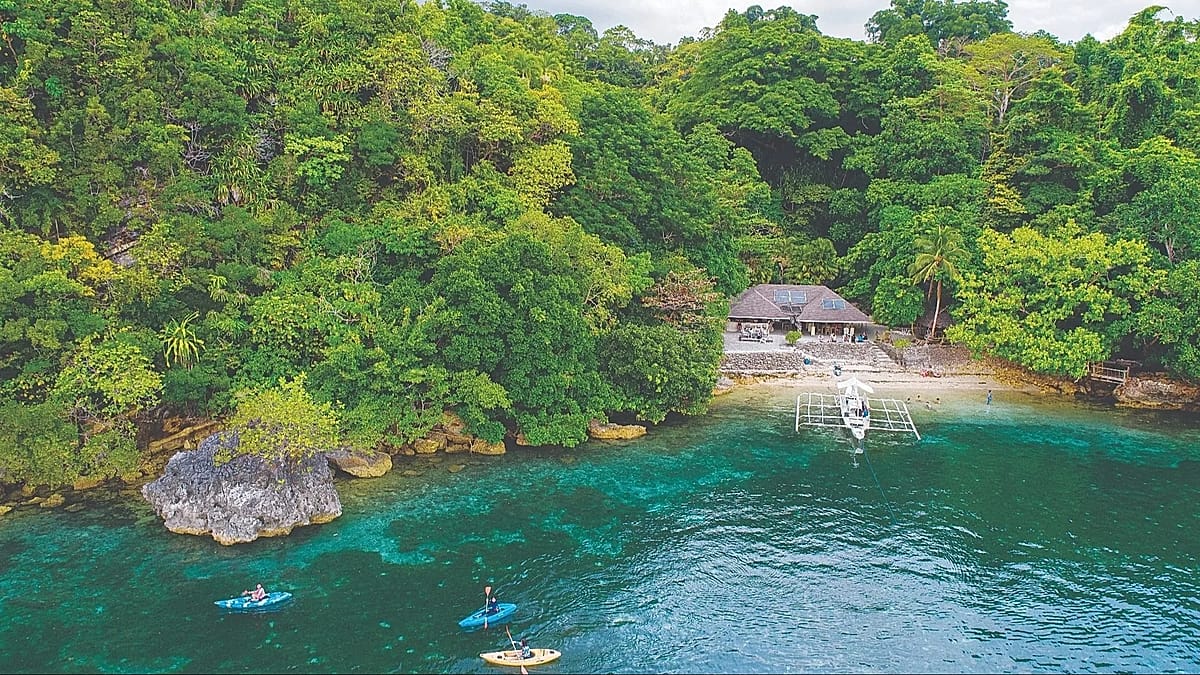
Nograles highlighted Siquijor, one of the country’s smallest provinces, as a hidden gem. “Siquijor remains one of our hidden gems, with beautiful beaches, waterfalls, and rich local tradition,” she said. The island offers white sand beaches, crystal-clear waters, and rich marine biodiversity. Visitors can go kayaking, trekking, or snorkelling in the Caticugan Marine Protected Area.
In Pampanga, she pointed to Clark as an accessible getaway with “rich history, exciting culinary culture, and growing leisure opportunities.” Meanwhile, Camiguin—an island home to 14 volcanoes—was recently listed in The New York Times’ 52 Places to Go in 2026, making it the only Philippine province to earn that distinction. “Its volcanic landscapes, waterfalls and natural springs make it a wonderful destination for nature and adventure,” Nograles said.
Food tourism: where to eat
Iloilo City, nicknamed the “heart of the Philippines,” was named a UNESCO Creative City of Gastronomy in 2023 and is home to more than 300 restaurants. “It’s very interesting to come visit because their cuisine is heavily inspired by the culture and traditions of that city,” Nograles said. UNESCO recognised Iloilo for its “fiesta” culture and festive banquets. Since 2021, the province has held Timplada, an event showcasing local cuisine, including educational activities focused on Iloilo’s culinary heritage.
Bacolod, on Negros Island, became the first international Slow Food Hub in Asia and the Pacific, according to the Slow Food Foundation. “Bacolod City is a slow food hub in Asia and the centre for sustainable gastronomy,” said Nograles. “Negros Occidental also is the organic capital of the Philippines.” She recommends visiting Carbin Reef, a sandbar where visitors can sample kinilaw—a traditional Filipino dish of raw fish marinated in vinegar, diced and served with tomato, red onions, ginger, and lemon zest.
Colourful celebrations of faith, flowers, and harvest
The Philippines hosts more than 40,000 festivals each year, and Nograles highlighted three not to miss. The Sinulog in Cebu is a celebration of faith honouring the Señor Santo Niño (the Holy Child Jesus). “During this time, the whole city stops because everyone is celebrating in the streets. They take out their boats. And everyone has their face painted. The energy is unlike any other,” she said.
In Davao, the Kadayawan Festival marks the harvest season with concerts, street dancing, and the freshest local fruits. “There are different concerts, also street dancing,” she said. “[There are] also the freshest fruits around that time so, we also get a lot of visitors coming in – so it would be nice to come visit and try the fruits of the south of the Philippines.”
Further north, the month-long Panagbenga Festival celebrates flowers. “That is a celebration of the flowers,” she said. “So all kinds of flowers are in bloom up the mountains during that time.”
For European travellers seeking a destination that combines nature, culture, and gastronomy, the Philippines offers a compelling alternative to more crowded Asian hotspots. As the country continues to develop its tourism infrastructure, these hidden gems and slow food experiences are likely to gain even more international attention.