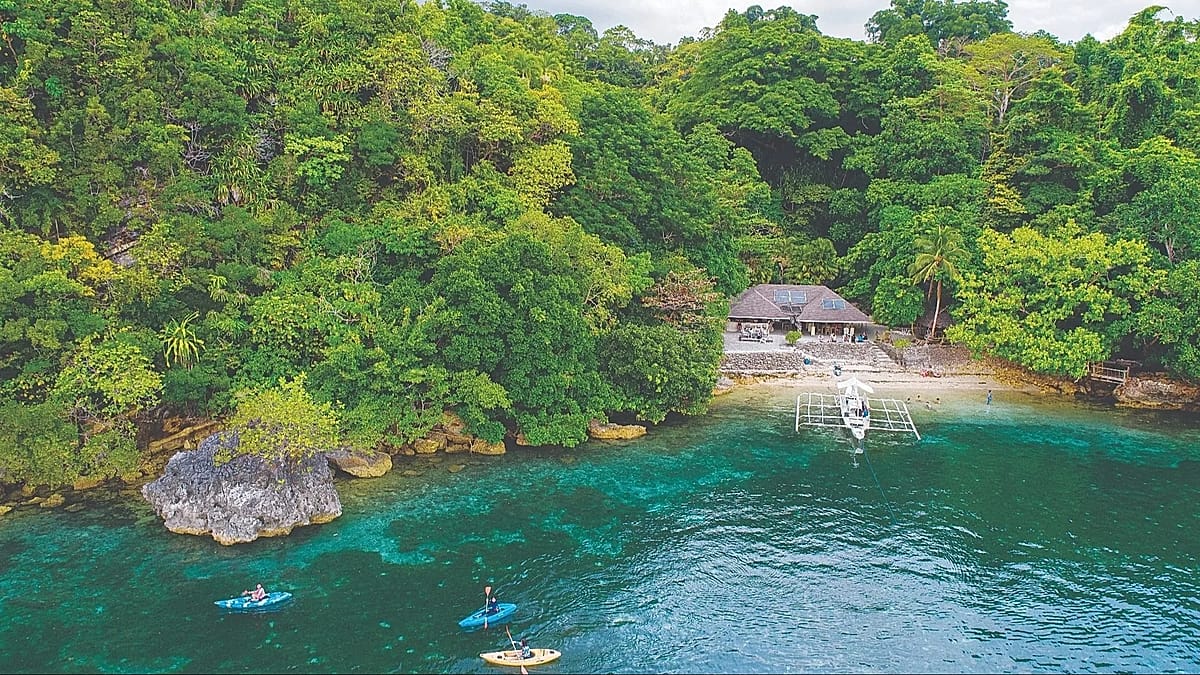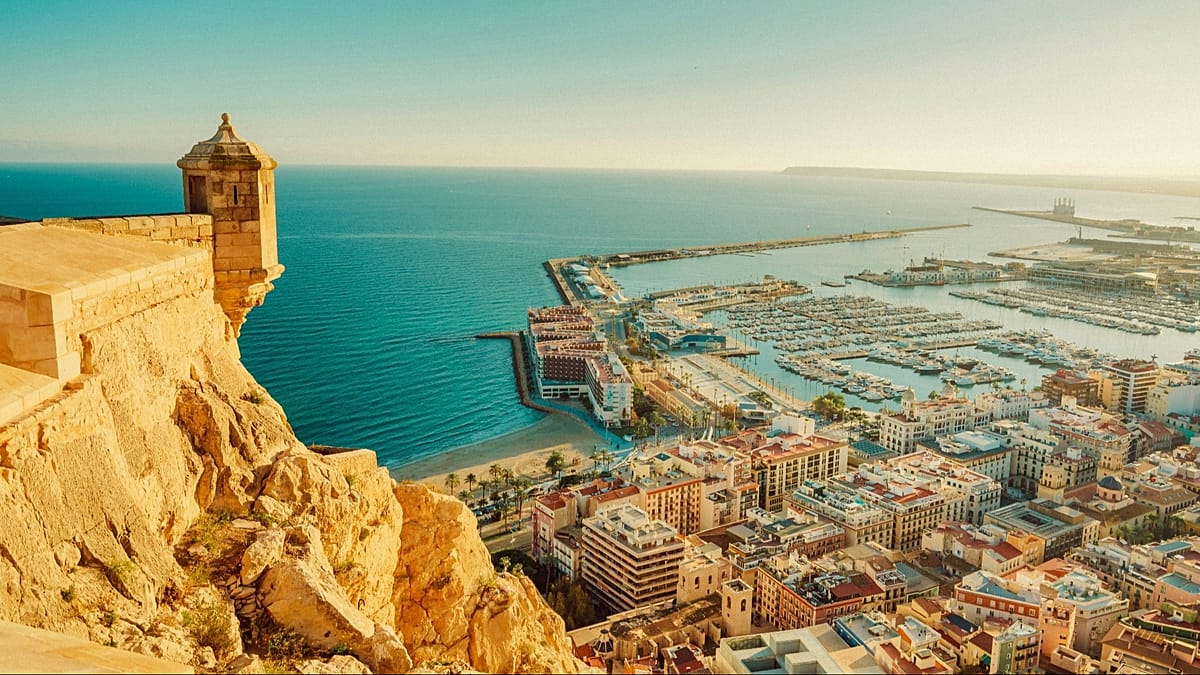
The Region of Valencia has long drawn crowds to its sun-drenched coastline, with Alicante and Benidorm among Spain's most visited destinations. But as travellers seek more meaningful connections with the places they visit, the regional government is shifting focus to lesser-known corners and a year-round calendar of events.
Speaking at World Travel Market in London, José Manuel Camarero Benitez, the regional vice-minister for tourism, explained how Valencia is trying to avoid the overtourism pressures seen elsewhere in Spain. “It's not just promoting tourism – we try to manage tourism,” he said. “We are not aiming to promote the same places, and telling people to go do the same things at the same time.”
Part of that strategy involves attracting visitors outside the peak summer months. “Even now in November, we have sunshine and temperatures above 20 degrees so you can enjoy diving, swimming and other activities,” Camarero noted. The tourism board's current campaign, “could this be happiness?”, encourages visitors to find joy in simple pleasures – the feel of sand between toes, the shimmer of the sea.
Castellón: the next success story
While Alicante and Valencia provinces are already well established, Camarero believes Castellón is ready for its moment. “I always say Alicante has been our success for 60 years in the Valencia region, now Castellón will be the next success,” he said, highlighting the province's gastronomic credentials.
Castellón offers a diverse range of experiences: langoustine in the coastal town of Vinaròs, hiking through the Sierra de Irta mountain range, ancient cave art in Ares del Maestrat, and canyoning in Montanejos. The province is also home to the city of Castellón de la Plana, which blends modern architecture with a historic old town.
A packed 2027 sports calendar
The region is gearing up for a major sporting year in 2027. Valencia city will host the Copa del Rey basketball tournament, the European Indoor Athletics Championships, SailGP, and the MotoGP Valencia Grand Prix. Alicante, meanwhile, will be the starting point for The Ocean Race, the prestigious round-the-world yacht race.
For golf enthusiasts, Alicante will host the IAGTO European Convention in May. Camarero is keen to showcase the region's 30 golf courses as part of a broader lifestyle offering. “It's the best opportunity to come to Alicante to see all 30 sites and discover not only golf as a sport, but golf as a lifestyle, with gastronomy, culture and the other things you can enjoy during your stay,” he said.
Sustainability at the core
The Region of Valencia has long prioritised sustainable tourism. Valencia city served as the European Green Capital in 2024, and last month Benidorm was awarded the European Green Leaf title, which recognises smaller cities with populations between 20,000 and 100,000. The award will be formally celebrated in 2028.
These efforts align with broader Spanish trends, such as the early closure of coal power in Majorca and the country's renewable energy surge. The region's approach to tourism management could serve as a model for other European destinations grappling with the balance between economic benefits and environmental impact.
As the region looks ahead, the message is clear: there is more to Valencia than sun and sand. With a focus on gastronomy, sports, and sustainability, it aims to offer visitors a deeper, more varied experience – and to spread the benefits of tourism across all three provinces.