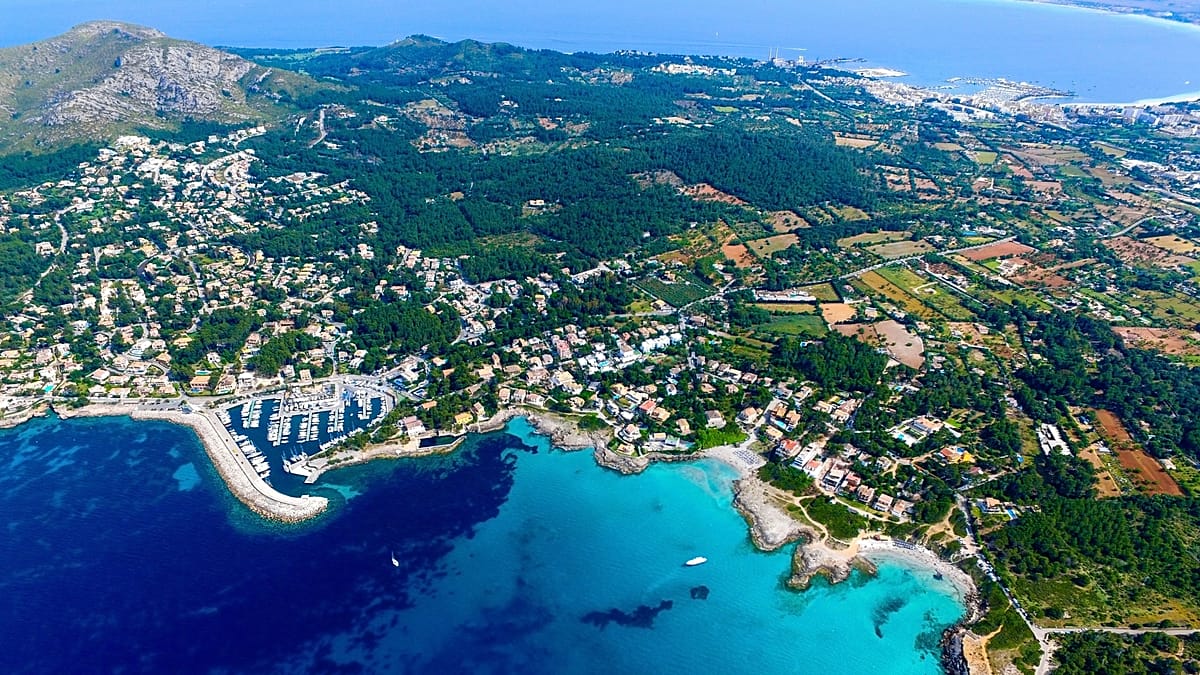
The Balearic island of Majorca has taken a decisive step away from fossil fuels, with authorities approving the permanent shutdown of the last coal-fired units at the Es Murterar power station in Alcudia, in the island's north. The move, announced by Spain's largest utility Endesa, comes four years earlier than originally scheduled.
Endesa said the closure would not jeopardise the security of electricity supply, noting that two gas turbines at the site will continue to operate. The regional government welcomed the decision as a significant advance in the decarbonisation of the Balearic Islands.
A renewable transition that pays off
The early coal exit is part of a broader Spanish energy transformation. According to the German-based non-profit Beyond Fossil Fuels, the country's commitment to renewables has yielded clear dividends. “By phasing out coal and expanding solar instead of turning to gas, Spain has made energy bills less vulnerable to the gas crisis than most European countries,” the organisation said.
The announcement coincided with a report from the International Energy Agency (IEA) highlighting how Spain's rapid build-out of solar and wind capacity has “strengthened its energy security and competitiveness while cutting fuel import costs”.
Data cited in the IEA report shows that between 2011 and 2024, Spain saved roughly $26 billion (€23.3 billion) in natural gas import costs, largely thanks to its renewable deployment. Over the past decade, the country's renewable electricity capacity more than doubled to 119 gigawatts, while greenhouse gas emissions fell by a fifth.
Figures from the energy think tank Ember underline the shift: in 2025, solar accounted for 21.9% of Spain's electricity generation, wind for 20.4%, and coal for a mere 0.9%. Natural gas, however, still supplied 21.5% of the mix.
Electrification remains the weak spot
Despite these gains in the power sector, Spain faces a persistent challenge: electricity represents only 25% of its final energy consumption, well below the government's target of 35% by 2030. The IEA report points to several reasons, including limited uptake of electric vehicles, especially in corporate fleets, widespread use of fossil-fuel heating, and high upfront costs for industrial electrification.
High taxes, levies and network charges keep end-user electricity prices elevated, while fossil fuels face comparatively lower charges. The report notes that Spain is beginning to address this imbalance, including by abolishing the tax on electricity production in 2026.
The transition on Majorca mirrors efforts elsewhere in the Mediterranean, such as marine protection reviving ocean life around Madeira's Desertas Islands, though the island's coal phase-out is a clear signal of how quickly energy systems can change when policy and investment align.
Spain's experience also offers lessons for other European countries grappling with the dual goals of cutting emissions and maintaining affordable energy. As the IEA notes, the country's renewable expansion has reduced its exposure to volatile international fuel markets, a benefit that has become increasingly valuable since Russia's invasion of Ukraine.
Still, the gap between electricity generation and final energy use highlights the need for deeper electrification across transport, heating and industry. Without it, Spain risks missing its 2030 climate targets even as its power grid becomes greener.