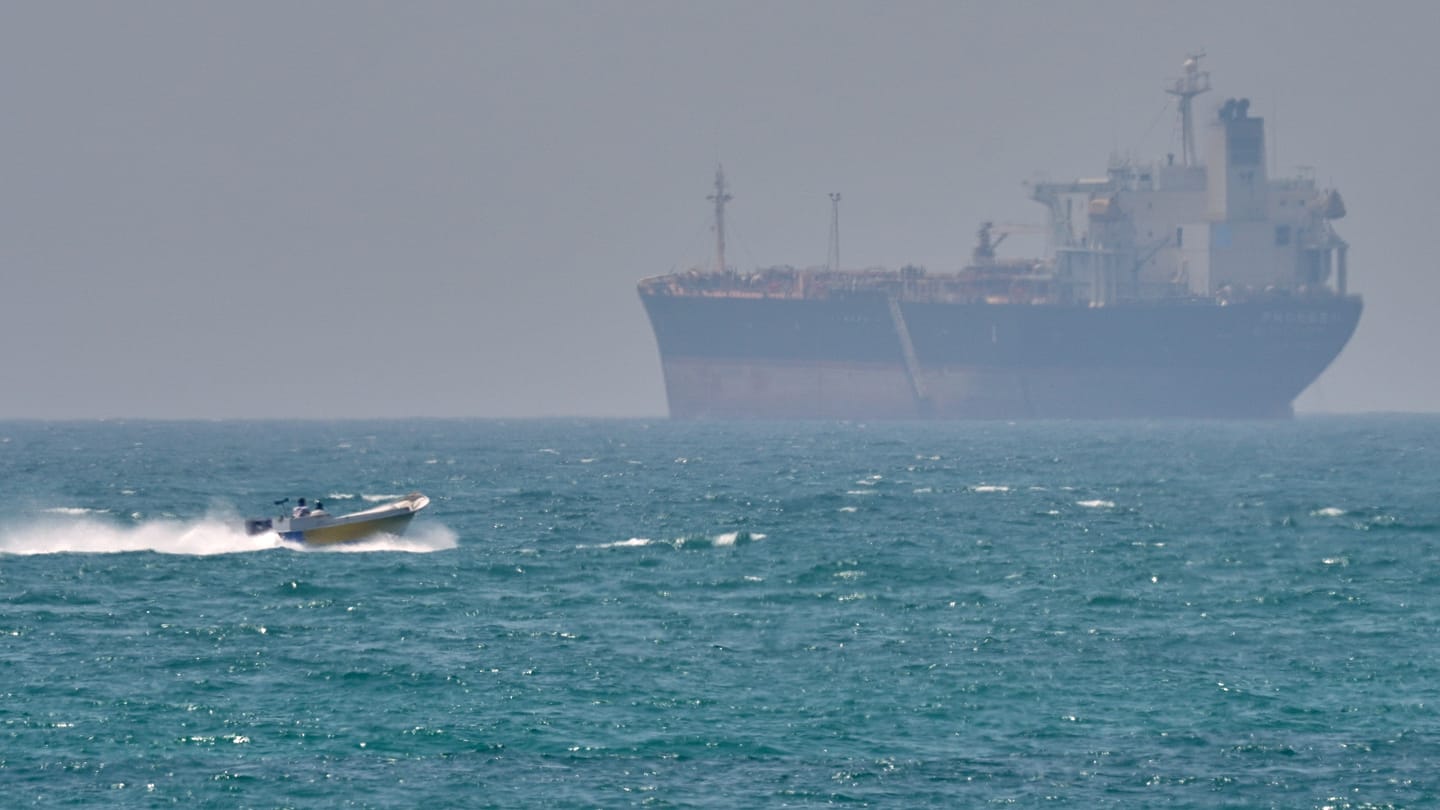
Oil markets experienced a sharp spike on Thursday, with Brent crude temporarily surpassing $126 per barrel — a level not seen since the early months of the war in Ukraine. The surge reflects growing market anxiety over the escalating standoff between the United States and Iran, which threatens to disrupt crude flows through the Strait of Hormuz, a critical chokepoint for global energy supplies.
The price jump came as diplomatic channels between Washington and Tehran appeared to break down, with both sides hardening their positions. Traders are now pricing in a heightened risk of supply interruptions from the Persian Gulf, a region that accounts for roughly a fifth of the world's oil transit. The Strait of Hormuz alone handles about 21 million barrels per day, making any disruption a direct threat to global energy security.
European Economies Feel the Heat
For European policymakers, the oil spike arrives at an inopportune moment. The eurozone is already grappling with stubborn inflation — which hit 3 percent in the latest reading — and sluggish growth, a combination that has revived fears of stagflation across the continent. The European Central Bank, which recently held its benchmark rate at 2 percent, now faces a more complex trade-off between containing price pressures and supporting a fragile recovery.
Germany, the bloc's largest economy and a major industrial exporter, is particularly exposed. Higher energy costs could further squeeze manufacturers already contending with weak demand from China and the lingering effects of the energy crisis triggered by Russia's invasion of Ukraine. France, Italy, and Spain, all heavily reliant on imported oil and gas, are similarly vulnerable.
In a related development, the United States has proposed a maritime coalition to reopen the Strait of Hormuz amid the standoff with Iran. The initiative, which would likely involve European naval assets, underscores the seriousness of the situation. However, it also risks drawing EU member states into a security arrangement that some capitals may view with caution.
Broader Economic Fallout
The oil price surge is not occurring in isolation. The ongoing conflict in Ukraine continues to strain global grain and fertilizer markets, with Kyiv recently accusing Egypt of accepting Russian-shipped grain stolen from Ukrainian silos. That dispute, combined with the Iran crisis, threatens to exacerbate food price inflation in Europe and beyond.
Meanwhile, the European Central Bank's monetary policy stance is under renewed scrutiny. The decision to hold rates at 2 percent came amid mounting stagflation fears across the eurozone, as detailed in our recent analysis. The oil spike could force the ECB to reconsider its trajectory, potentially delaying rate cuts that markets had been anticipating.
The situation also has implications for the EU's broader competitiveness agenda. As Brussels pushes forward with initiatives like the Digital Markets Act to rein in Big Tech, the energy shock risks diverting political attention and fiscal resources away from long-term structural reforms. The bloc's capital markets union, already mired in disagreements over supervision, may face further delays as member states focus on short-term crisis management.
What Comes Next
Analysts caution that the oil market remains highly volatile. If the US-Iran standoff de-escalates, prices could retreat quickly. But if tensions continue to mount — or if actual supply disruptions occur — Brent could test even higher levels, with some forecasts pointing to $140 or more. For European consumers and businesses, the immediate outlook is one of uncertainty, with higher fuel costs likely to feed through to transport, heating, and industrial production in the weeks ahead.
The coming days will be critical. European foreign ministers are expected to hold emergency consultations, while the ECB will be watching the data closely. For now, the continent finds itself once again at the mercy of geopolitical events beyond its borders — a reminder of the fragility of its energy dependence.