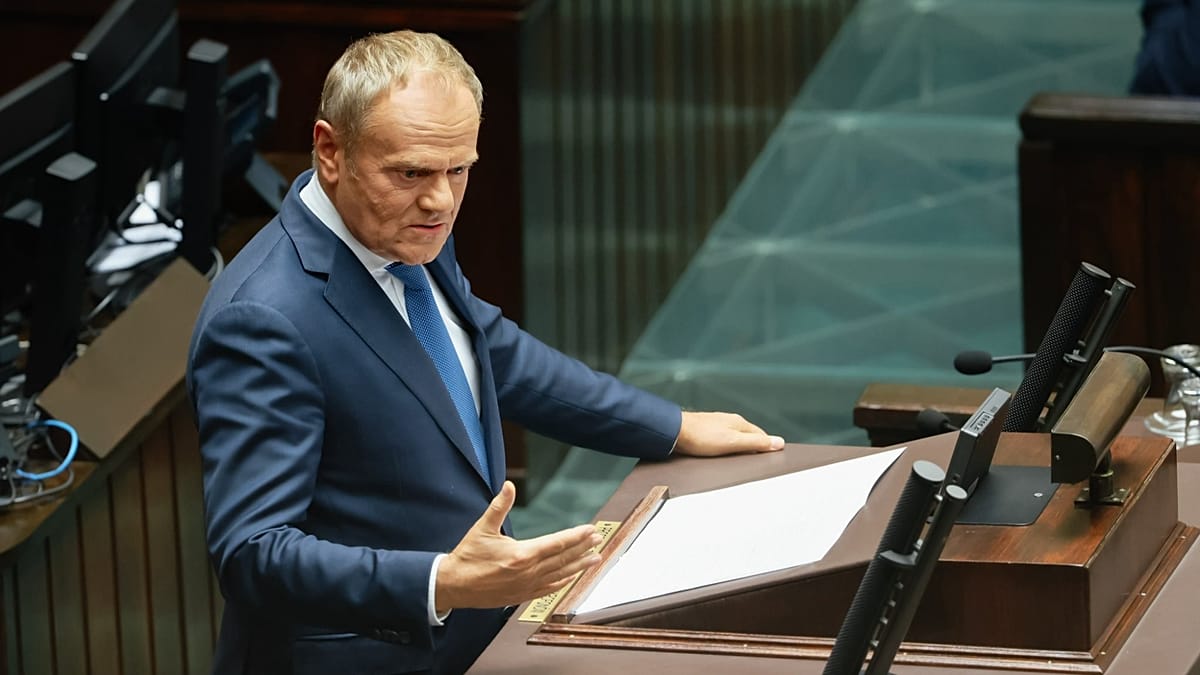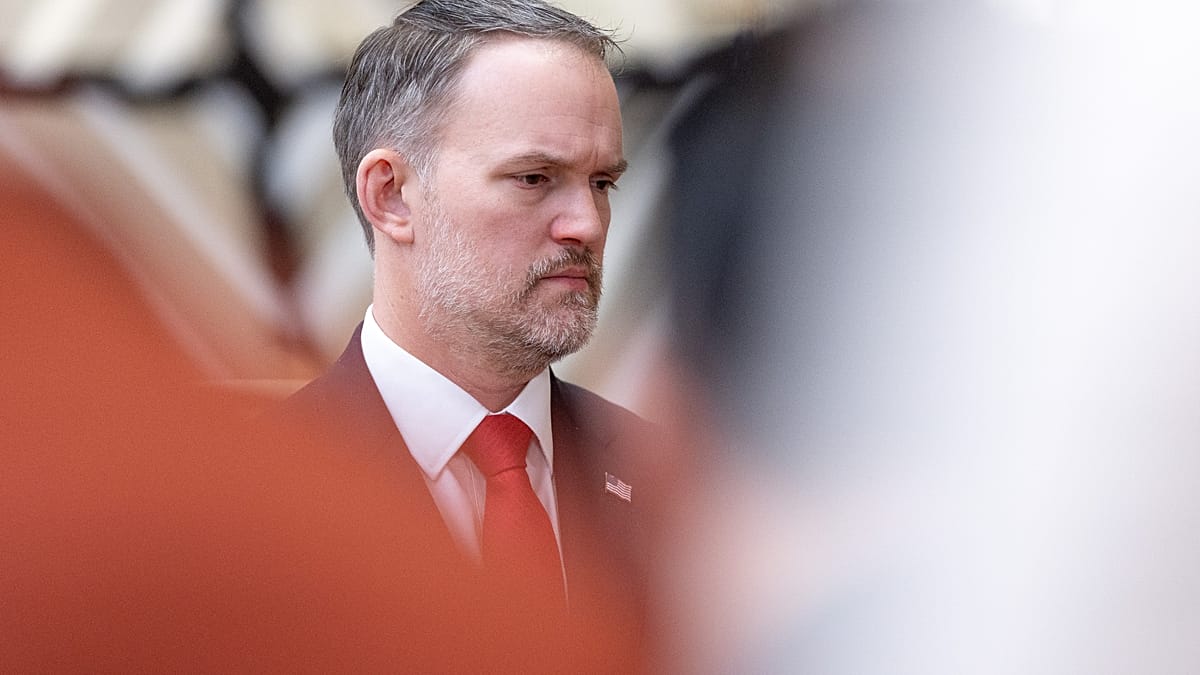
EU Trade Commissioner Maroš Šefčovič met US Trade Representative Jamieson Greer in Paris on Tuesday, pressing Washington to honour the terms of the EU-US trade deal struck nearly a year ago in Turnberry, Scotland. The meeting comes as transatlantic trade relations face renewed strain, with the US having imposed additional tariffs that breach the agreement's 15% ceiling on EU goods.
A European Commission spokesperson confirmed that during the 90-minute discussion, Šefčovič called for a “swift return” to the Turnberry framework, meaning a uniform 15% tariff rate on all EU exports to the United States. The US currently levies a 10% tariff on top of pre-existing duties, pushing combined rates as high as 30% on certain products, notably cheese. This exceeds the cap established in the July 2025 deal between President Donald Trump and European Commission President Ursula von der Leyen.
Tensions escalated further after Trump threatened to impose 25% tariffs on EU cars, a move that would directly violate the Turnberry accord. The White House introduced new tariffs in February following a US Supreme Court ruling that declared the 2025 tariffs illegal. The situation has prompted warnings from European capitals, with EU finance ministers urging caution as the auto tariff threat looms.
Implementation Stalled by Internal Divisions
Šefčovič also updated Greer on the EU's progress in implementing the deal, seeking to “clarify” the bloc’s position. Washington wants Brussels to accelerate the legislative process needed to cut tariffs on US industrial goods to zero, as agreed in Turnberry. However, negotiations between EU member states and the European Parliament remain fraught.
MEPs are pushing for safeguards that would make EU tariff cuts conditional on the US fulfilling its side of the bargain. They also advocate a “sunset clause” that would terminate the deal in March 2028 unless renewed. This position is backed by France, while Germany and other member states prefer to preserve the original agreement. The divide reflects broader tensions over the deal's merits, with some arguing that the EU should never have signed it under Trump.
The European Commission has warned that failure to implement the deal could undermine the bloc's credibility as a trade partner. Yet the Parliament's insistence on reciprocity highlights a growing scepticism toward agreements with an administration that has repeatedly threatened unilateral tariffs.
Šefčovič's meeting with Greer was intended to de-escalate tensions, but the underlying issues remain unresolved. The US continues to demand rapid action from Brussels, while the EU insists on a return to the agreed terms. With auto tariffs potentially on the horizon, the stakes are high for both sides. Von der Leyen has already warned that the EU is ready to retaliate if Trump follows through on his threat.
The coming weeks will be critical as EU governments and MEPs attempt to reconcile their differences. The outcome will determine whether the Turnberry deal survives or becomes another casualty of transatlantic trade friction.