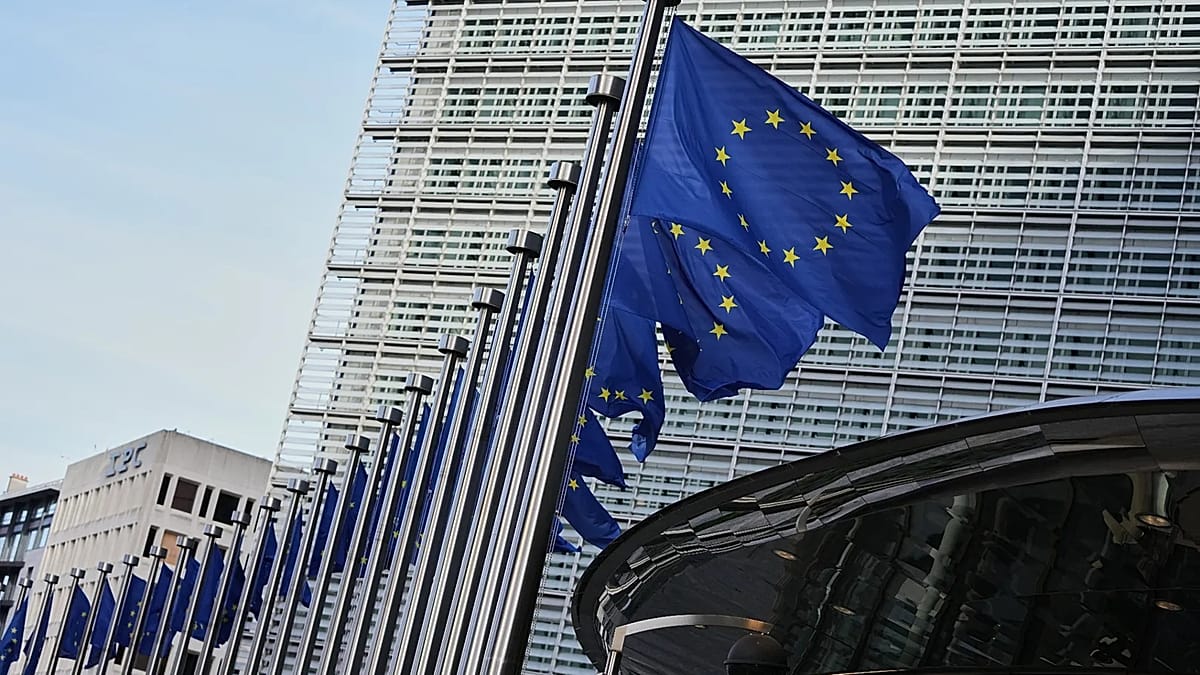
A decade after the United Kingdom voted to leave the European Union, a new survey from the Pew Research Centre suggests that the Brexit shock may have inadvertently strengthened public affection for the bloc across the continent — including in Britain itself.
Conducted across eight European countries that have been tracked consistently since 2016, the poll finds that 62% of respondents now hold a favorable view of the EU, compared with 49% at the time of the referendum. The findings challenge the narrative that Brexit would trigger a wave of Euroscepticism; instead, they point to a renewed embrace of European integration.
UK Among Most Pro-EU Countries
Perhaps the most striking shift is in the United Kingdom. Despite having voted to leave the bloc in June 2016, 67% of Britons now express a positive opinion of the EU, while only 31% view it unfavorably. That marks a dramatic reversal from the referendum period, when 48% held an unfavorable stance. The figure places the UK among the most pro-EU countries surveyed, alongside Sweden (79%), Germany (68%), and the Netherlands (63%).
Poland and Italy also recorded support levels above 60%. France remains more divided, with 52% favorable, while Greece is the only country where positive views failed to reach a majority.
Pew researchers note that support for the EU rose sharply in the years immediately after the Brexit vote and climbed further following Russia's full-scale invasion of Ukraine in 2022. The war spurred closer cooperation among member states on defense, energy security, and economic aid to Kyiv — developments that appear to have reinforced public appreciation for the EU's role.
The survey also highlights political divides: respondents on the left are generally more supportive of the EU than those on the right, but favorable views have increased across most of the political spectrum since 2016.
Hungary and Poland were included in the survey for the first time this year, expanding the pool to ten countries. The findings arrive as debates over migration, economic competitiveness, and security continue to test the bloc. Yet the data suggests that public confidence in the European project remains considerably stronger than when British voters chose to leave.
For context, the EU has recently approved controversial return hubs and stricter deportation rules, signaling a tougher line on migration. Meanwhile, a separate report found that sanctioned EU figures' social media accounts retained monetization tools, raising questions about enforcement.