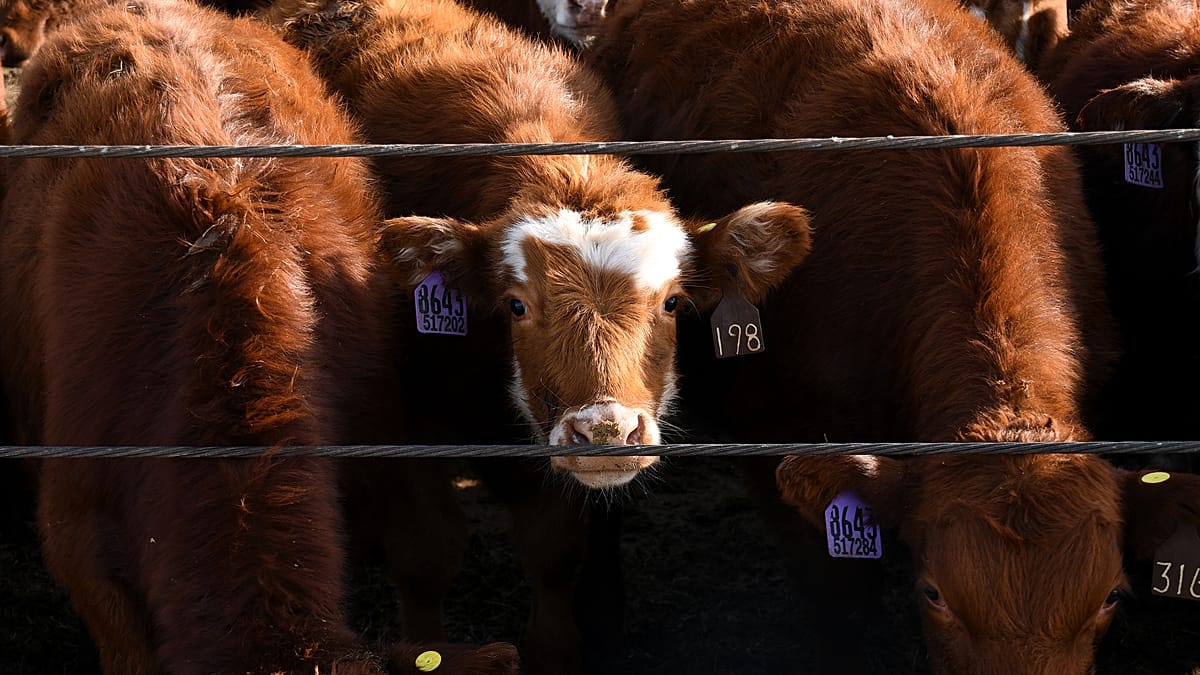
In the quiet countryside of Brandenburg, a farmer in Raddusch, Oberspreewald-Lausitz district, woke on a recent Friday morning to find his entire herd of 48 cattle gone from the pasture. The loss: an estimated €75,000. Just two weeks earlier, 74 cattle vanished near Herzberg in the Elbe-Elster district, where police found lorry tracks at the scene. In April, 69 calves were stolen from a breeding farm in Falkenberg, also in Elbe-Elster, after perpetrators drove a 40-tonne articulated lorry up to the barn door via a remote access road, selecting only female calves aged three to six months.
These incidents are not isolated. Livestock theft—of cattle, sheep, geese, and even bee colonies—is escalating across Germany, particularly in the eastern states. Investigators believe professionally organised gangs are behind the heists, striking at night and using forged ear tags to conceal the animals' origins. In some cases, sedatives are administered to keep the animals quiet during loading.
Brandenburg: A Hotspot for Rural Crime
Brandenburg has emerged as a particular hotspot for these thefts, but the problem extends beyond its borders. Lower Saxony and Mecklenburg-Western Pomerania are also reporting rising numbers, while Schleswig-Holstein has seen a slight decline from a high level. The phenomenon, now often termed 'farm crime,' includes not only livestock but also expensive agricultural machinery and GPS systems from tractors. A November report by NDR, titled 'Tatort Bauernhof: Diebstahl auf dem Land,' noted that well over half of farmers in northern Germany have been affected by theft of animals, harvests, or equipment.
The emotional and financial toll on farmers is significant. Many are now investing in additional security: video surveillance, better barn lighting, and digital warning networks via regional WhatsApp groups to share suspicious observations quickly. The goal is to prevent thefts before they happen.
Because livestock in Germany is centrally registered, police suspect stolen animals are taken to Eastern European countries or states outside the EU. While animal transports are supposed to be checked at borders, closed lorries not licensed for livestock transport may be used for smuggling. The federal government does not maintain official statistics on farm animal thefts, as animals are legally classified as 'property' under German law, lumping such crimes under general theft of objects.
This rural crime wave comes amid broader economic pressures on German agriculture. The country's post-war golden era has ended, as billionaire investor Reinhold Würth recently warned, and the sector faces challenges from deindustrialisation and rising costs. Meanwhile, Germany's push to end the EU unanimity rule, citing Hungarian blockades, could affect cross-border cooperation on crime prevention.
For farmers in Brandenburg and beyond, the thefts are a stark reminder of vulnerabilities in rural security. As one farmer put it, 'You work all year, and then it's gone in one night.' The response, so far, is a mix of grassroots vigilance and calls for better law enforcement coordination across European borders.