Tonight in Strasbourg, European lawmakers and diplomats are meeting to prevent a transatlantic trade war from erupting by a 4 July deadline set by Donald Trump. The deal, struck last July between Trump and European Commission President Ursula von der Leyen in Scotland, aimed to eliminate tariffs on US industrial goods while capping European exports at 15%. It was designed to safeguard a trade relationship worth nearly €1.68 trillion.
However, the European Parliament is now pushing back after Washington introduced new duties on steel and aluminium, following a US Supreme Court ruling against earlier tariffs. European lawmakers argue that the US has effectively violated the treaty before its signature, and they refuse to be bullied. As a result, they have baked three defensive mechanisms into the text.
The Three Clauses
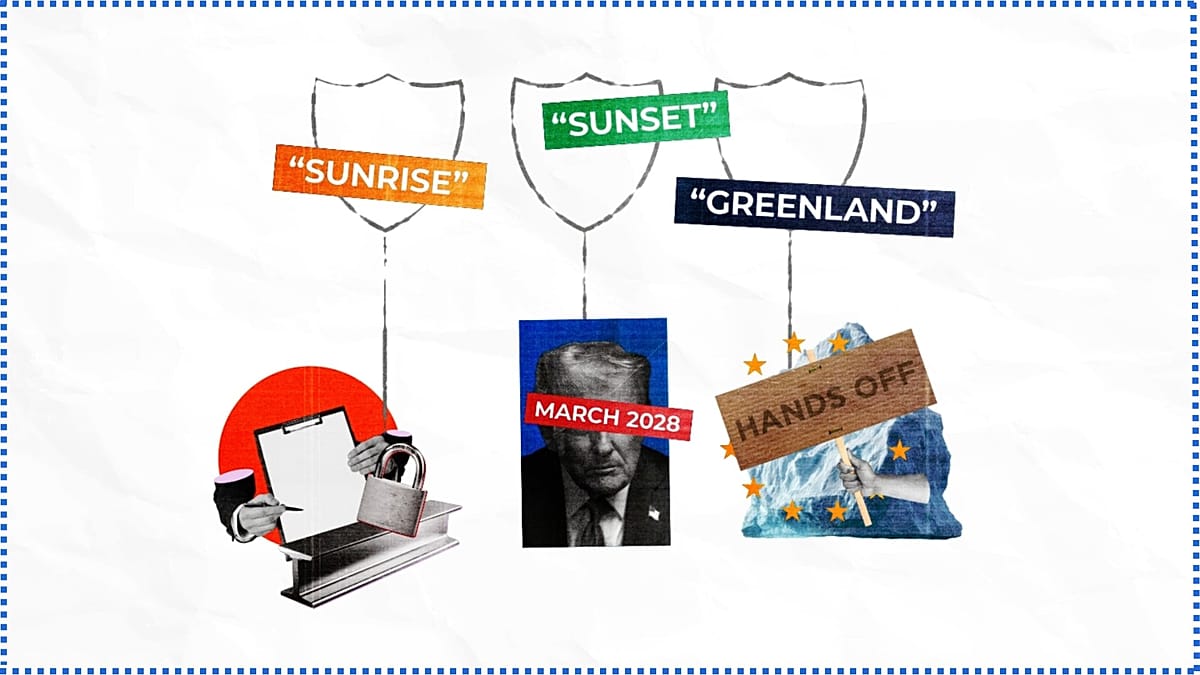
The first, known as the Sunrise Clause, stalls the deal until Washington drops those steel duties. The second, the Sunset Clause, automatically terminates the agreement in March 2028, just before Trump is expected to leave office. The third, the Greenland Clause, allows Brussels to suspend everything if Trump threatens European territorial integrity again—a reference to his past comments about purchasing Greenland.
These provisions have split Brussels. The centre-right European People's Party (EPP) wants a quick deal to avoid chaos for European industries, while the Socialists are digging in. Lead negotiator Bernd Lange insists that European legislation must not be dictated by threats from Washington. Finland's Trade Minister has also urged mutual respect in the negotiations, reflecting broader concerns across the continent.
The stakes are high. If negotiators reach a compromise tonight, the text will head to a plenary vote in June. But if the deadlock holds, the trade relationship hits a cliff-edge, and the 4 July deadline will bring a wave of American tariffs directly to Europe's doorstep. This final hurdle in Strasbourg underscores the fragility of transatlantic ties.
The dispute also highlights deeper tensions. The European Union, a network of twenty-seven distinct member states plus the wider continent including the UK, Switzerland, Norway, and the Balkans, must balance unity against individual national interests. Some member states, particularly those with strong industrial sectors like Germany and France, are wary of a prolonged standoff. Others, such as Poland and the Baltic states, view the US as a key security partner and worry about collateral damage.
Meanwhile, the European Parliament is asserting its role as a co-legislator, demanding that the deal respect EU sovereignty. The inclusion of the Greenland Clause is a pointed reminder that territorial integrity is non-negotiable. As one diplomat put it, “Europe cannot be treated as a junior partner.”
The outcome of tonight's session will determine whether the EU can maintain a unified front or whether internal divisions will weaken its bargaining position. With the clock ticking, all eyes are on Strasbourg.