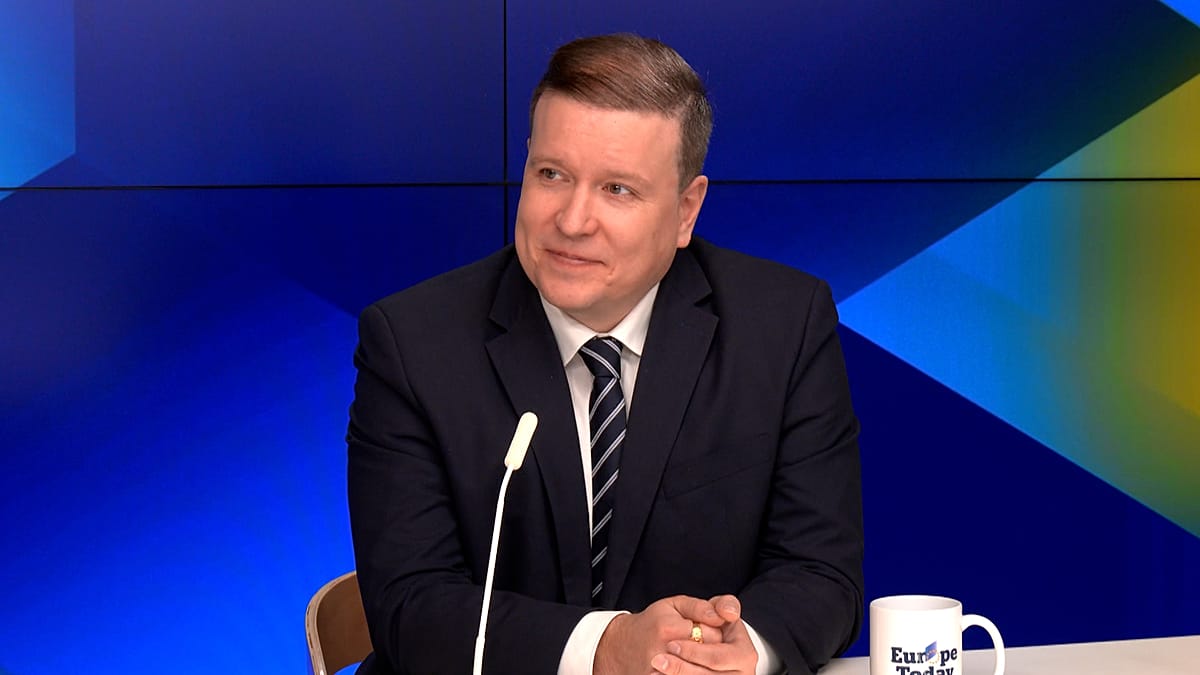
Finnish Foreign Trade Minister Ville Tavio has struck a tone of cautious optimism regarding the ongoing EU-US trade negotiations, ahead of a series of meetings with fellow European ministers in Brussels this week. Speaking on the programme Europe Today, Tavio underscored Helsinki's position that any agreement must be reciprocal.
“Our requirement is that the US also respects this deal,” Tavio said, signalling that Finland—and by extension the European Union—expects Washington to adhere to the terms as strictly as European capitals will. The minister’s remarks come as the bloc seeks to finalise a comprehensive trade pact that has faced repeated delays and political headwinds on both sides of the Atlantic.
Tavio’s comments reflect a broader sentiment among EU member states: the desire to strengthen transatlantic economic ties without sacrificing European interests. “We want to create bridges, not burn them,” he added, framing the deal as an opportunity for cooperation rather than confrontation.
Balancing Act in Brussels
The Finnish minister’s appearance in Brussels coincides with a critical juncture for the EU-US trade deal, which faces a looming tariff deadline set by former President Donald Trump. While the current US administration has signalled a more conciliatory approach, European negotiators remain wary of sudden shifts in American trade policy.
Finland, as a small but highly open economy, has a particular stake in the outcome. The country’s export-driven sectors—from machinery to digital services—stand to benefit from reduced barriers, but also risk being caught in any crossfire of retaliatory tariffs. Tavio’s cautious optimism thus mirrors the calculations of many EU capitals: eager for a deal, but insistent on fairness.
The minister also touched on the broader geopolitical context, noting that Europe must maintain its own strategic autonomy even as it deepens ties with the United States. This balancing act is especially relevant given recent developments in Asia, where US-China trade dynamics continue to ripple through global supply chains.
Finnish Innovation and Trade
Beyond the immediate negotiations, Tavio highlighted Finland’s strengths in technology and innovation as assets in the transatlantic partnership. Companies like ICEYE, a Helsinki-based satellite firm, exemplify the kind of high-value exports that could flourish under a stable trade framework.
“We have world-class expertise in areas like clean tech, digitalisation, and space technology,” Tavio said. “A fair trade deal would allow us to share these innovations more freely with American partners.”
The minister’s remarks come as the European Union pushes for a deal that covers not only tariffs but also digital trade, intellectual property, and sustainable development standards. For Finland, a country that has long championed multilateralism and rules-based trade, these elements are non-negotiable.
As the Brussels meetings get underway, Tavio’s message is clear: Europe is ready to engage, but not at any cost. The coming weeks will test whether the United States is equally prepared to meet the EU halfway.