From a Helsinki headquarters, ICEYE has built one of the world's most advanced Earth observation systems, using small radar satellites that see through clouds and darkness. The Finnish company, co-founded by innovators from Poland and Finland, now operates a constellation of more than 70 satellites orbiting at around 600 kilometres altitude.
ICEYE's synthetic aperture radar (SAR) sensors can detect oil spills, monitor hurricanes, track forest fires, and identify illegal logging. They also collect data on flooding and keep watch over military equipment movements, including identifying aircraft types at hostile airports and tracking suspicious ship traffic across oceans.
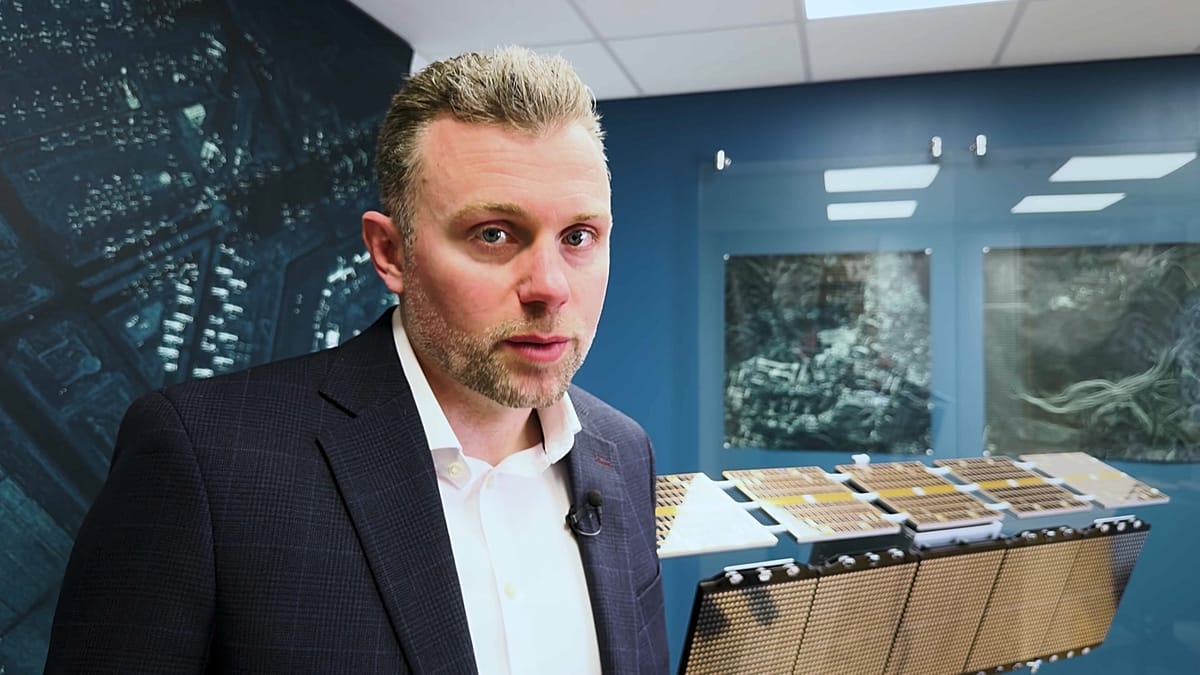
The fourth generation of satellites, each weighing about 200 kilograms, has improved resolution from 25 centimetres to 16 centimetres. “And that's not the end of it,” said Damon Ollomon, a vice president at ICEYE, in an interview with Euronews. The company is particularly proud of its rapid response time: “We can deliver images within two hours, and we aim to reduce that to less than ten minutes,” Ollomon added.
EU Support and Rapid Growth
Founded in 2014 with start-up capital from the European Union, ICEYE has expanded rapidly. It now has subsidiaries in Poland, Spain, Germany, and Greece, among others, and employs around 1,000 people from 70 countries. Last year, the company achieved a turnover of €250 million.
ICEYE currently produces 25 satellites per year and is scaling up to 50 annually. This growth reflects strong demand from EU governments, which are eager to work with the company to safeguard their sovereignty. The high-resolution radar eyes in space are considered second to none for Earth observation and military reconnaissance.
The company's technology is particularly valuable for European security, especially as the continent reassesses its defence capabilities. For more on Europe's evolving security landscape, see European Leaders Seek New Security Order as US Disengagement Looms.
ICEYE's satellites also contribute to environmental monitoring, a key priority for the EU. The ability to detect oil spills and track deforestation supports efforts to protect ecosystems. For a related innovation, read about Irish Teen Wins Earth Prize for Biodegradable Plastic That Eats Microplastics.
The company's success underscores the potential of European space technology. With a diverse workforce from 70 countries and operations across the continent, ICEYE exemplifies the collaborative spirit of the EU's space programme. As it scales up production and improves resolution, it is set to remain a world leader in Earth observation.