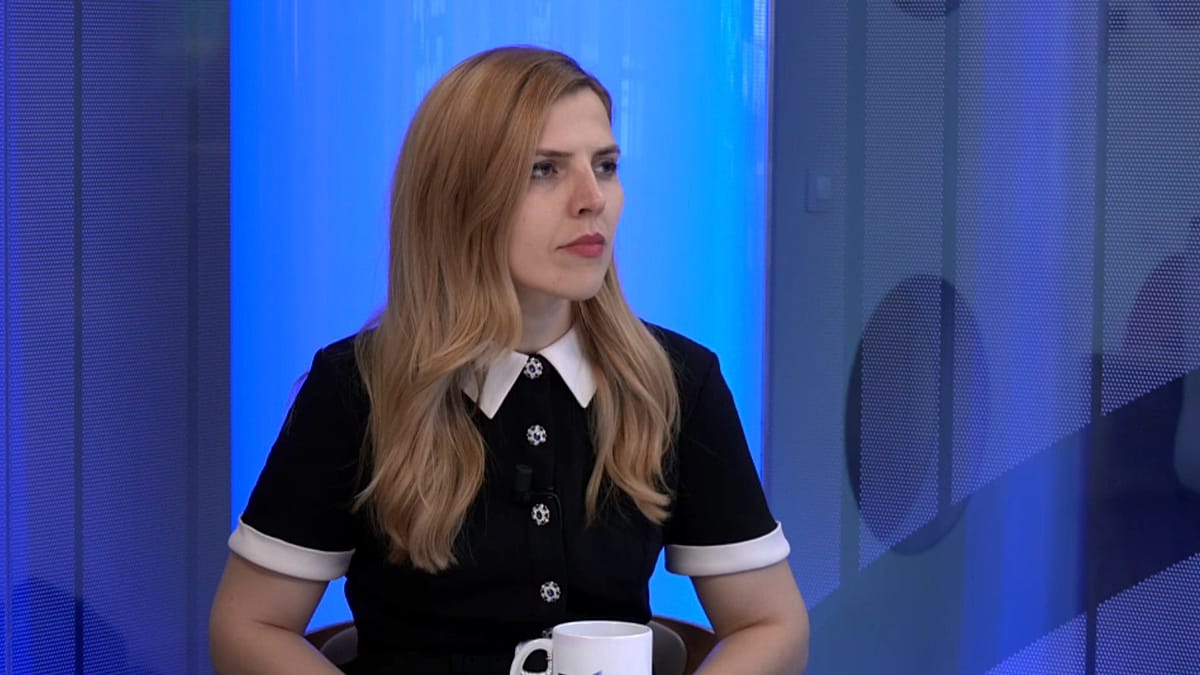
Bulgarian Foreign Minister Velislava Petrova-Chamova has defended her government's decision to block the inclusion of Patriarch Kirill, head of the Russian Orthodox Church, in the European Commission's proposed 21st package of sanctions against Russia. In an exclusive interview with Euronews, she argued that such symbolic measures, lacking direct economic impact, could inadvertently strengthen anti-European sentiment in Eastern Orthodox countries like Bulgaria.
“When you have sanctions that have purely symbolic measure but no economic consequence on Russia, what you are risking is that, in a country – an Eastern Orthodox country, such as Bulgaria – is creating the environment for brewing anti-European rhetoric,” Petrova-Chamova said. She expressed relief that Kirill's name was ultimately dropped from the draft, a move that came after intense lobbying by Sofia at a meeting of European ambassadors on Sunday.
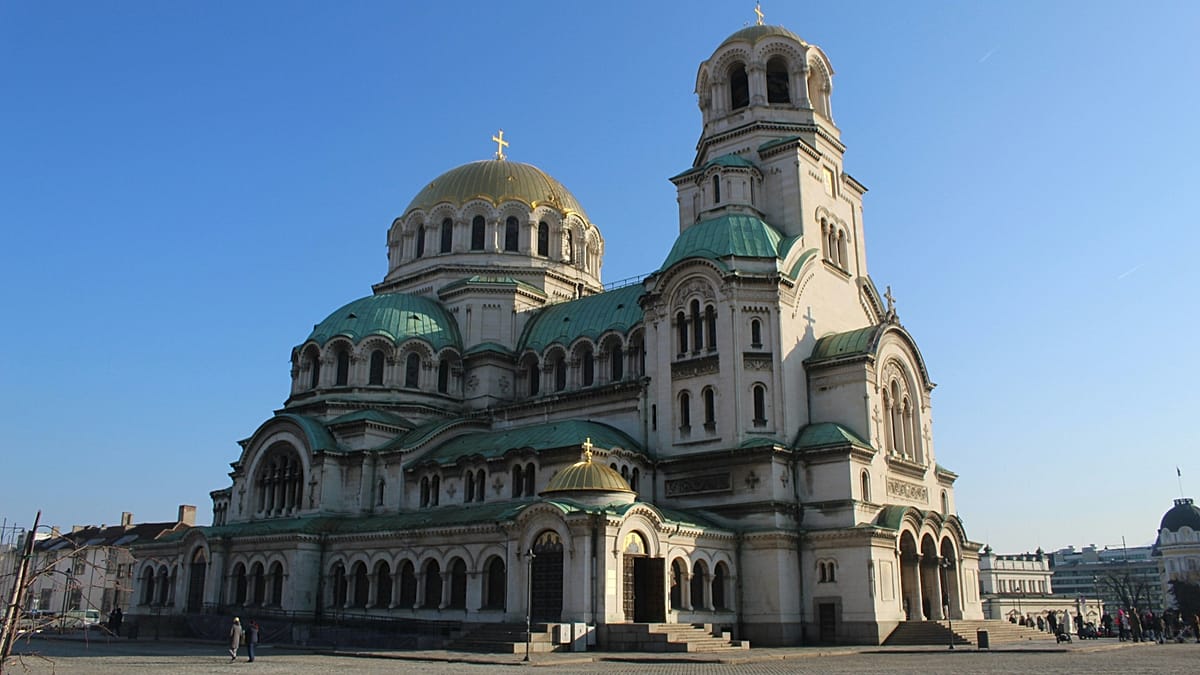
The Bulgarian Orthodox Church and the Russian Orthodox Church are autonomous but share deep historical and cultural ties within the Eastern Orthodox communion. Critics, including former Bulgarian Foreign Minister Daniel Mitov, have accused Kirill of using his religious authority to justify Russia's full-scale invasion of Ukraine, which he labeled a “holy war.” The EU executive, led by President Ursula von der Leyen, had proposed the sanctions package on 9 June, targeting sectors like energy, financial services, crypto, and fisheries, alongside individual designations.
Oil Price Cap and Energy Security
The sanctions package failed to secure approval at a meeting of foreign affairs ministers in Brussels on Monday, and will be renegotiated at an emergency session on Tuesday afternoon. If left unresolved, the EU's oil price cap mechanism—set to adjust from €44 to potentially €58 per barrel on 15 July—could benefit the Kremlin as rising crude prices, driven by conflict in Iran, increase Russian revenues. That date also coincides with Petrova-Chamova's planned visit to Kyiv to discuss energy security with senior Ukrainian officials.
“I'm more thinking about how we can work more together to help Ukraine face the challenges in front of it, which are going to be even higher as the winter approaches,” she said, dismissing concerns about arriving empty-handed. The foreign minister emphasized the need for practical cooperation over symbolic gestures.
Trade with Illegal Israeli Settlements
Separately, the foreign affairs council discussed a European Commission options paper on curbing trade between the EU and illegal Israeli settlements, following a 2024 International Court of Justice advisory opinion deeming them unlawful. EU foreign policy chief Kaja Kallas said ministers overwhelmingly backed tighter restrictions, noting that settlements undermine the two-state solution. Petrova-Chamova, however, expressed caution, stating the proposals lacked clarity and faced legal uncertainties regarding unanimous adoption. EU ambassadors will now refine the plans, with a possible extraordinary ministerial meeting before the next formal gathering in October, weeks before Israeli elections.
For more on the broader implications of EU sanctions policy, see our analysis on Bulgaria Blocks EU Sanctions on Patriarch Kirill and Lukoil Founder. On the settlement trade issue, read EU Foreign Ministers Largely Back Full Ban on Israeli Settlement Trade, Kallas Says.