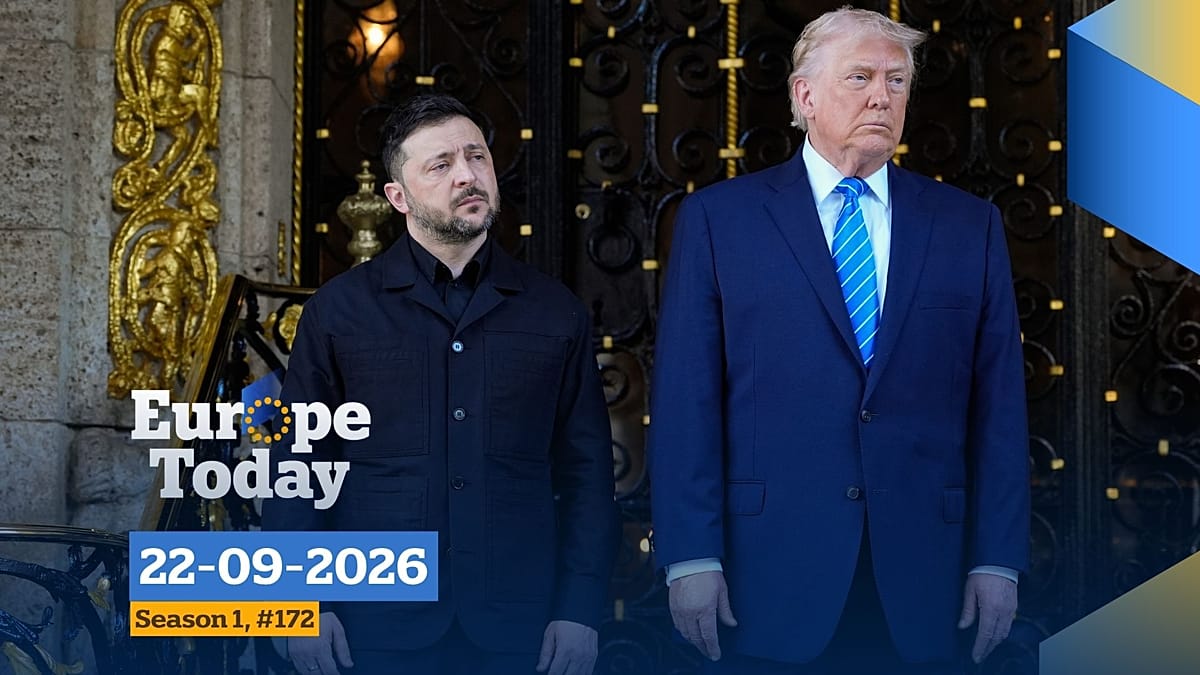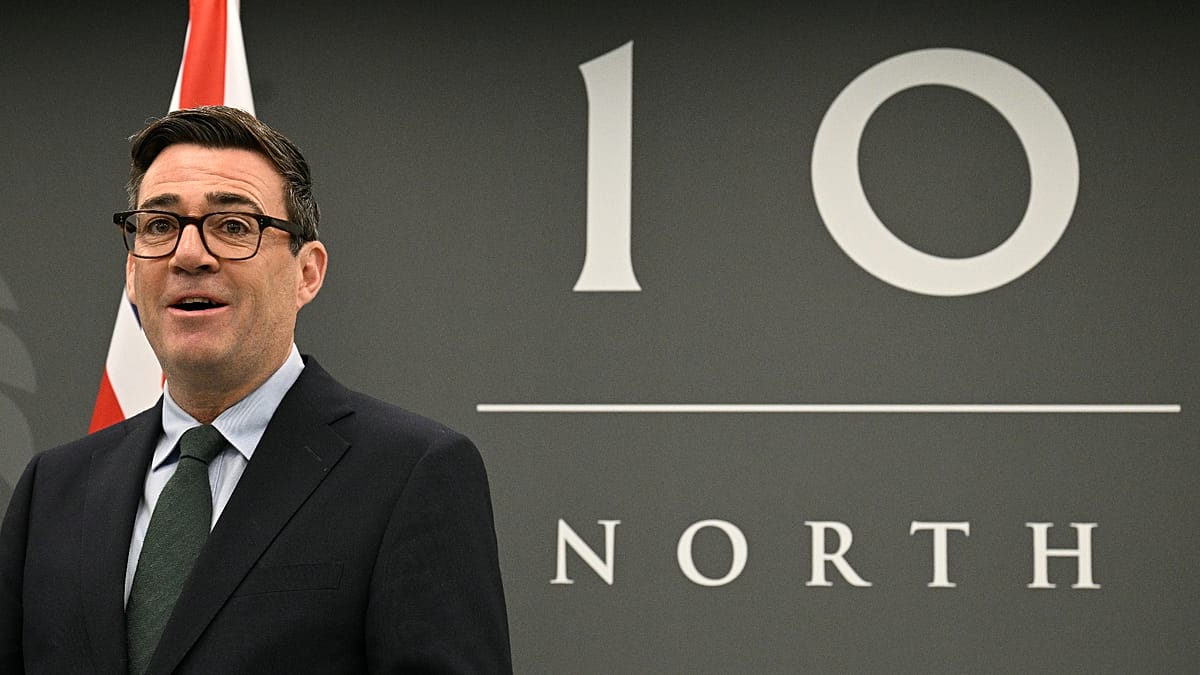
British Prime Minister Andy Burnham is scheduled to hold his first face-to-face meeting with US President Donald Trump on the sidelines of the UN General Assembly in New York on Tuesday. The encounter marks a significant shift from Burnham's earlier stance as mayor of Greater Manchester, when he declared Trump unwelcome in the city and refused to meet him.
Since entering Downing Street in July, Burnham has spoken with Trump twice by phone. Trump has described Burnham as “a nice guy,” but the two leaders have yet to engage in person. The meeting comes at a time of heightened transatlantic friction over trade, technology regulation, and geopolitical strategy.
Ukraine and the Strait of Hormuz top the agenda
Officials in London expect Burnham to press Trump for additional interceptor missiles for Ukraine, as Kyiv continues to face intense Russian aerial bombardment. The UK has been a vocal supporter of Ukraine, and Burnham is likely to reinforce the European consensus that sustained military aid is essential.
Another key topic will be the reopening of the Strait of Hormuz, where shipping has been largely suspended since the US-Israeli conflict with Iran escalated in February. The disruption has rattled global energy markets and European economies, making freedom of navigation a shared concern.
Burnham has said he will adopt a pragmatic approach to the US-UK relationship, seeking “common ground” where possible. However, analysts note that several contentious issues could complicate the talks.
“Burnham has a bit of a tightrope to walk,” said Olivia O'Sullivan of the Chatham House think tank. “He’ll want to build rapport. He’ll want to impress upon Trump and the US administration the European line on Ukraine and the need for continued support to Ukraine. And he’ll probably want to use the rest of his time at the UN General Assembly to highlight the UK government’s ongoing concerns about Gaza and Israeli settlements in the West Bank.”
Trade and territorial disputes
One likely flashpoint is the UK government's recent decision to ban trade with Israeli settlements in the occupied West Bank. The move has drawn criticism from Washington, which views it as undermining Israel's position. Burnham may face pressure to soften the policy, but he is expected to defend it as consistent with international law.
Other areas of disagreement include the regulation of US technology companies, immigration policy, and energy strategy. Trump has also made comments that unsettled London, including expressing support for Irish unification and questioning the future of the Falkland Islands, a British overseas territory disputed by Argentina.
Earlier this year, Trump threatened to take control of Greenland, prompting relief among European leaders when a deal was reached between Greenland, Denmark, and the US to bolster the American military presence while keeping the Arctic island under Danish sovereignty. Burnham was among those who welcomed the agreement, which averted a potential crisis in NATO's northern flank.
The meeting comes as Burnham signals a closer UK-EU relationship, a stance that may sit uneasily with Trump's transactional approach to alliances. The prime minister has also been cautious about Trump's AI Force plan, which has drawn criticism from industry experts for lacking safeguards.
Observers will watch whether Burnham can navigate the competing demands of European solidarity and the special relationship with Washington. His performance at the UN could set the tone for UK-US relations in the months ahead.