The Eurovision Song Contest is set to welcome its first new participating country in over a decade: Canada. The Canadian public broadcaster, CBC/Radio-Canada, has been granted full membership in the European Broadcasting Union (EBU), clearing the way for the country to debut at the 2027 edition in Bulgaria.
The announcement, made on Wednesday, marks a significant expansion for the contest, which last added a new member when Australia joined in 2015. Canada will enter the semi-finals next year, with details on the selection process for its act to be revealed in the coming months.
A Long-Awaited Debut
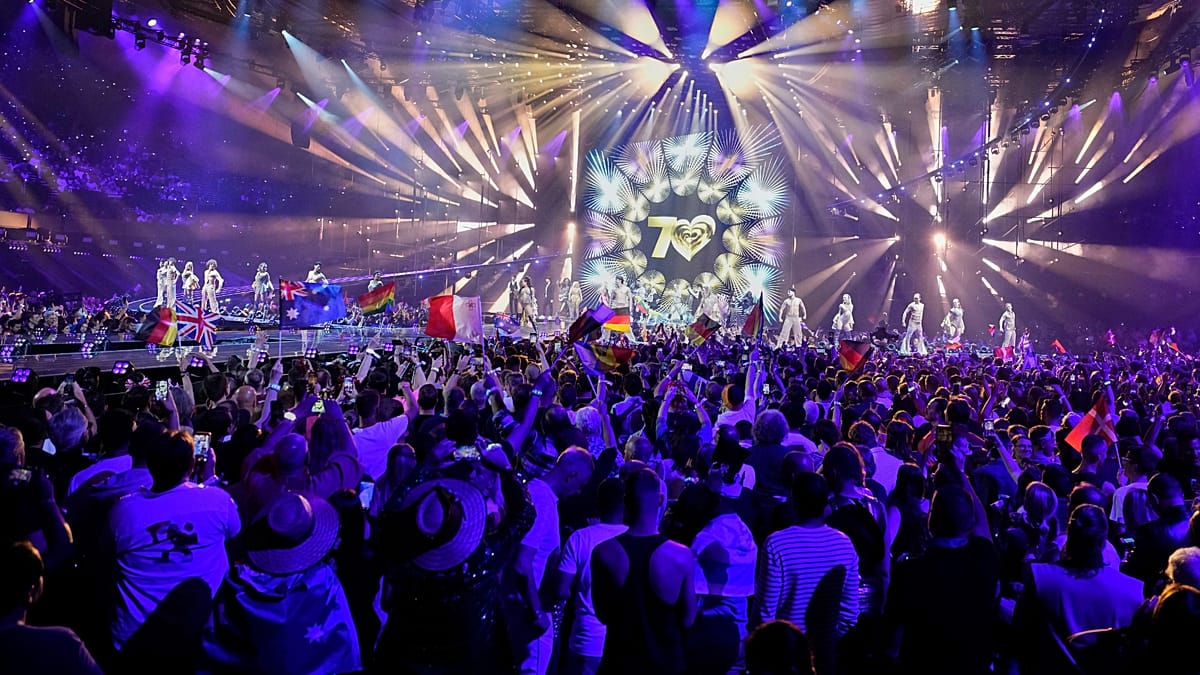
Canadian enthusiasm for Eurovision has been building for years. For the 70th contest in May 2026, Canada ranked among the top three countries in the “Rest of the World” vote, and Canadians were among the largest ticket buyers outside Europe, with many travelling to Vienna for the semi-finals and grand final.
“Our participation in the Eurovision Song Contest, starting next year in Bulgaria, will allow Canadian talent to be showcased on one of the most storied music stages in the world,” said Marie-Philippe Bouchard, President and CEO of CBC/Radio-Canada. “It will also allow fans in Canada to continue watching and voting in the Song Contest, as they have done for years — with the added thrill of seeing their own country represented on the Eurovision stage.”
Martin Green, the EBU’s director of the Eurovision Song Contest, welcomed the move and paid tribute to Canadian-born singer Céline Dion, who won Eurovision in 1988 representing Switzerland. “With CBC/Radio-Canada now able to participate in the Contest as a full EBU Member, we look forward to seeing Canada bring its own voice, creativity, and energy to the Eurovision Song Contest stage in Bulgaria in 2027,” he said.
Bulgaria’s Victory and the Shadow of Protest
The 2027 contest will take place in Bulgaria after a dramatic 2026 final in Vienna, where Bulgarian singer Dara won with her party anthem 'Bangaranga' — the country’s first-ever victory. The win dethroned Israel in a nail-biting public vote, but the event was overshadowed by widespread protests. Before the first act had stepped on stage, demonstrators had filled the streets of Vienna, calling for an end to the war on Gaza.
Canada’s entry into Eurovision comes amid ongoing debates about the contest’s political dimensions. The EBU has faced pressure over Israel’s participation, and the 2026 protests highlighted the tension between the competition’s apolitical stance and the realities of global conflict. For now, the focus is on the new participant and the cultural exchange it promises.
Canada joins a roster of 27 EU member states plus the UK, Switzerland, Norway, and the Balkans, as well as Australia. The addition of a North American country underscores Eurovision’s growing global reach, even as it remains rooted in European broadcasting traditions.