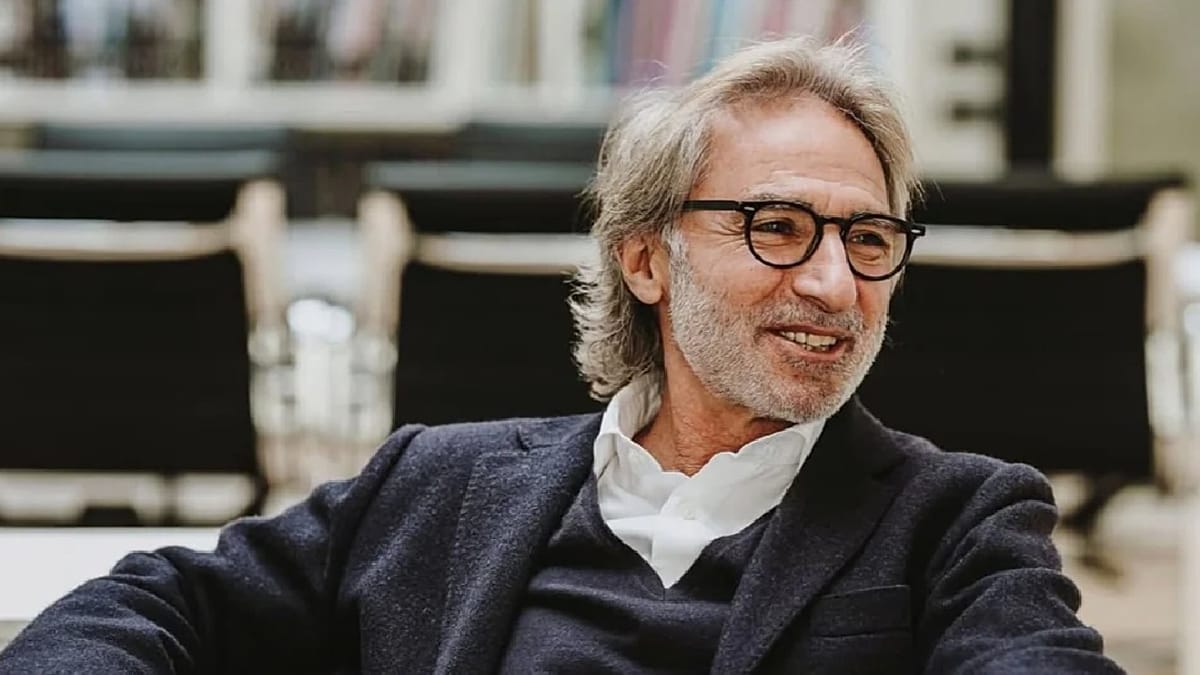
Nine months after the death of renowned Catalan architect Josep Juanpere at his home in Baqueira, what was initially treated as a natural death has taken a dramatic turn. The Catalan police (Mossos d'Esquadra) have arrested his partner in Madrid over her alleged involvement in his death, according to multiple Spanish media reports.
Juanpere, 72, died on 26 December 2025 at his second home in the Val d'Aran resort town of Baqueira, in the province of Lleida, where he was spending the Christmas holidays with his partner. Two days earlier, on Christmas Eve, he had gone to the hospital in nearby Vielha after feeling unwell and was kept under observation for several hours.
The first forensic examination found no signs of violence and attributed the death to a coronary problem. Yet doubts about the circumstances led the court in Vielha to open an investigation, which has been conducted under seal for months. This week, the case broke open with the arrest of Juanpere's partner, a woman of around 63 who, according to El Mundo, comes from a family with substantial property and hotel interests and maintains close ties to prominent social and business circles.
Investigators have also carried out searches and other procedural steps while the detainee awaits her appearance before the judge. The arrest does not amount to a declaration of guilt, and she remains protected by the presumption of innocence.
A key witness in a coma
Adding to the intrigue, Juanpere's nephew—regarded as a key witness because he was the one who found the architect's body—is currently in a coma, according to El Confidencial. The nephew has been in a private clinic for weeks with a lung condition, the newspaper reports. His account is considered crucial because he was among the first to enter the house after Juanpere's death and could directly observe the state of the property and of those present.
The last 48 hours of Juanpere's life are central to the investigation. After his hospital visit on 24 December, he returned to the house in Baqueira. On 26 December, family members who had been unable to reach him asked the nephew to check on him. According to El Periódico, the nephew spent nearly an hour at the door, ringing without an answer, until Juanpere's partner finally let him in. Inside, he found Juanpere dead and the woman apparently in a state of shock.
One detail that raised questions from the start: Juanpere's partner had not called emergency services before the nephew arrived. The body showed no external signs of violence, and the initial forensic conclusions pointed to natural causes. Nevertheless, the case did not close, and investigators continued their inquiries with great discretion.
The secrecy surrounding the proceedings makes it impossible to know exactly what evidence prompted the change of course, or what investigators' precise theory is on how the death may have occurred. Nor have all the results of later forensic tests been made public. The case has shaken Catalan society, not least because of Juanpere's standing as a respected architect.
As the investigation moves forward, the detainee must appear before the judicial authorities, who will determine her legal status and any precautionary measures. The case remains under seal, and few details have emerged about the evidence gathered over these nine months. For now, the mystery deepens with each new development, from the arrest to the coma of the key witness.