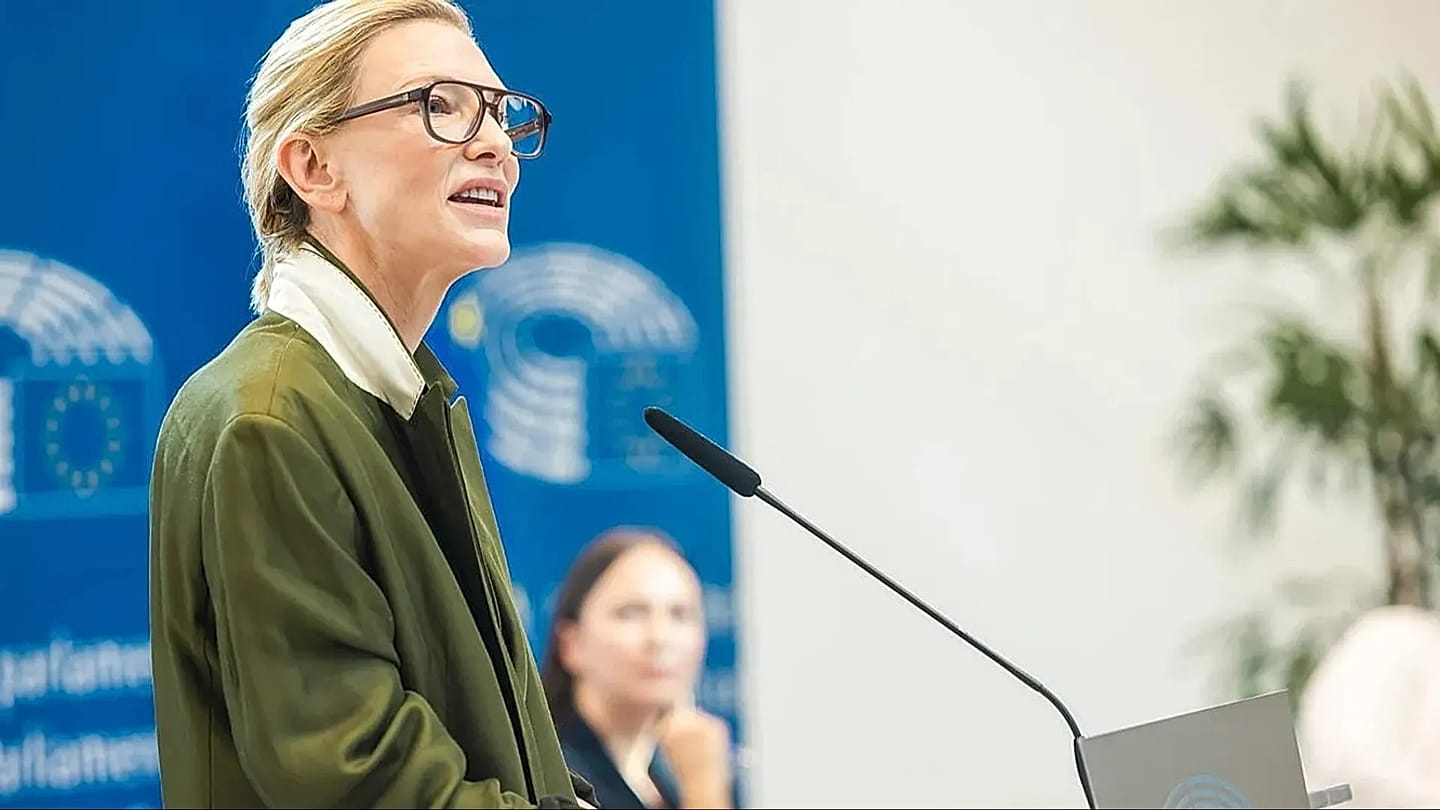
Oscar-winning actors Cate Blanchett and Javier Bardem have joined forces to launch a free online tool that allows artists to decide whether artificial intelligence can use their image, voice, or likeness. The initiative, presented at the European Parliament in Brussels, marks a significant step in the growing debate over digital identity rights in the creative industries.
The tool, called the Artists' Identity Registry, enables performers, musicians, writers, and visual artists to register their consent or refusal for AI systems to replicate their appearance or style. Blanchett, who has long been vocal about the ethical implications of AI, described the project as a necessary safeguard for artistic autonomy.
Why This Matters for Europe
The launch comes as the European Union finalises its landmark AI Act, which seeks to regulate high-risk applications of artificial intelligence. The registry aligns with the EU's push for transparency and consent in AI training data, a key concern for European creators from Paris to Berlin. The European Parliament has already hosted hearings on AI and intellectual property, with MEPs from countries like Germany and France calling for stronger protections.
Blanchett emphasised that the tool is not anti-technology but pro-choice. “We are not trying to stop AI,” she said in a statement. “We are trying to ensure that artists have a say in how their identities are used. This is about consent, not censorship.” Bardem, a Spanish actor known for his roles in films like No Country for Old Men, added that the initiative is particularly urgent for actors whose performances can be digitally replicated without permission.
The registry is open to all artists, regardless of nationality, and is designed to be simple to use. Artists can upload a photo, voice sample, or written description of their likeness, and then choose whether to allow AI companies to use that data. The registry will be maintained by a non-profit foundation based in Brussels, with oversight from a board of European cultural figures.
This move echoes broader European efforts to protect creative work from unauthorised AI use. In February, the Leonard Cohen estate criticised the use of “Hallelujah” at a political rally, highlighting how AI can manipulate artistic legacies. The registry aims to prevent such disputes by giving artists a clear, legally binding way to express their wishes.
European cultural institutions have also taken note. The French Ministry of Culture has expressed interest in integrating the registry with its own digital rights framework, while Germany's Bundestag is considering similar legislation. The initiative has drawn support from organisations like the European Writers' Council and the International Federation of Actors.
Critics, however, question whether a voluntary registry can keep pace with the rapid evolution of AI. Some tech companies have argued that consent-based models could stifle innovation, but Blanchett dismissed such concerns. “Innovation without ethics is not progress,” she said. “Europe has a proud tradition of balancing creativity with responsibility. This tool is part of that tradition.”
The registry is now live at artistsidentityregistry.eu, with plans to expand to multiple languages, including French, German, Spanish, and Italian. For European artists from Stockholm to Seville, it offers a practical way to reclaim control over their digital selves in an era of deepfakes and generative AI.