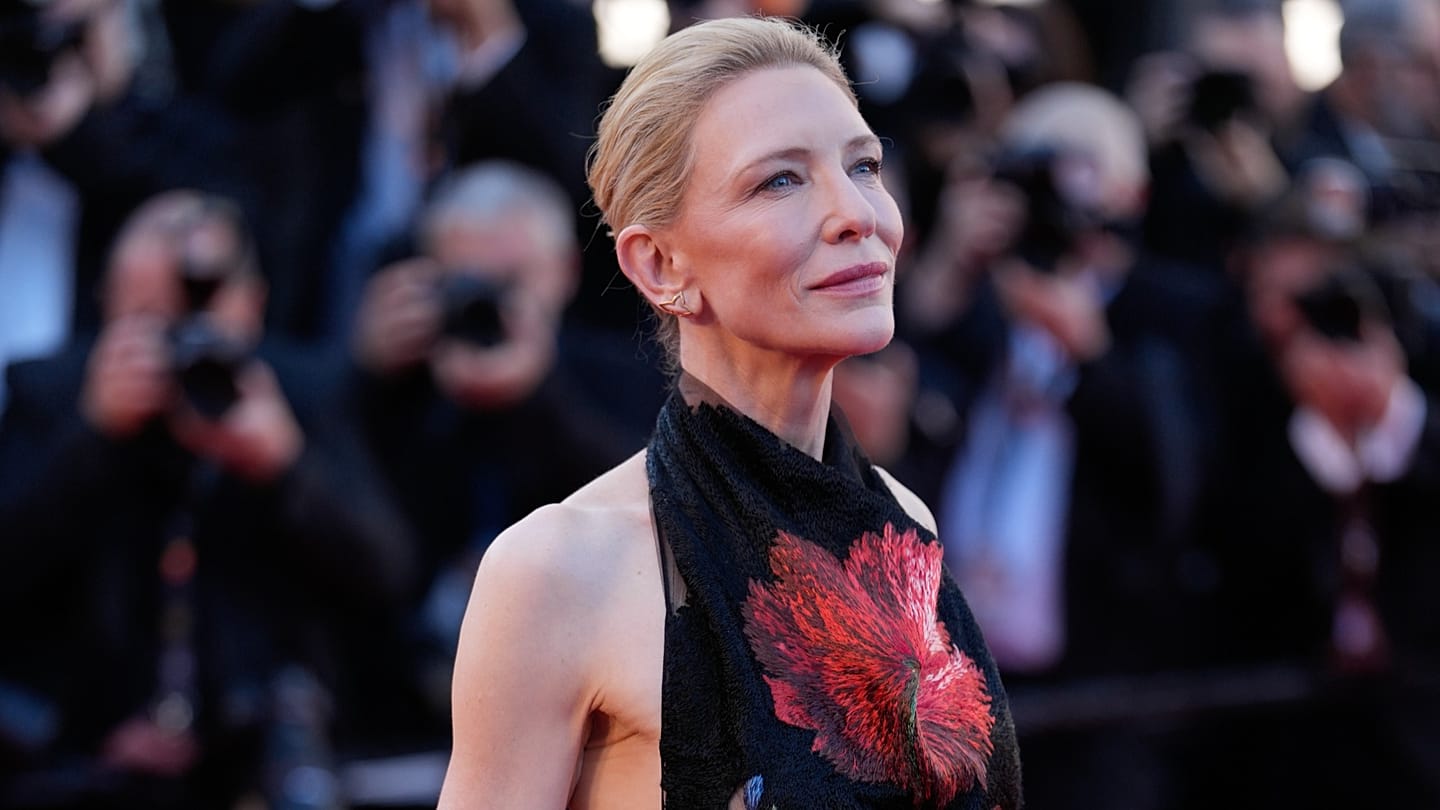
Actor Cate Blanchett appeared at the European Parliament in Brussels on Tuesday to unveil the Human Consent Registry, a free online platform designed to help individuals protect their image and voice from being exploited by artificial intelligence systems. The registry, developed in collaboration with digital rights organisations, allows users to formally register their identity and specify whether they consent to their likeness being used in AI training datasets or generated content.
Speaking to MEPs and tech policy experts, Blanchett emphasised the urgency of the initiative. “We are at a crossroads where technology is outpacing regulation,” she said. “This tool is not a silver bullet, but it gives people a simple, accessible way to assert their rights in an increasingly automated world.” The registry is open to anyone, regardless of nationality, and does not require legal representation or payment.
A European Stage for a Global Issue
The choice of the European Parliament as the launch venue underscores the EU’s growing role in shaping AI governance. The bloc’s AI Act, which entered into force in August 2024, includes provisions on transparency and consent for high-risk systems, but critics argue it does not go far enough to protect individual likenesses. Blanchett’s registry aims to fill that gap by creating a centralised, verifiable record of consent that AI developers can check before using someone’s image or voice.
The tool is particularly relevant for European citizens, who are already covered by the General Data Protection Regulation (GDPR). GDPR gives individuals the right to object to processing of their personal data, including biometric data, but enforcement remains uneven across member states. The registry provides a practical mechanism to exercise that right, especially for people who may not have the resources to pursue legal action.
Blanchett, who has been a vocal advocate for digital rights, noted that the problem is not limited to celebrities. “Deepfakes and unauthorised AI replicas affect everyone — from artists and journalists to ordinary people whose faces are scraped from social media,” she said. The registry allows users to upload a photo or voice sample and set preferences, which are then hashed and stored on a blockchain to prevent tampering.
Broader Implications for Europe’s AI Landscape
The launch comes as European policymakers grapple with the rapid spread of generative AI. In France, the government has proposed a national AI strategy that includes funding for ethical development, while Germany’s Bundestag is debating stricter rules on deepfakes ahead of the 2025 federal elections. The registry could serve as a model for other countries, though its effectiveness depends on adoption by tech companies.
Several major AI firms, including OpenAI and Google, have already faced lawsuits in the US and Europe over unauthorised use of personal data. The registry offers a way for companies to demonstrate compliance with consent requirements, potentially reducing legal risks. However, it remains voluntary, and enforcement will rely on public pressure and regulatory action.
Blanchett’s initiative also highlights the intersection of culture and technology. The actor, who won an Academy Award for her role in Blue Jasmine, has long been involved in human rights causes. Her decision to focus on AI reflects a growing concern among European creatives about the impact of automation on their livelihoods. In Italy, for example, the government recently introduced a tax credit for productions that use AI ethically, while in Sweden, the film industry is exploring collective bargaining agreements for digital replicas.
The Human Consent Registry is now live at humanconsentregistry.org. Blanchett urged the European Commission to consider integrating the registry into its broader digital identity framework, which is being developed as part of the EU’s Digital Decade policy. “Europe has the chance to lead on this,” she said. “Not just with laws, but with tools that empower people.”