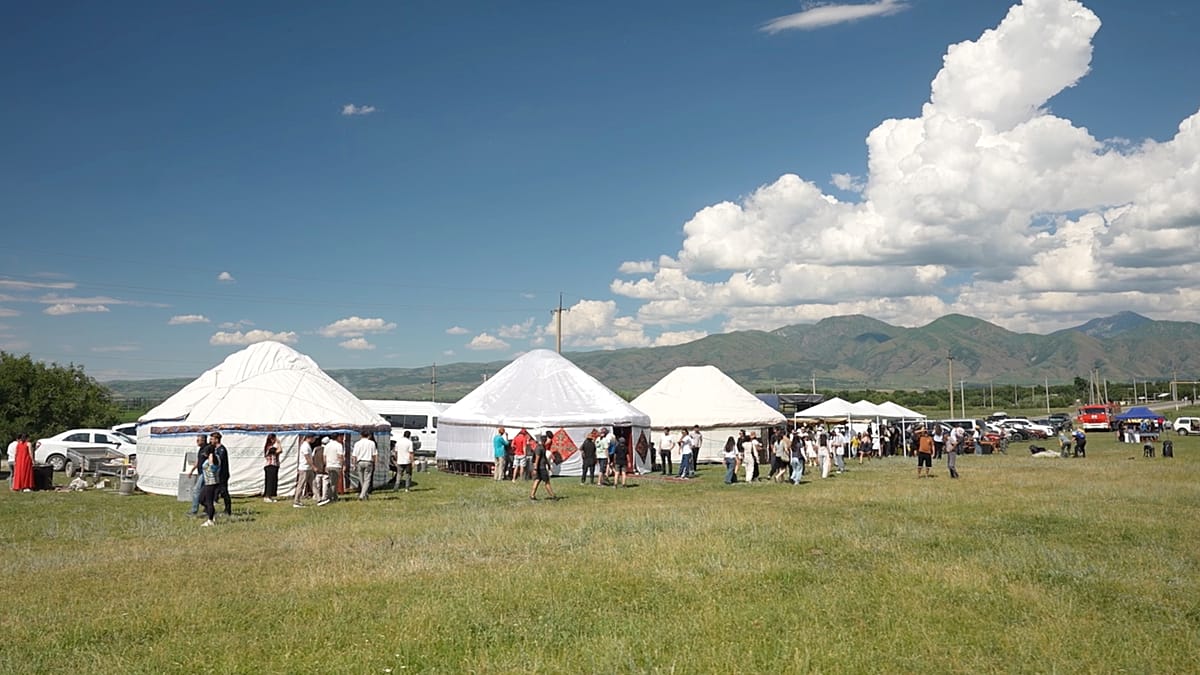
For the first time, Central Asia has welcomed a Paragliding World Cup, with Kazakhstan’s Zhetysu region serving as the backdrop for the competition. Around 150 pilots from 33 countries gathered in the area, known for its dramatic landscapes and reliable thermals, to compete in the international event.
The competition, which took place over several days, saw participants launch from the foothills of the Dzungarian Alatau mountain range, a region that has long attracted paragliders for its favourable flying conditions. Organisers said the event was a milestone for the sport in Central Asia, a region that has traditionally been underrepresented in global paragliding circuits.
A New Frontier for Adventure Sports
Kazakhstan has been investing in its tourism infrastructure, with adventure sports playing a growing role in its strategy. The Paragliding World Cup is part of a broader effort to position the country as a destination for outdoor enthusiasts, alongside its more established attractions such as the Altai Mountains and the Caspian Sea coast.
“This is a historic moment for paragliding in Central Asia,” said a spokesperson for the event. “The Zhetysu region offers some of the best flying conditions in the world, and we hope this competition will put it on the map for pilots globally.”
The event also drew attention to Kazakhstan’s broader ambitions in sports and technology. The country has recently announced plans to introduce AI in schools from 2026, reflecting a push to modernise its economy and education system.
International Participation and Local Impact
Pilots from across Europe, Asia, and the Americas took part, including competitors from France, Germany, Italy, and the United Kingdom. The presence of so many international athletes provided a boost to local businesses in the Zhetysu region, with hotels, restaurants, and transport services reporting increased demand.
The competition also served as a platform for cultural exchange. Many pilots said they were impressed by the hospitality of local communities and the natural beauty of the area. “I’ve flown in many places around the world, but this is something special,” said one participant from Slovenia. “The landscapes are stunning, and the conditions are perfect for paragliding.”
Kazakhstan’s efforts to develop its tourism sector have not gone unnoticed. The country has been strengthening ties with European nations, including a recent agreement with Cyprus to boost economic and diplomatic ties. Such partnerships are expected to further enhance the country’s profile as a travel destination.
Challenges and Opportunities
While the Paragliding World Cup was a success, organisers acknowledged the challenges of hosting such an event in a region with limited experience in international sports competitions. Logistics, safety protocols, and weather forecasting were all areas that required careful planning.
“We had to work closely with local authorities to ensure everything ran smoothly,” said an event organiser. “But the response from the pilots and the community has been overwhelmingly positive. We’re already looking at ways to make this an annual event.”
The event also highlighted the potential for adventure sports to drive economic development in rural areas. The Zhetysu region, which is primarily agricultural, could see a boost in tourism if the paragliding competition becomes a regular fixture on the international calendar.
For now, the pilots have returned to their home countries, but the memories of flying over Kazakhstan’s vast steppes and snow-capped peaks will linger. As one competitor put it, “This is just the beginning for paragliding in Central Asia.”