When Germans dream of island holidays, names like Sylt, Rügen or Usedom usually come to mind. Yet the country's smaller islands—scattered along the North Sea and Baltic coasts—offer something increasingly rare: genuine quiet, unspoiled nature and a pace of life that feels a world away from crowded resorts. For a short break, these hidden gems deliver exactly what many travellers now seek.
Baltic Sea hideaways: car-free and unhurried
In Mecklenburg-Western Pomerania, Hiddensee remains a favourite among those in the know. Stretching just 17 kilometres, this car-free island is best explored by bicycle, horse-drawn carriage or on foot. Its long sandy beaches, rolling dunes and the Dornbusch lighthouse in the north define a landscape that invites slow movement. Unlike its larger neighbours, Hiddensee has no traffic noise—only the sound of waves and wind.
Just west of Rügen lies Ummanz, connected by a bridge and therefore easy to reach for a day trip or longer stay. Its flat meadows, salt marshes and tiny villages make it a paradise for nature lovers and photographers. In autumn, thousands of cranes pause here on their migration—a spectacular natural event that draws birdwatchers from across Europe.
Further south, Poel sits between Wismar and Rügen, often overlooked but rewarding. Wide beaches, small villages and a relaxed atmosphere define the island. Cycling along the coast, walking the cliffs and visiting the historic lighthouse in Timmendorf are popular activities. Poel offers the classic Baltic experience without the crowds of larger resorts.
For those seeking something even more pristine, Vilm—off Rügen's coast—is one of Germany's most strictly protected islands. Only a limited number of visitors are allowed ashore each day, and access is possible only on guided tours. The island's ancient beech forest and untouched nature make it a living laboratory for conservationists and a rare chance to experience wilderness.
Wadden Sea wonders: mudflats, lighthouses and silence
In the North Sea, Neuwerk belongs politically to Hamburg but lies about 100 kilometres away in the Wadden Sea, part of the Hamburg Wadden Sea National Park. At low tide, visitors can walk or ride a horse-drawn wagon across the mudflats to reach the island. Its 14th-century lighthouse is a landmark, and overnight stays offer near-total silence and a spectacular starry sky—an experience increasingly hard to find in Europe.
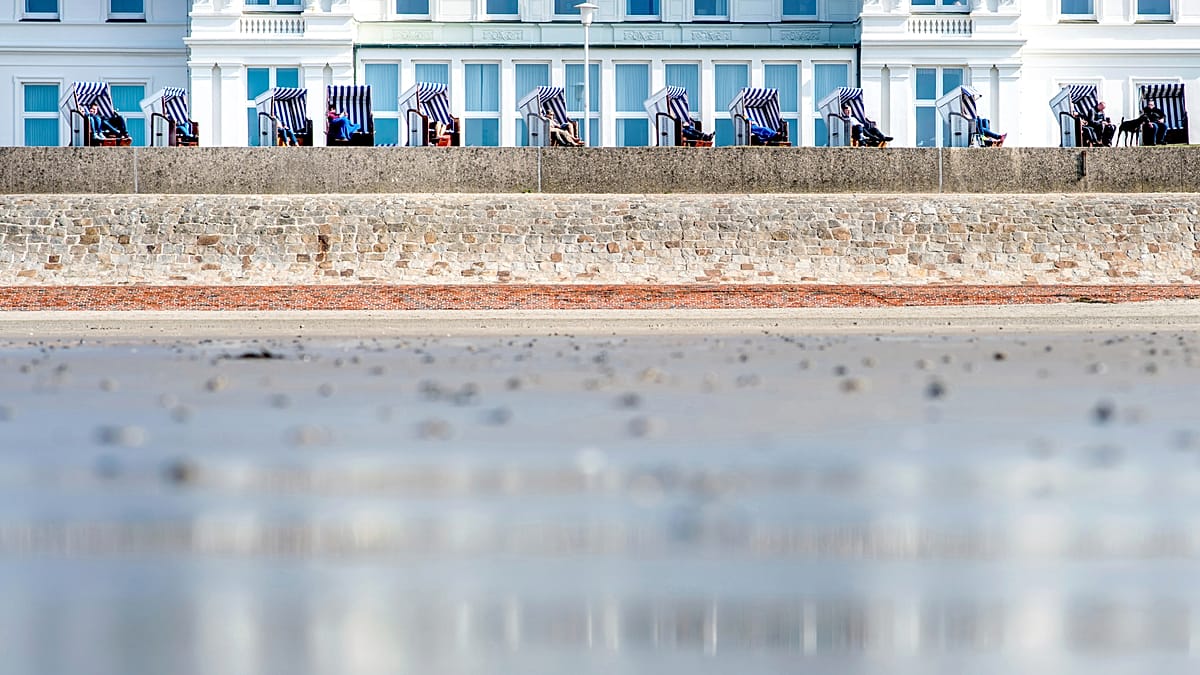
The East Frisian islands are a cluster of car-free retreats, each with its own character. Baltrum, the smallest inhabited island, is often called the “Sleeping Beauty of the North Sea.” With an area of less than seven square kilometres, it can be explored entirely on foot. No cars—only bicycles, horse-drawn carts and the rhythm of the tide. Mudflat walks and long beach strolls are the main attractions.
Langeoog is better known but still far quieter than the big North Sea hotspots. Its endless sandy beaches, dunes and rich birdlife make it ideal for a spring or autumn visit when crowds thin and the sea air feels especially invigorating. Spiekeroog is among the quietest of the islands, with unspoiled dunes, old lime-tree avenues and a kilometre-long beach. It deliberately avoids large holiday complexes, focusing instead on nature and relaxation.
Wangerooge, the easternmost inhabited island, is perfect for a long weekend. Car-free, it offers protected areas where seabirds and seals can be observed. A particular highlight is the island railway that runs from the harbour to the village—a charming, old-fashioned way to arrive. Juist, at 17 kilometres long but only a few kilometres wide, uses horse-drawn carriages instead of cars. Its wide sandbank and endless horizons make it a favourite among nature lovers.
Finally, Arngast is no longer a classic holiday island but a fascinating destination for excursions. Located in the Jade Bay near Wilhelmshaven, it is best known for the Arngast lighthouse standing in the middle of the Wadden Sea. At low tide, visitors can walk out to it—a reminder of the region's maritime history and the power of the sea.
These islands are not just places to relax; they are models of sustainable tourism. Car-free zones, protected nature reserves and a focus on slow travel align with broader European efforts to reduce overtourism and preserve fragile coastal ecosystems. As Greece opens its Aegean islands to new visitors, Germany's small islands offer a contrasting vision—one where less is more.
For those planning a short escape, these destinations prove that you don't need to travel far to find solitude. Whether it's the mudflats of Neuwerk, the cranes of Ummanz or the dunes of Baltrum, Germany's small islands deliver a deep sense of place and a chance to disconnect. And with Europe's best islands for scenic road trips gaining attention, these quieter alternatives are worth considering.
As Europe grapples with climate change and the need for greener travel, these islands also highlight the importance of protecting natural habitats. The rise in renewable curtailment in Germany shows the challenges of integrating clean energy, but on these islands, the energy is human—pedalling, walking and simply being present.