The Spanish enclave of Ceuta is facing an unprecedented migration crisis after an estimated 60,000 people crossed illegally from Morocco in a single day, according to Spain's Interior Ministry. By Friday afternoon, around 25,000 of them had already been returned to Morocco under a bilateral agreement, but the sheer scale of the influx has stretched local resources to breaking point.
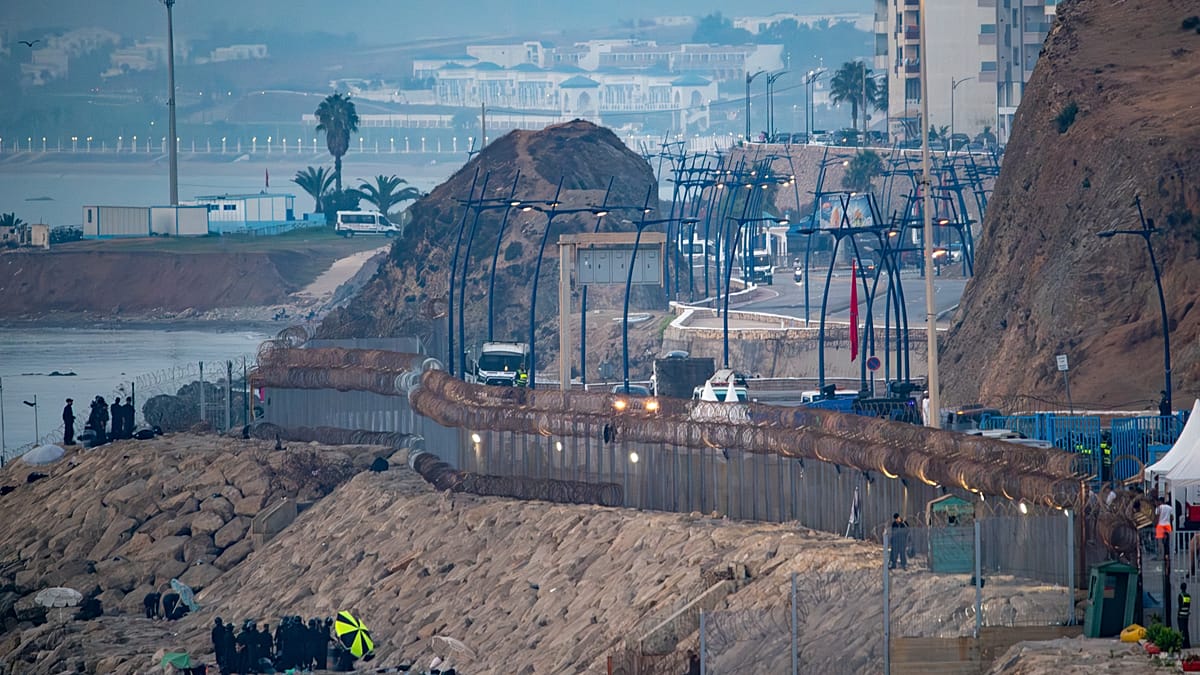
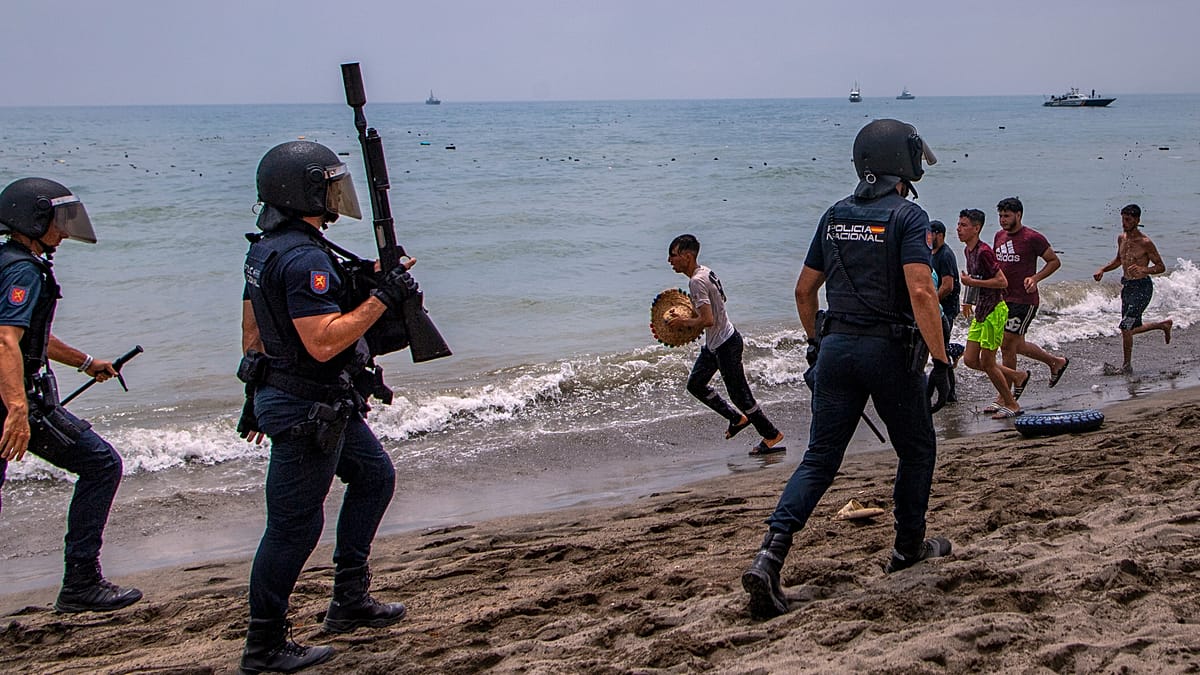
Ceuta, a small autonomous city of fewer than 83,000 residents on the North African coast, has become the focal point of a sudden surge that began in the early hours of Friday. Local authorities reported that at least 34 people died while attempting to swim around the Tarajal breakwater, a dangerous stretch of coastline near the main border crossing. The deaths underscore the risks migrants face, even as Spanish officials urge them not to attempt the journey.
The mass arrival is not an isolated event. In the days before the surge, between 1,500 and 2,000 migrants had already reached Ceuta, adding to the pressure on reception facilities and humanitarian groups. The latest wave, however, dwarfs anything seen before, prompting comparisons to the 2015 refugee crisis and raising questions about the EU's ability to manage its external borders.
Madrid's response
In response to the crisis, the Spanish government has deployed the army to reinforce security in Ceuta. Prime Minister Pedro Sánchez travelled to the enclave on Friday, accompanied by Interior Minister Fernando Grande-Marlaska, to assess the situation firsthand. Speaking from Ceuta, Sánchez described the mass crossings as "a violation of Spain's territorial integrity" and said they "deserve our strongest condemnation."
Defence Minister Margarita Robles also addressed the migrants directly, warning them not to be deceived by trafficking networks. "Do not be deceived by the trafficking networks," she said. "The outcome will be return, in accordance with Spanish law." Her comments reflect a firm stance from Madrid, which has insisted that all irregular entries will be processed and returned.
Overnight, clashes broke out between Moroccan police and hundreds of people who continued to attempt the crossing. Migrants were still swimming around the Tarajal breakwater on Friday, despite the heightened security presence. The situation remains fluid, with Spanish authorities working to process the thousands of people still in Ceuta.
A test for EU solidarity
The crisis has also reignited debate across Europe about migration policy. Right-wing parties in several member states have seized on the events to criticise Spain's approach, arguing that the EU's external borders are not being adequately protected. The political fallout is likely to complicate efforts to reach a common EU asylum policy.
Spain and Morocco have agreed to accelerate the return of migrants, but the long-term solution remains unclear. The two countries have a complex relationship, with migration often used as a lever in diplomatic disputes. The urgent return agreement is a stopgap measure, not a sustainable strategy.
European Commission President Ursula von der Leyen has expressed solidarity with Spain, but concrete EU action has been limited. The bloc's border agency, Frontex, has offered assistance, but the immediate burden falls on Spanish authorities. As analysts note, this may be the EU's largest single irregular border crossing, highlighting the need for a coordinated European response.
For now, Ceuta remains on the front line. The city's residents have shown both solidarity and frustration, with some volunteering to help migrants while others demand stronger border controls. The coming days will test whether Spain and the EU can manage a crisis that shows no signs of abating.